
Projects
See workshop results from Gauteng to the coast. These real-world projects show what happens when your drawings and materials meet the right spindle, saw, or CNC workflow.
ACM letter nests for a Sandton retail refresh.
View →
Edge profiles and panel nests for a contract furniture line.
View →
Foam-core and acrylic overnight for a Durban expo stand.
View →
5083 plate brackets that bolted first try.
View →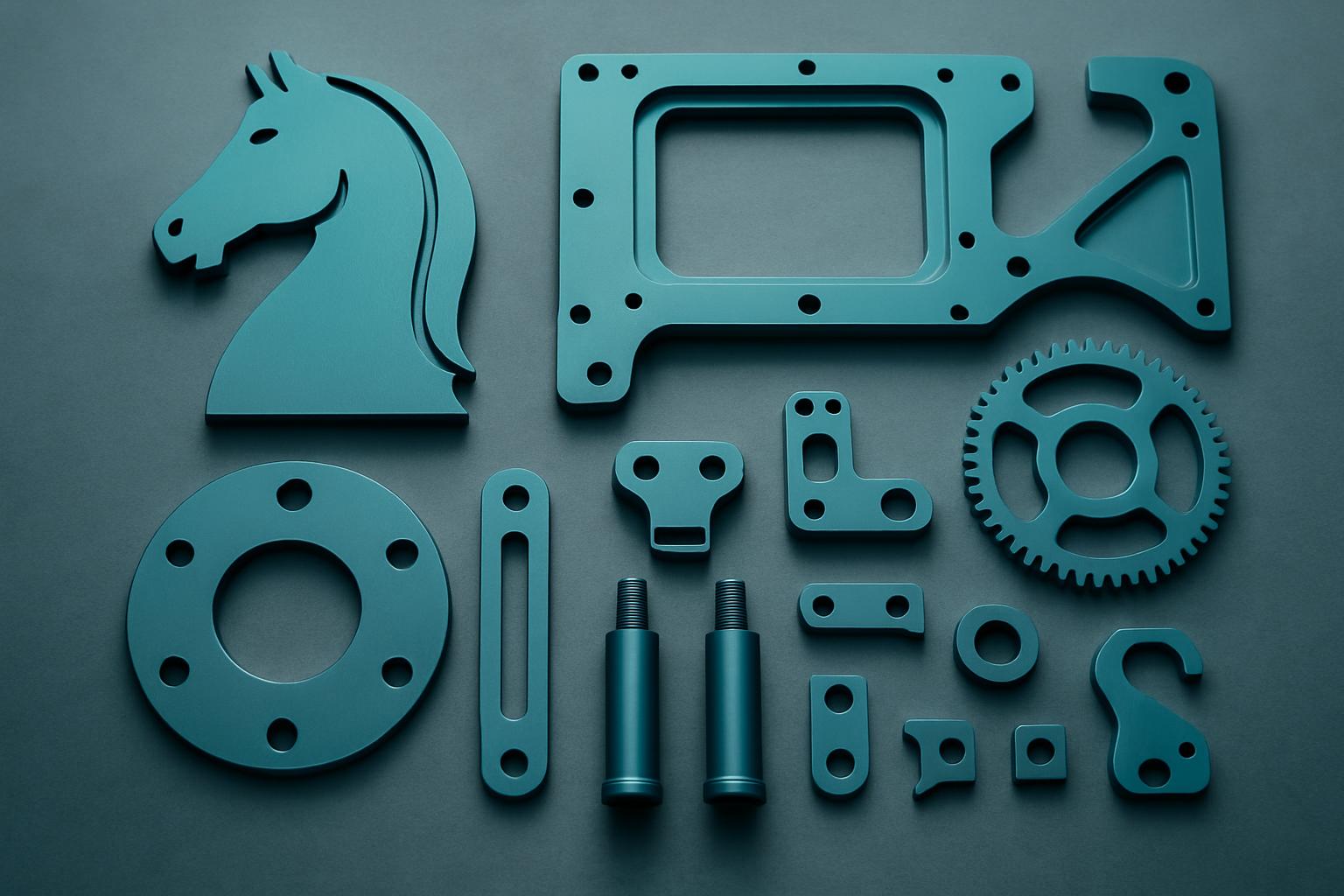
Fixture parts and acrylic for a waterfront fitout.
View →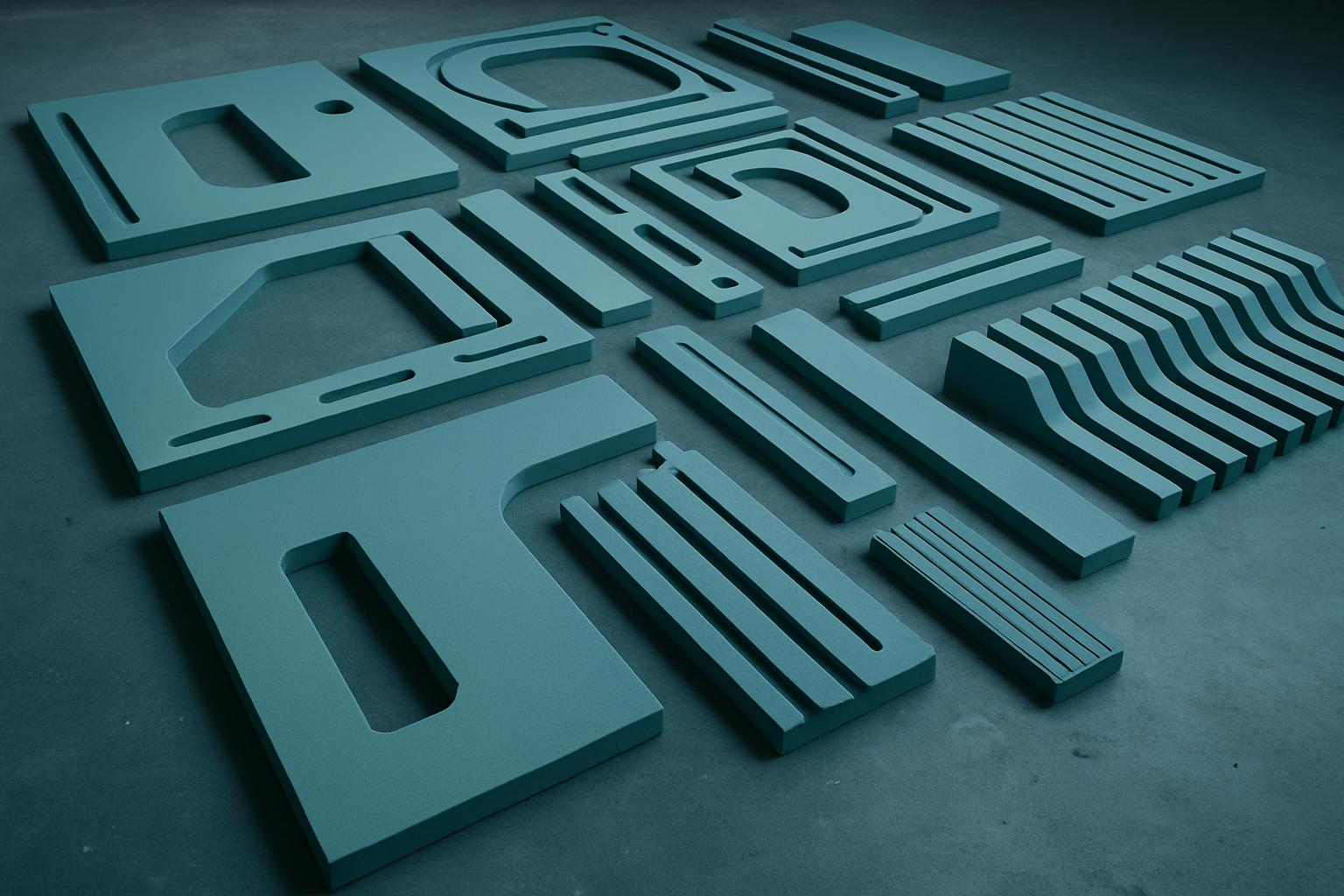
Multi-thickness nests with tidy remnant racks.
View →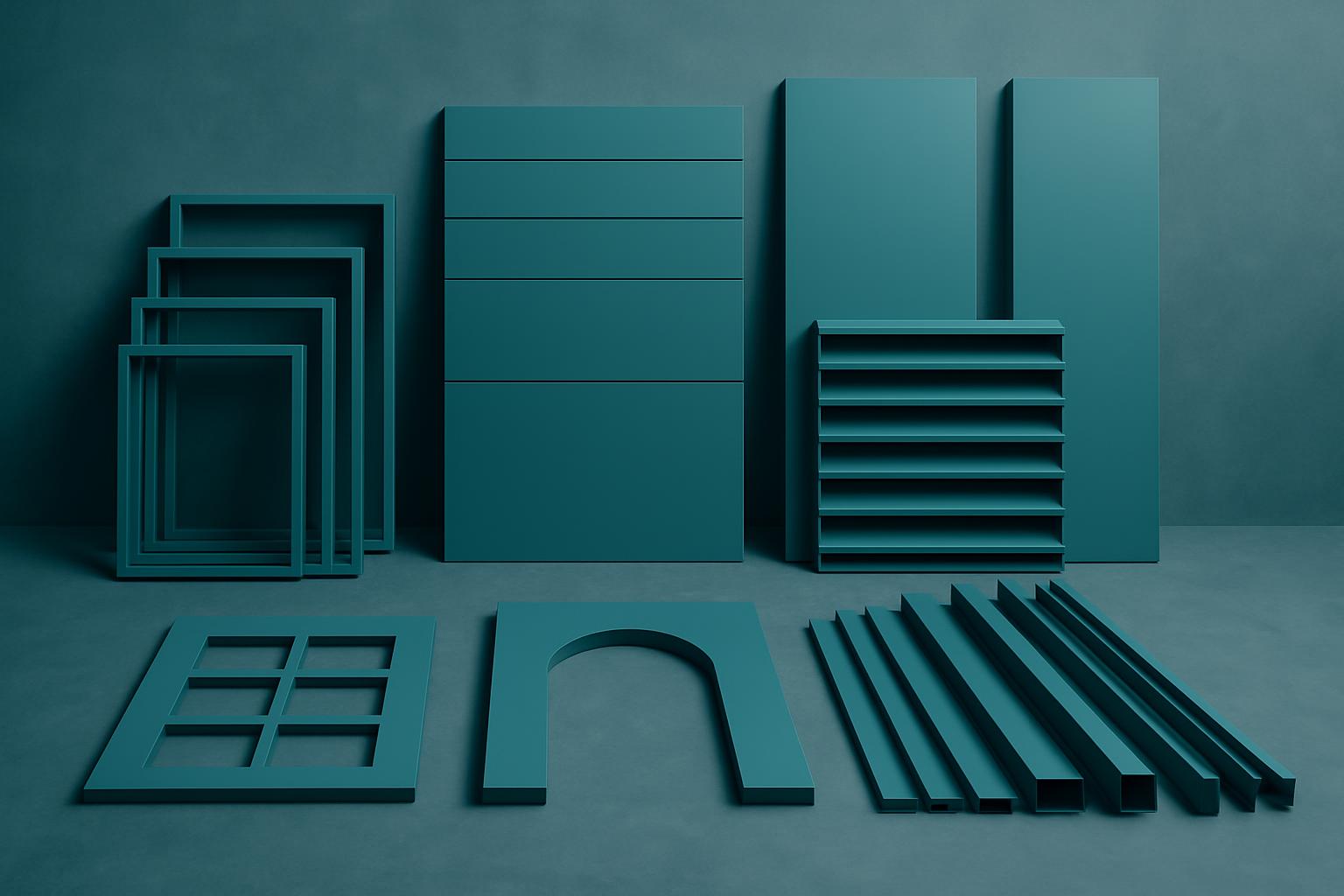
Clear acrylic screens with soft hold-down.
View →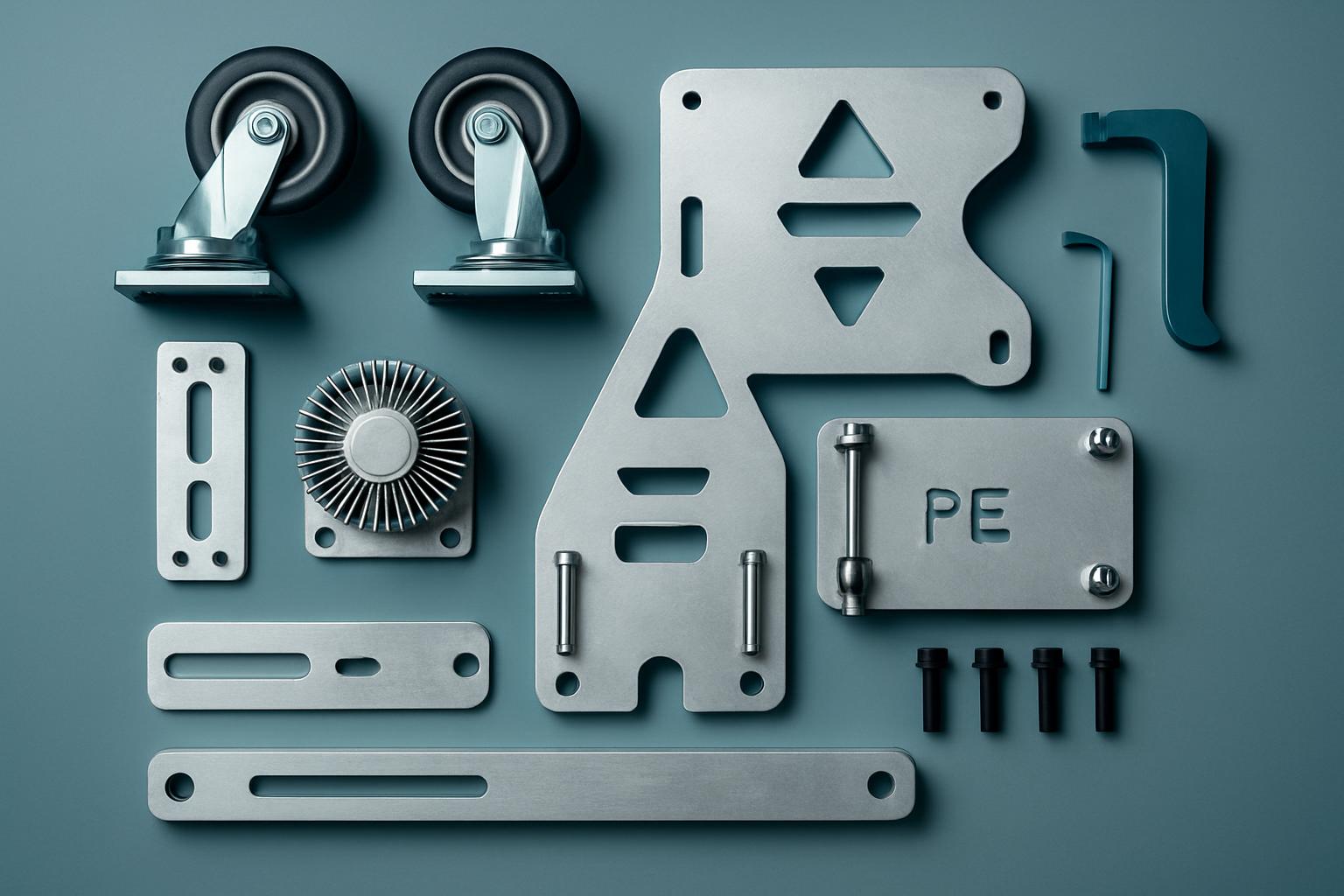
Sheet templates for a duct fabrication shop.
View →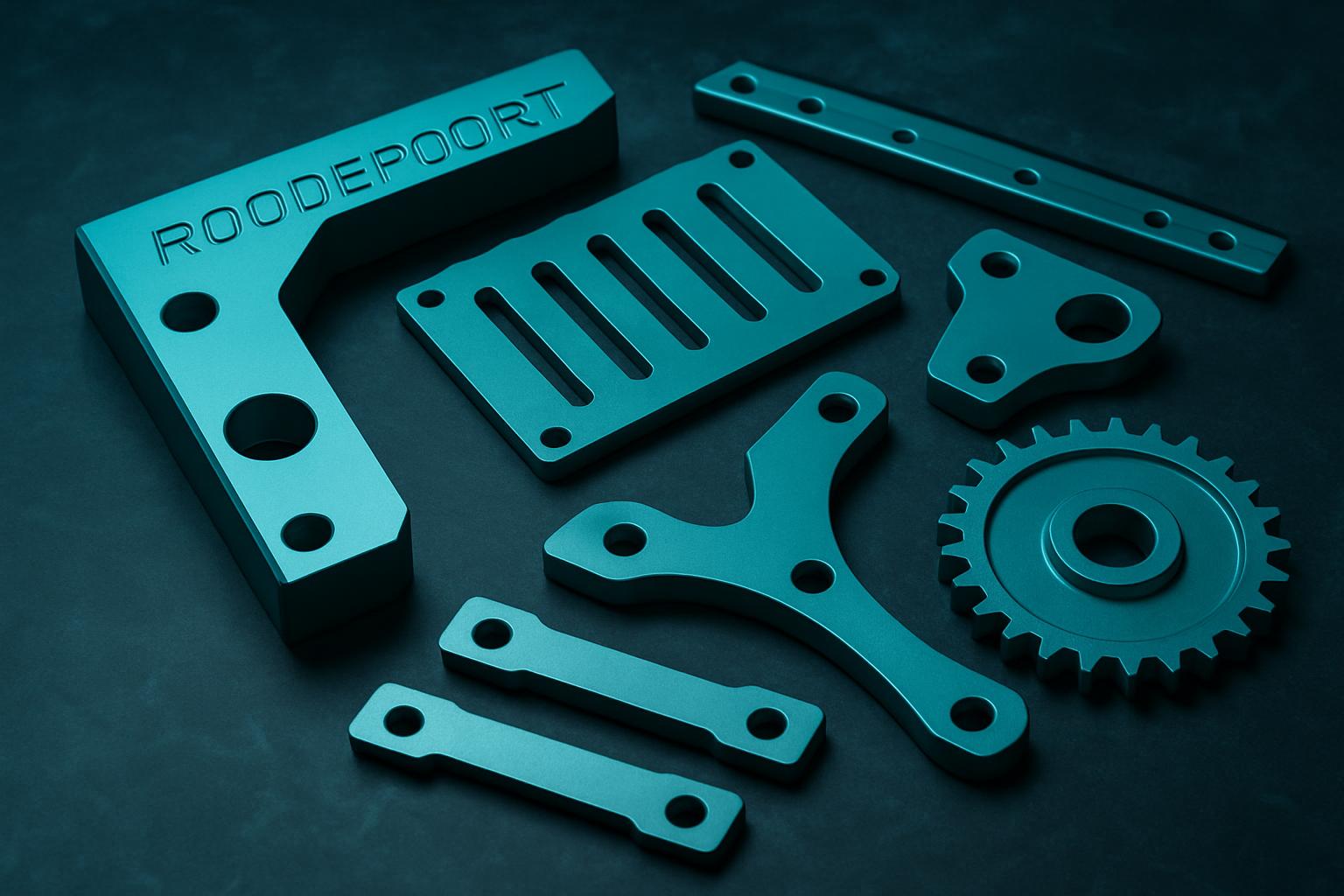
ACM façade panels nested without peel drama.
View →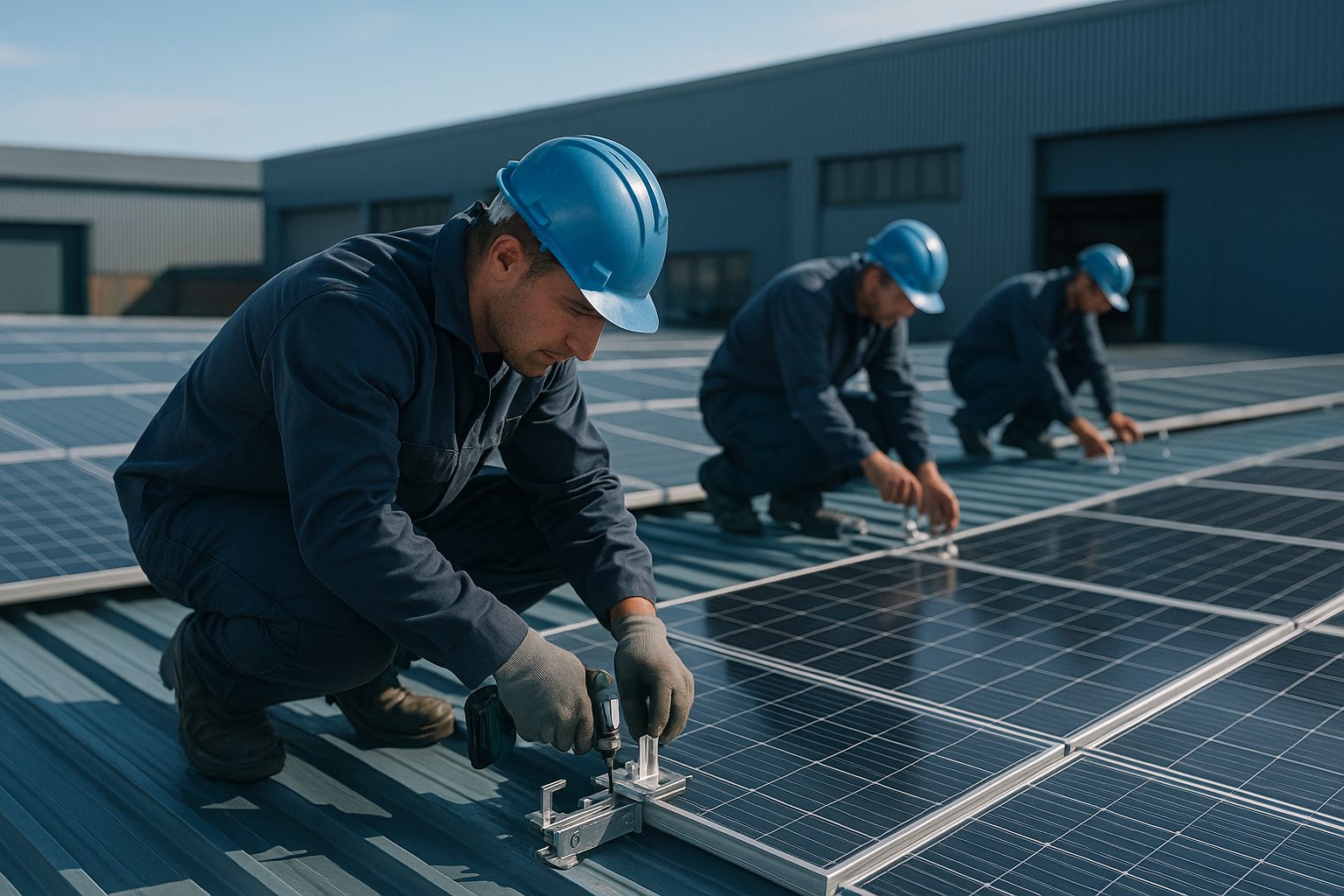
Plate parts for a solar mounting pilot.
View →
Workshop Compact install for a TVET centre.
View →
Foam scenic packs for a Free State festival.
View →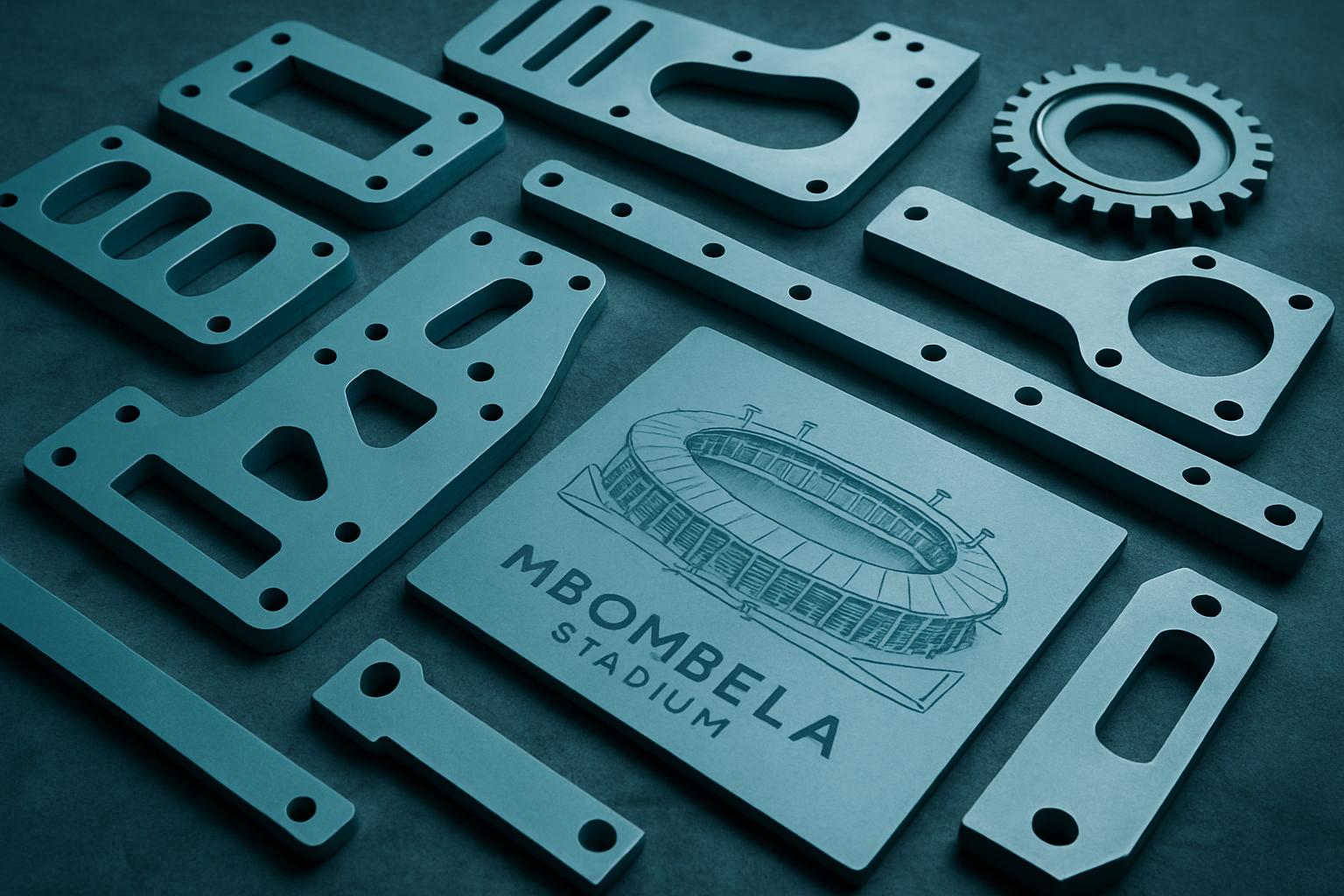
Timber and acrylic interiors for a Lowveld lodge.
View →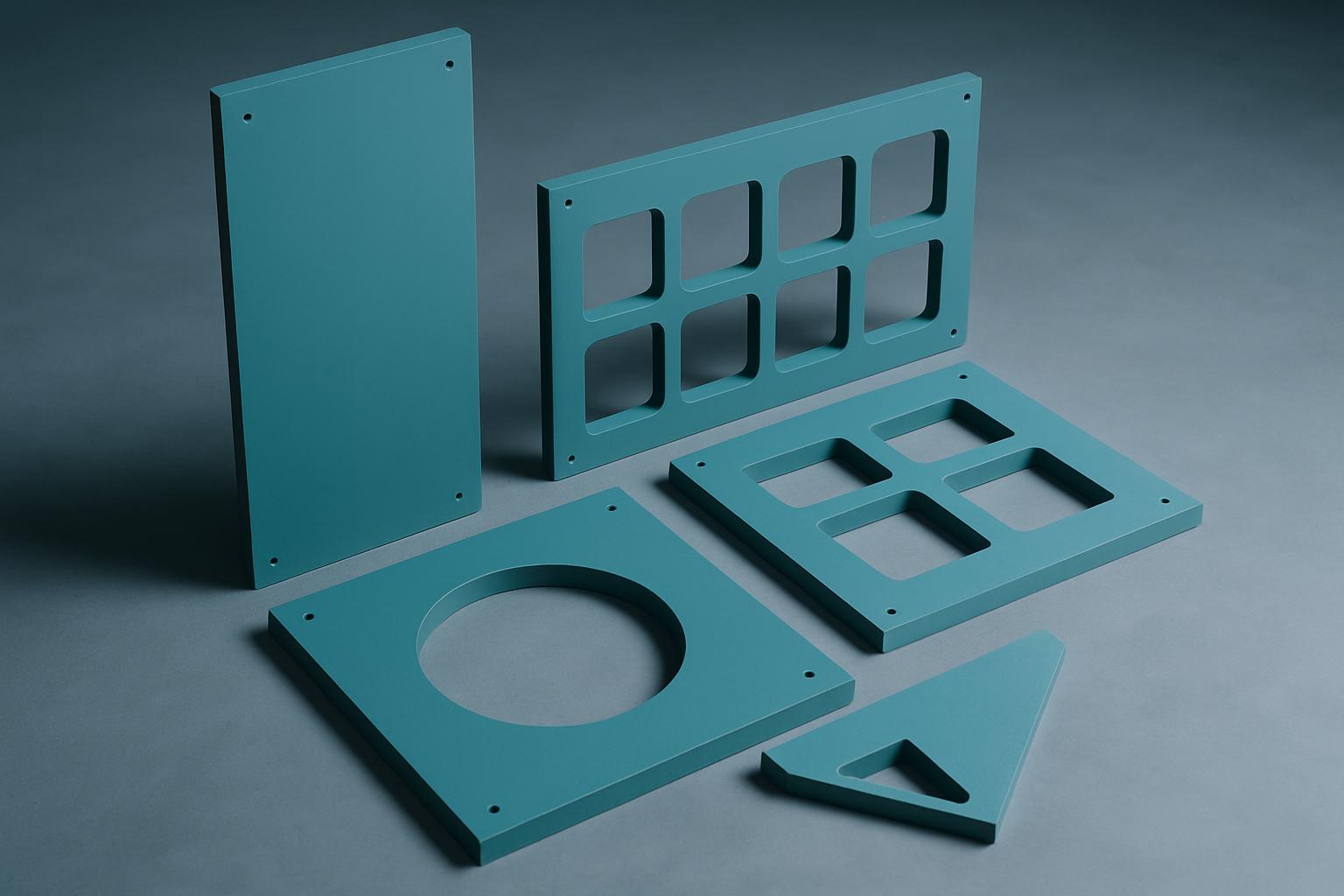
Foam and board prototypes for packaging trials.
View →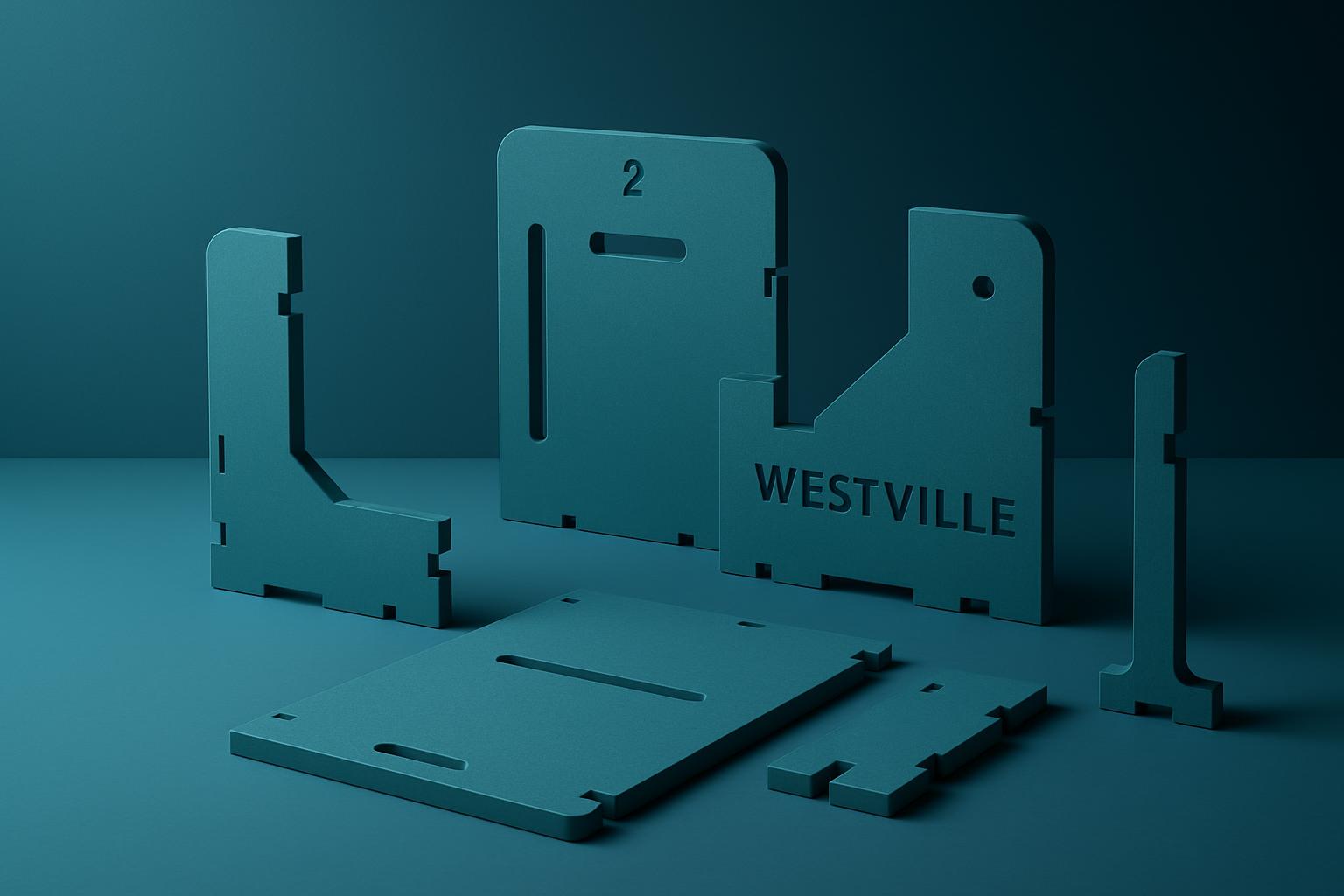
Composite panel nests for a cabin refresh.
View →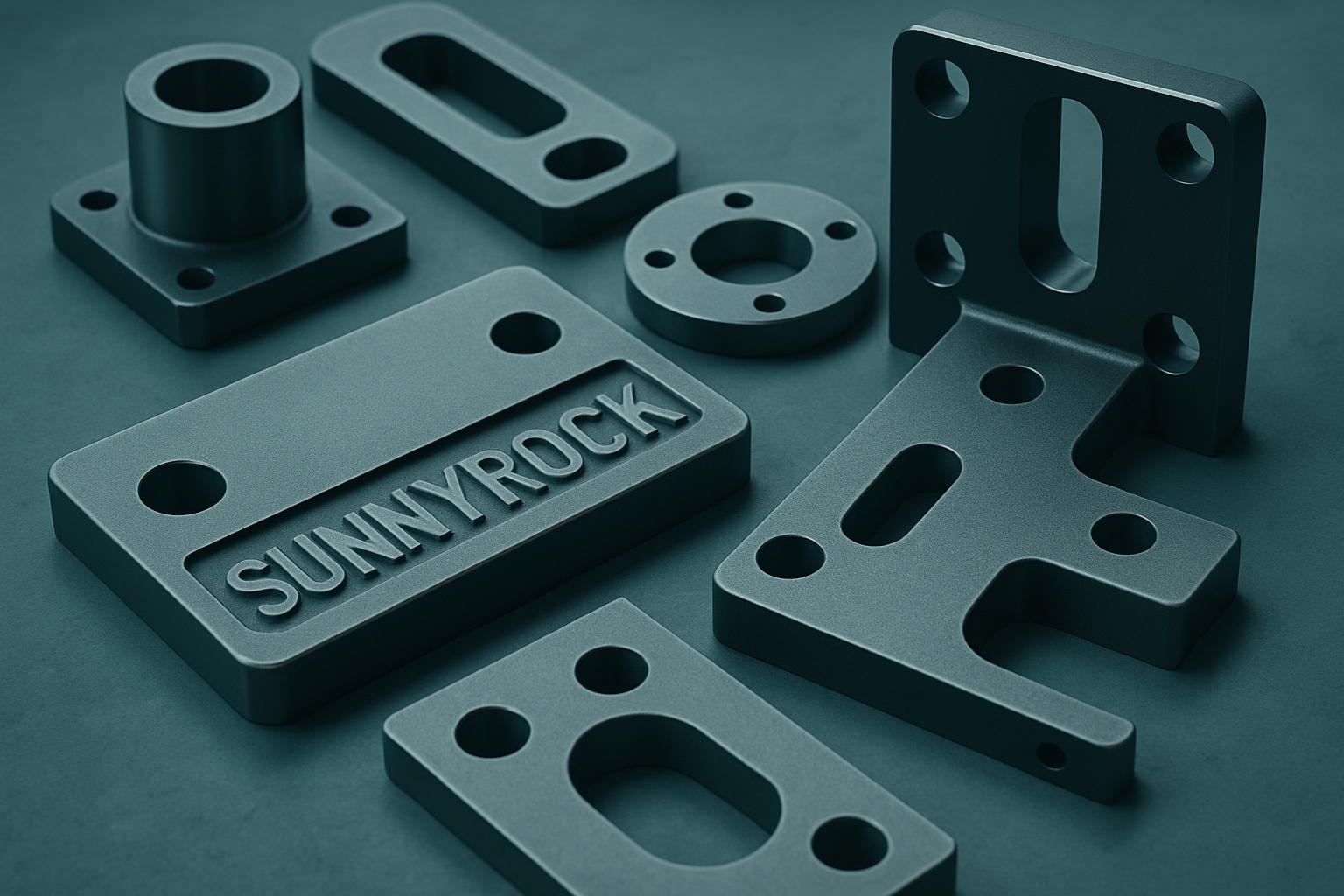
Live nests and KerfCheck demos at HQ.
View →Here you’ll find a selection of real project briefs handled by the Cut2Shape team, covering sectors such as retail, contract furniture, exhibition builds, fitouts, and education. Each case details the material, process, and application as specified by South African clients. You’ll see jobs like Sandton retail letters cut from ACM, Pretoria UAV brackets in marine-grade aluminium, and foam scenic packs delivered to Bloemfontein. These examples show how a clear brief, effective nesting, and the right profiling method make a real difference for downstream assembly and finished quality.
This collection is widely used by three main groups. First, industrial buyers and workshop managers compare cases here to confirm if Cut2Shape suits their next contract or internal job. Second, designers and engineers reference these briefs to see if their own specs and tolerances are realistic. Third, architects, TVET trainers, and exhibition builders use these projects to check real-life solutions for tight deadlines, coastal humidity, or tricky site access.
If you’re preparing a new brief, start with a project that matches your own site or requirements. For example, if you want foam packaging prototypes, Fourways packaging dies shows what can be turned around quickly with foam and board. For welded HVAC ducts, Gqeberha HVAC templates details how clean templates can speed up workshop layout. Workshop buyers from Cape Town, Durban, and inland towns use these examples to talk directly with our operators and get a sense of possible approaches.
Start by matching a project’s material, end-use, and size range to your needs. If you require high-visibility exterior finishes, look at Roodepoort façade pack for ACM panels without protective film hassles. Needing clear acrylic without scratches for high-traffic sites? Umhlanga PPE screens shows how soft hold-downs are used for a clean edge straight off the machine. For composite cabin refits or custom marine work, Westville marine cabin demonstrates how panel nesting and tight scheduling work for coastal operators.
It’s easy to pick a project that looks similar at a glance, but flat photos can hide key differences in thickness, finish, or fixture type. Always confirm the specific process and material used, as slight changes (say, from 5083 to 5052 plate, or 3mm to 6mm acrylic) will change how the job is cut and nested. Double-check the downstream needs, does the example show a part arriving ready for powder coating, or does it need hand deburring? If you’re planning for large or repeated batches, confirm whether the example used multi-sheet nesting or batch runs per day.
If a detail isn’t clear, send a message through our contact form with the project name and your application. The team can clarify cut types, finish, or how the handoff was managed for that case.
A common mistake is assuming all cut parts come pre-finished, or that every example here used the same finish or delivery. For instance, the Midrand kitchen carcasses case shows tidy nesting and remnant racks, but not every job allows offcut recovery. It’s also easy to misread scale, something shown for a TVET installation like Bellville TVET bay may not suit a compact home shop or batch prototype run.
Another mistake is overlooking how site conditions, such as Eskom outages, weather, or tricky site access, affect the outcome or delivery time. Projects from Mbombela, Durban, or Paarden Eiland all have their own challenges, so what works for a coastal fitout may need adjusting for Highveld jobs. If you’re unsure, review the project notes or contact the team to discuss which example fits your requirements.
Each project page offers a close look at techniques, nesting choices, and how specs were communicated with the Cut2Shape operators. Use these details to sharpen your own RFQ or clarify your in-shop expectations. For more context, combine a relevant project with the Finishes or Machines sections to see which workflows fit your job. If you want to see material handling, shop layout, or in-person fit, the Sunnyrock open day recap shows live demo sessions and typical shop-floor handoff.
For further resources and tips on sending drawings, prepping files, or choosing the right panel format, browse the Resources page. If your job has unique requirements, or you want to check what’s possible with your own timing or supply chain, just send a message through our contact form.
