Westville
For Westville’s marine cabin refit, our team supplied ready-to-install composite panel nests tailored for tight handoff and real-world constraints. See what it takes to get from drawing to practical delivery.
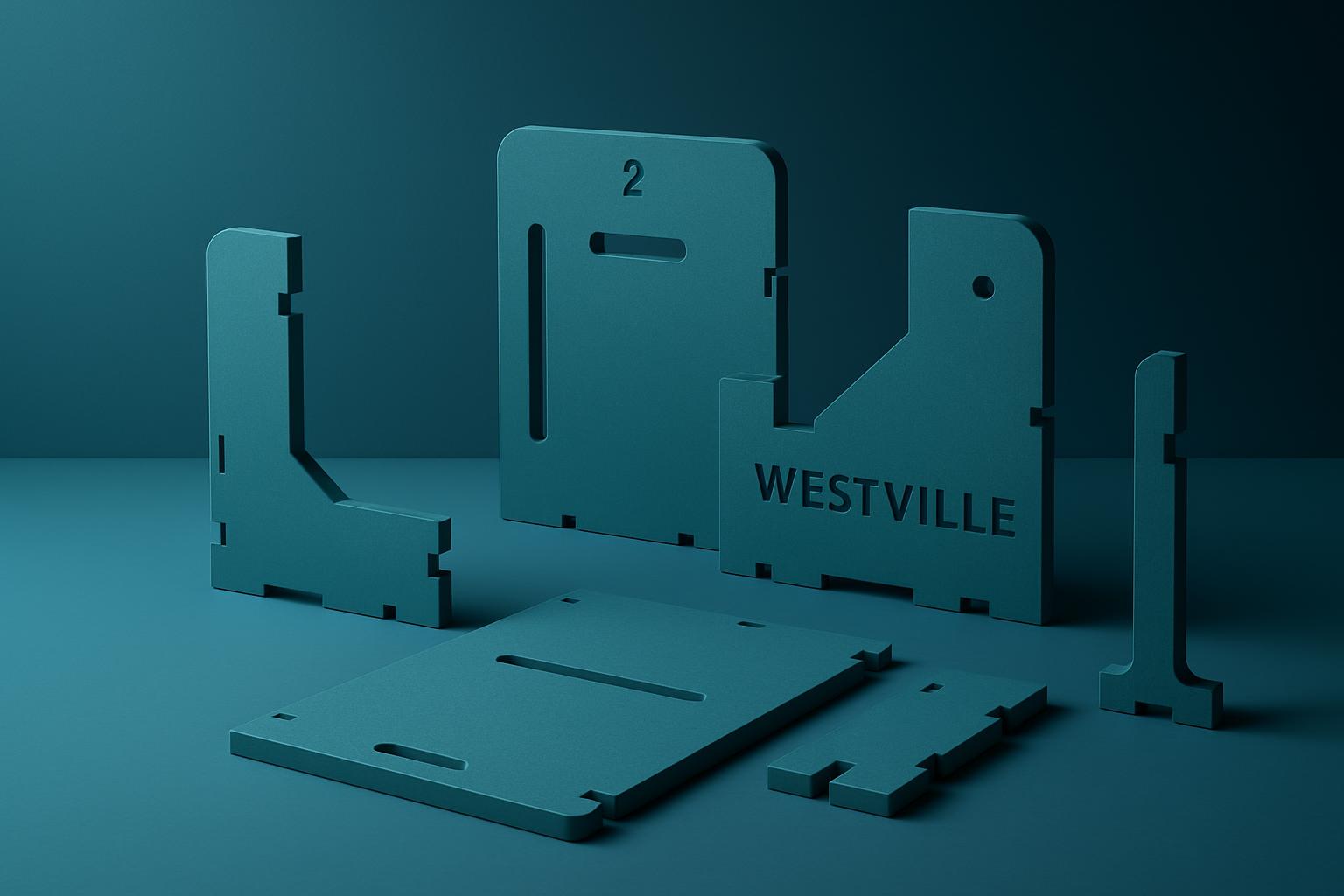
Before sending any cabin panels to site, our team always runs a dry-fit check on the cutting floor. For the Westville job, we laid out the main bulkhead and hatch panels in sequence, checking every cut-out for cable runs and hardware fit. One mistake we often catch at this stage is a missed rebate or a slot that needs a few extra millimetres for a wiring loom. This extra check means installers do not have to trim panels on site, especially when working in coastal humidity where material can swell. Our advice: always confirm that the largest panel fits through every site access point before cutting, and double-check any details that could throw out the sequence. It is a simple step that keeps the install team moving and prevents costly rework.
Machines · Industries · Blog.
Marine cabin refits tend to look straightforward until you get past the drawings. On this Westville project, the client needed precise, ready-to-install composite panel nests for a full cabin refresh. However, once we mapped out site access, timing, and the crew rotation, the real constraints emerged. Supply had to match a fixed load-in slot, and each crate or bundle needed clear labelling for efficient handoff. We made sure the plan worked on the floor, not just in a spreadsheet, so the client avoided extra labour and lost time. This is typical for end-use projects in Mbombela, Durban, and coastal marinas where on-site windows are tight and humidity levels can shift panel handling.
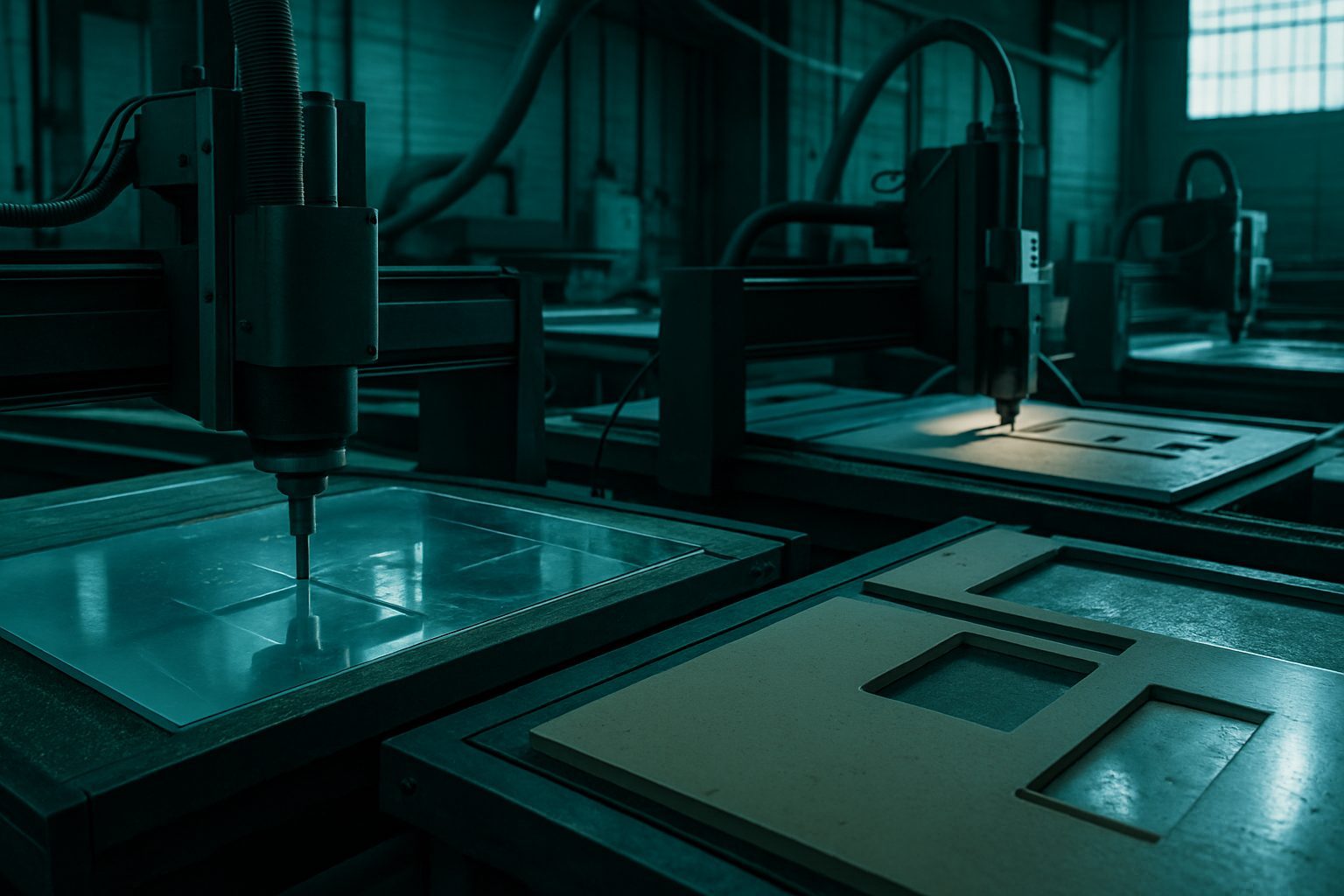
If your project needs ready-to-fit, profiled panels with minimal on-site cleanup, this approach works especially well. It suits workshops prepping marine cabins, contractor teams swapping parts in high-turnaround sites, and operators who value a labelled crate and a tidy bill of parts. If you need a handful of rough blanks for prototyping or plan to hand-fettle every edge, you’re better off with a small local joiner or DIY bench setup. Our nesting and profiling is aimed at teams who want to skip repetitive clean-up and focus on assembly or fitout. We’ve also seen similar setups in Mbombela lodge interiors and Midrand kitchen carcasses, where jobs are measured by finished fit, not hours at the bench.
Every marine or transport fitout faces its own mix of challenges: tight loading zones, shared power points, unpredictable access, and weather that can stall work if you do not plan ahead. We tackle these from the start. On the Westville cabin project, we locked in a clear handoff slot, so profiles only left Sunnyrock once the site crew confirmed they were ready. Each crate was mapped to the install sequence, every part labelled for correct assembly. When clients send through actual photos of access points and a solid schedule, we can organise a handoff that keeps parts dry and ready, not sitting out in the rain. We have seen the same lessons in Gauteng parks and Worcester marinas: planning with real site details, not best guesses, saves headaches later.
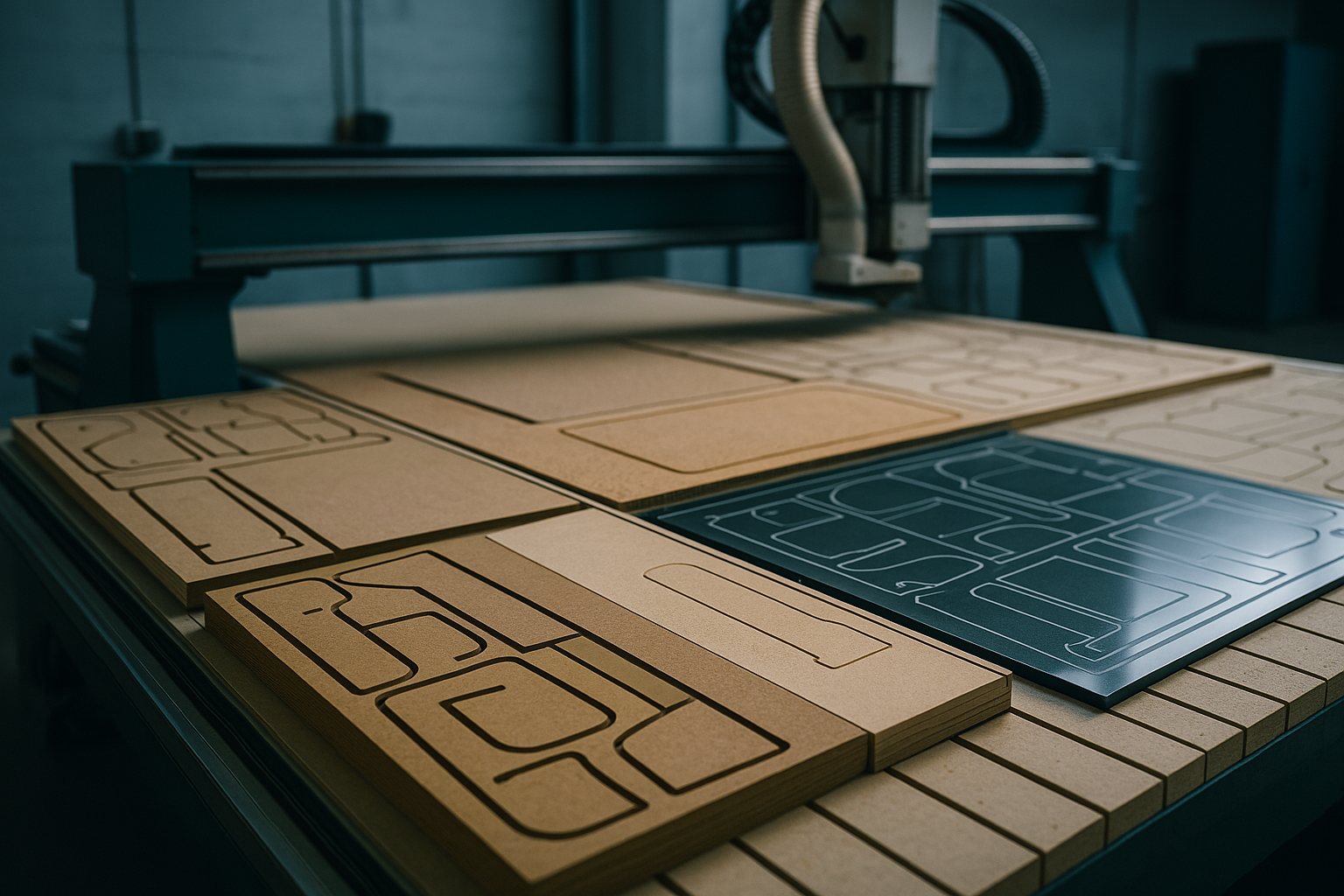
For the Westville project, the owner sent us a batch of PDF drawings plus photos showing the site access ramp. We drafted a nesting plan, checked all overall sizes and aperture dimensions, and put together a labelled breakdown for approval. Once materials arrived, our operator cut, checked, and dry-fitted each panel before packing. On site fit day, the crates arrived in the right order, so the fitout team could get to work straight away. This takes pressure off both the site manager and our cutting floor, no last-minute sanding or extra runs during outages. The method comes from years of projects across industries, shaped by fitters who want less time spent on rework and more on actual assembly.
Before you contact us for a marine or cabin panel order, gathering a few key details upfront will save time and cut down on revision cycles. Here’s what makes the process faster and reduces risk of error:
The biggest risk is ignoring constraints until it is too late. We have seen jobs delayed by a crate that would not fit through a door, or by an outage halting a planned install. Some teams try to fix these on site, but that usually means extra labour or repeated trips. Others skip key technical details, then face delays when profiles do not fit real site conditions. Our approach is to ask straightforward questions early, so parts arrive ready for fitment, not just as drawn. For more examples, see other completed work or get in touch if you need a sequence planned for your site in Pretoria, Durban, or anywhere else.
Verified Google reviews