Cape Town
Fixture parts, acrylics, and crate labelling for a Paarden Eiland waterfront fitout. Shopfitters and makers get practical notes on project sequencing.
On the shop floor, we always run a crate content check before any Paarden Eiland retail job leaves Germiston. Every labelled bundle is opened and the contents inspected against the pick list, making sure no small bracket, trim, or acrylic insert is missing before sealing up. This routine catches errors that can happen if parts get mixed up between jobs or if an operator misses a detail on a busy day.
One common mistake is assuming all panels are present just by crate weight or count. We now open each pack, check the parts by shape and label, and photograph the layout before anything leaves our floor. This extra check means that when the delivery lands at a Cape Town site, there is no wasted time hunting for missing pieces in a shared goods lift or waiting for a follow-up courier run. It is a small step, but it prevents bigger headaches on site.
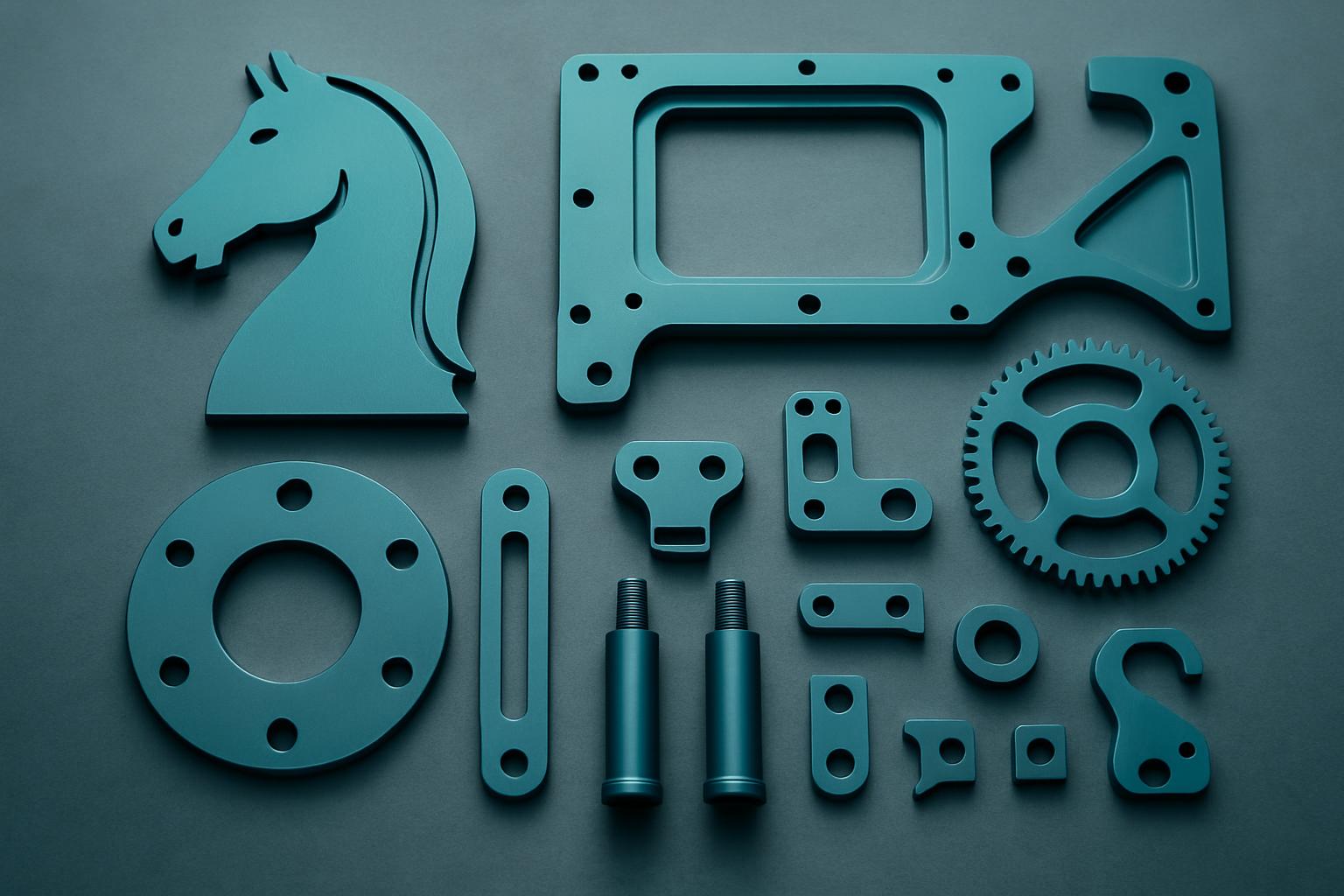
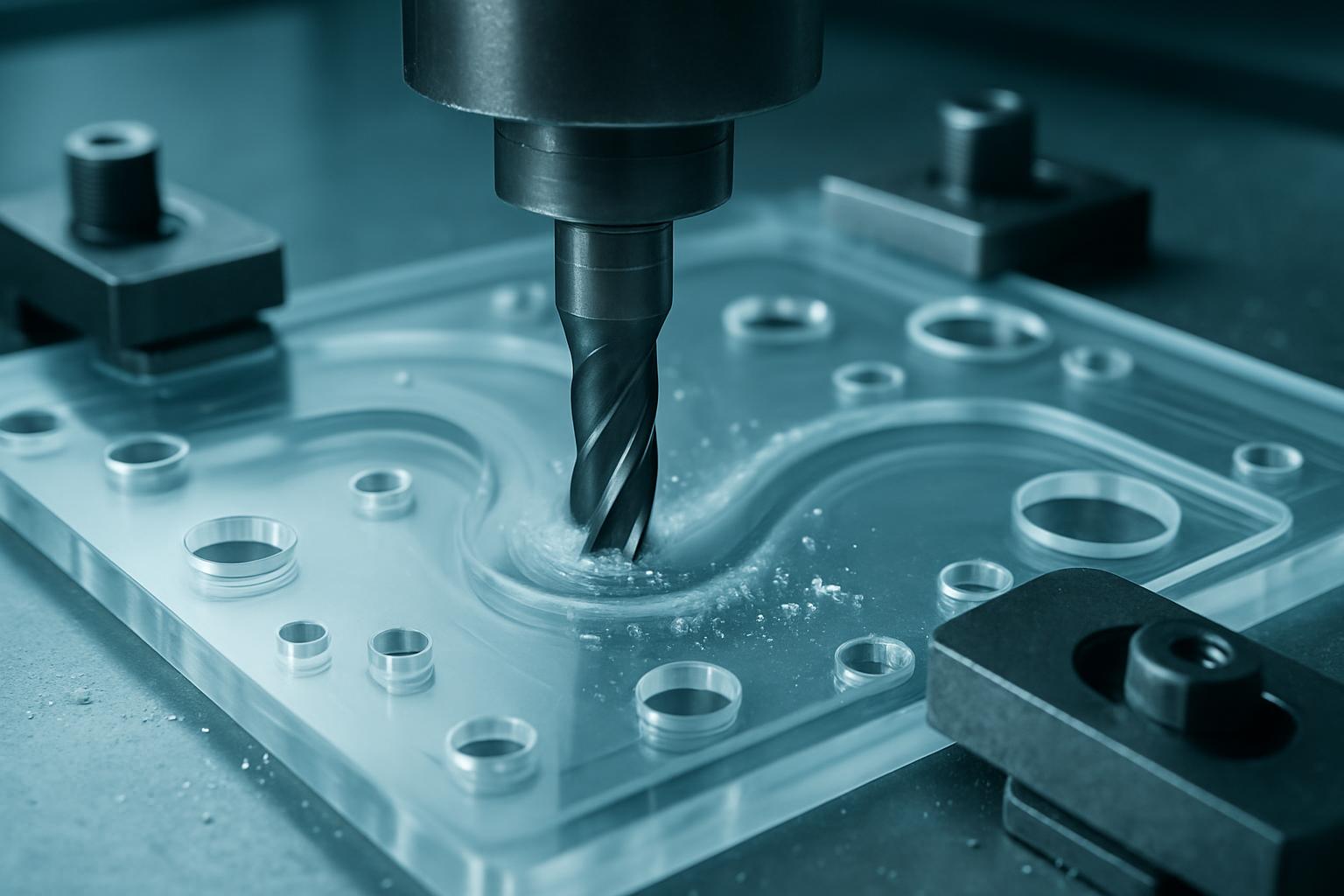
Shopfitting in Paarden Eiland, especially close to the Cape Town port and foreshore, is a balance between design ambition and onsite deadlines. Many jobs need acrylics, cabinetry parts, and profiles that must survive a humid coastal load-in and leave little for site teams to trim or tidy. Our team shaped fixture components and acrylic infills for a retail space near the docks, packing each batch to suit a high-traffic, shared-access entrance. Most fitouts here have to work around existing services, street-level load zones, and unpredictable timing when port traffic ramps up.
This process works best for shopfitters, retail project managers, and facilities teams needing ready-to-install fixtures for busy portside retail or food outlets. If your project requires parts that arrive on time and fit first go, with no spare minutes for bench rework or site trimming, this is the right approach. For installations where the schedule is flexible or you have space to sort out issues on site, a more relaxed method could be enough. When architects or designers have settled their intent and final measurements, we step in to deliver shop-ready components, especially once the creative phase is complete and it is time to move from plans to physical parts.
Before spindle hours start, our team asks for the constraints that shape your fitout: site access, timing, power supply (240 V or three-phase), and how the finished parts will be handled. We walk through load-in routes, shared building lifts, security checks, and even the Highveld dust or salt-laden air that can affect materials. Every crate, polywrapped bundle, or labelled kit is ticked off by the operator before leaving our Germiston workshop. For Paarden Eiland, we built the packing list around ferry schedules and site storage limits, minimising left-over offcuts and on-site sawdust.
We usually recommend a dry run or a hands-on ‘try-on’ if the schedule allows. This gives teams a chance to check fit and avoid rushed fixes, rush charges, or extra site visits, especially if traffic or municipal outages disrupt the programme. Our records from previous shopfits, whether in Isando or Durban, help us spot trouble early: things like too-optimistic access windows, shared circuits, or signoffs delayed until the last moment.
A client brought plans for a fashion franchise refit near the Paarden Eiland docks. The install window was tight, only two mornings and a single lift booking, with builders wrapping up the shell fitout late. We asked for photos of the dock entrance, a map of the route from crate drop to shopfront, and the full set of constraints: site power spec, timing, and access restrictions. The team labelled every part crate and sent a dry-run assembly photo before shipping.
On delivery day, our stack of labelled flat packs fit through the goods lift and landed on site as agreed. The acrylic counterfronts and display frames needed nothing more than a protective wrap removal and slotting into place. No time lost chasing missing pieces, no hidden rework. For southern or coastal rollouts, we keep extra notes on humidity and salt exposure, so your next batch in Durban or Gqeberha gets the same ready-to-fit outcome.
Before you use our contact form, get these essentials ready. Two clear site photos and a tight install window will do more for a smooth start than any design board. If you can, attach a drawing set or a rough hand-drawn layout, even a quick sketch is useful.
These details help us avoid a scramble and keep your fitout moving. The clearer the constraints, the less chance of paying for a rush fix or needing a return trip. Most weeks, we begin cutting from a spec pack, a drawing, or even just a bullet-point brief. We always respond with a step-by-step plan, no sales fluff, only what your build team needs to get going.
Fitouts on the Cape Town waterfront come with their own pitfalls. Access can clash with other tenants, so parking bays or goods lifts are never a given. Humid and salty air can cause panels or acrylics to swell or stick if left out overnight. Teams sometimes send through design boards but forget to mention the real power setup or storage space. When a key decision-maker only turns up at the last minute, late changes can throw the whole programme off twice as hard.
We keep an internal note on what has failed before, its not fancy, just short lines on what tripped us or our client last time. This habit means our next run in [Paarden Eiland], Durban, or Mbombela gets smoother. Bring clear constraints, and we will build an outline you can forward to your builders or installers, step by step.
Verified Google reviews