Gqeberha
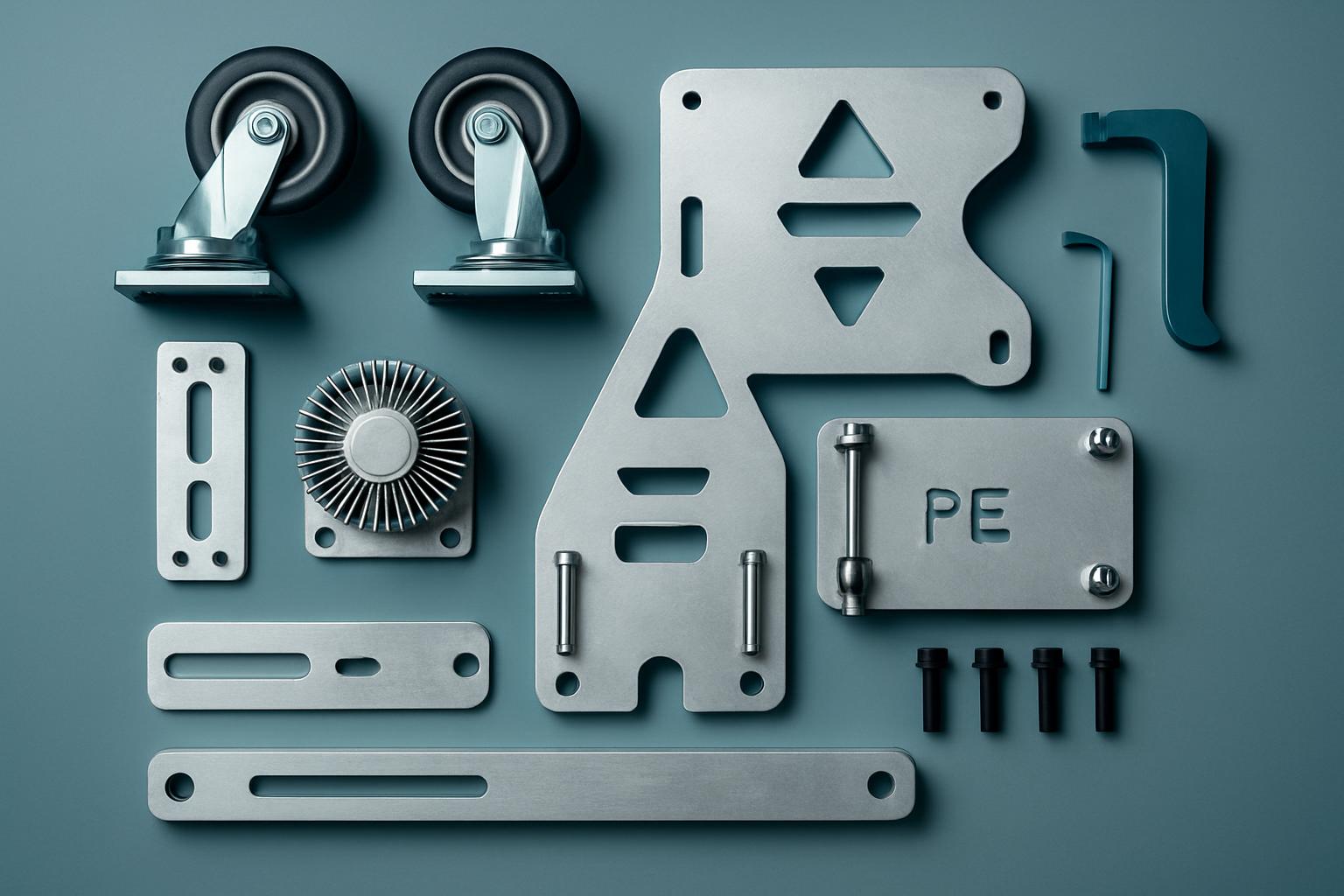
We supply labelled sheet templates for ductwork fabrication in Gqeberha. Packs arrive ready for workshop benches, not another round of trimming and cleanup.
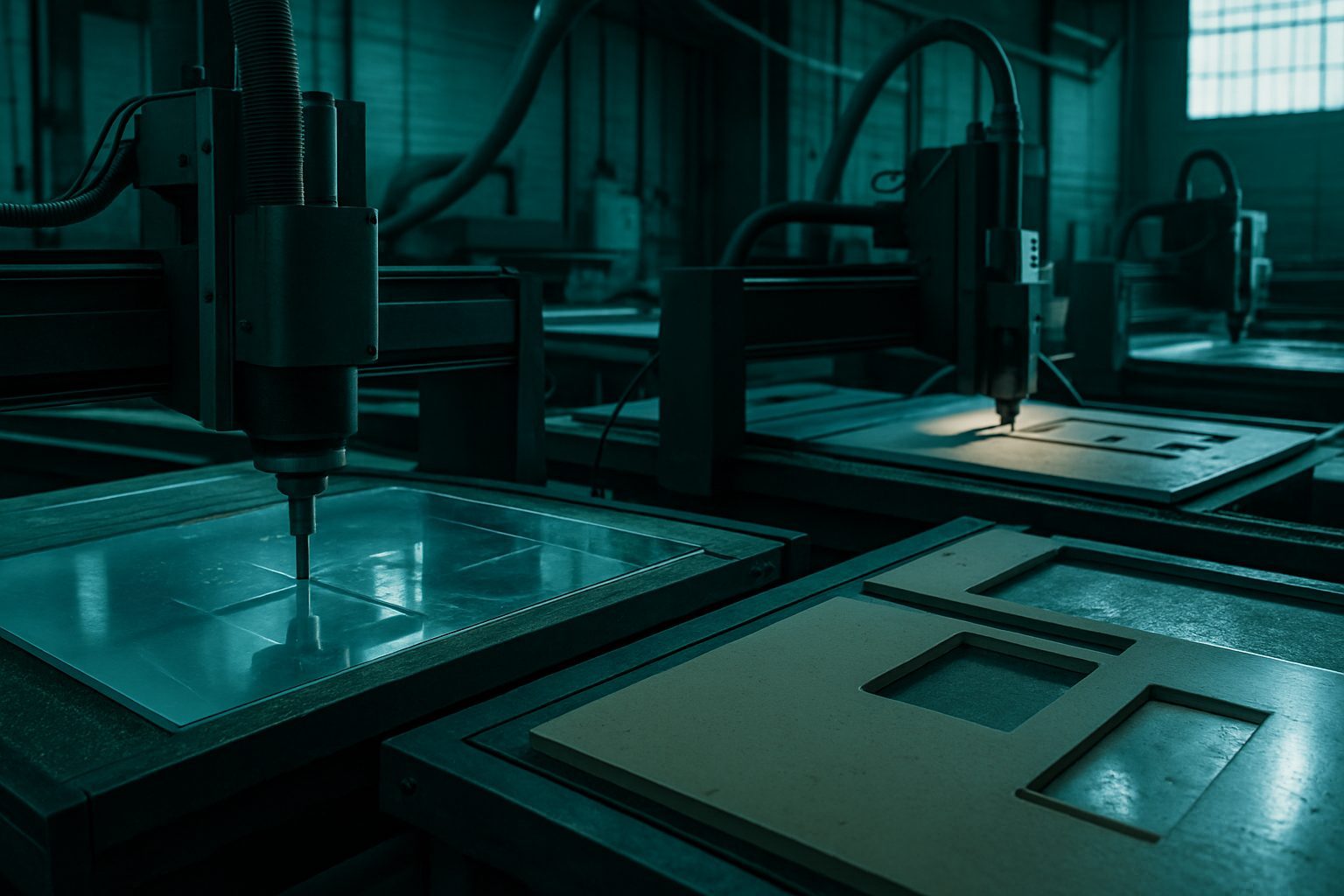
Gqeberha’s coastal humidity brings its own set of challenges for HVAC fabrication. Aluminium and composite sheets can pick up surface moisture overnight, especially if left on pallets in an open bay. Before loading any template into the CNC, our team checks for condensation and wipes down each piece to avoid material slip or edge burring. This quick step keeps the router work crisp and stops corrosion spots from forming before assembly.
One common mistake is letting cut pieces sit too long before sealing or moving them to the next stage. In the Gqeberha shop, we now run a timed transfer from the nesting table to the packing crate, which keeps the finish clean and avoids any warping from damp air. Sticking to this habit means every template arrives ready for installation, not waiting for a touch-up or another round of sanding.
Machines · Industries · Blog.
Duct fabrication in Gqeberha means working around tight deliveries, municipal outages, and shared bays. When a local workshop needed reliable templates for high-volume HVAC, we supplied sheet packs cut to nest, ready for immediate use at the bench. Each template fit the project’s specific access routes and handling limits, not just the CAD drawing. By focusing on how parts move from the floor to final installation, we cut out wasted hours and the need for extra hand-trimming. This setup is ideal for busy teams who need clear labelling, a smooth handoff, and components that fit straight from the crate to the duct line.
If your duct shop is running on 230 V mains and rotating shifts, you want fewer surprises. Let us know the site factors that affect your timing or access (tight stairwells, trolley width, municipal power limits). We specialise in kits where each piece lands at the next stage ready to assemble, not stuck waiting for a correction run.
These template packs work best for busy shops with a clear production schedule and a person to accept deliveries. If you handle frequent switchouts on a fast-moving site, our labelled trays and crate systems keep your line moving without ‘missing piece’ headaches. Projects with clear site access and drawings, no matter how rough, set up the best results.
This approach does not suit jobs where nobody can pin down the site handoff window, or if every decision waits for a client walkabout. Teams expecting made-up adjustments on site will not see the full value (that is, less time on the grinder and no second visit for a misfit duct).
For the Gqeberha project, the workshop sent over a marked-up drawing set and photos of the floor entry and duct risers. We walked through the load-in scenario, mapped the order each section would need to be used, and confirmed labelling for every file pack. Before spindle hours started, we wrote down the key constraints: shared bay access, a tight strike window, and the foreman’s required handoff format.
We then nested the parts for their local sheet sizes and cut on machines set for consistent edge quality. Each crate was labelled to match the shop’s own process. When the pack arrived, there was no waiting for a second handoff or another ‘clean-up’ session on the bench. The local team fitted up straight from the delivery with only minor checks for fit.
Clear up-front detail helps avoid the two most common costs: rush fees and having to do a second round after missed info. You do not need a perfect file set. Two photos of your access point and a sketch of your planned schedule are already a strong start. If you have a drawing pack, even if it has hand notes, include it.
We keep a running log of what tripped up similar jobs in the past, to avoid repeating old mistakes. Once you have a basic outline ready, send it through and we will reply with a practical step-by-step sequence tailored to your site. If you want to see other project types for context, compare our work on Fourways packaging dies or Westville marine cabin.
We have seen the same traps in Polokwane, Bloemfontein and Gqeberha duct jobs: someone forgets about power sharing, or the person who needs to sign off only arrives at the end. If the brief dodges these details, teams pay the price later in site delays or a surprise second visit.
We write down every constraint before choosing the finish, machine or part path. If the schedule is tight, we insist on a dry run or try-on before the full set ships. That keeps errors out of your actual handoff window. If you are new to this system, do not be shy to start with a short email describing your floor and what decisions you still need to make. Our team would rather ask a plain question up front than make a costly guess. Most weeks, projects with this clarity go smoothly the first time.
Verified Google reviews