Centurion
We produced ready-to-fit plate parts for a solar mounting pilot in Centurion, with close attention to handoff, labelling and site constraints. Here we cover our practical approach, lessons, and what to bring when briefing similar projects.
A practical step that saves time on solar pilots is running a fit check at the workshop before delivery. For the Centurion job, we laid out the full set of mounting plates and brackets in the same order the site team would use them. This let us test each part for alignment and check that the labelling matched the crew’s install sequence. We caught a bracket hole that was off by a few millimetres, fixed it on the spot, and avoided a wasted site visit.
If you are working with mixed plate thicknesses or have tight install windows, ask for a dry run or test-fit before the parts leave the shop. Even a quick check can flag issues that are hard to fix once you are on a roof in Highveld wind or under pressure from a municipal outage. Planning for this step upfront means less downtime and fewer call-backs.
Machines · Industries · Blog.
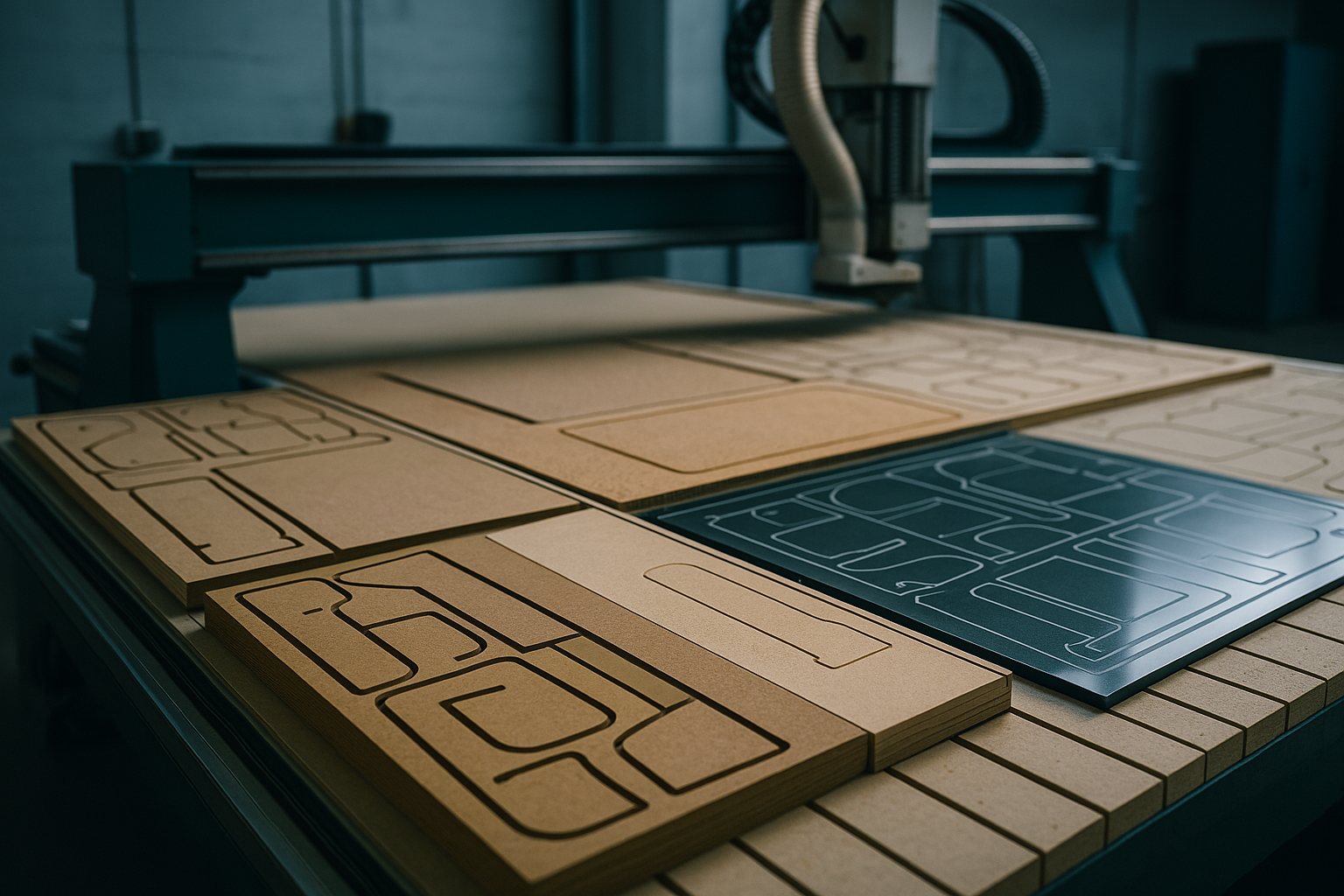
The Centurion solar pilot needed plate parts cut to spec for a mounting system trial. The team planned to install and adjust mounts on live roofs, so every part had to arrive marked, cleaned and easy to match up. We managed not only the cutting but the sorting and labelling at our Germiston workshop, so that the on-site crew could open a crate, find the right piece, and fit it without sorting through a mixed batch.
These jobs suit workshop and facility managers who want clean handoff for pilot runs or early-stage deployments, where each shift on-site costs money. If you are fitting out a solar array in Gauteng or prepping a demonstration project in Cape Town, this approach keeps the installation smooth. It is not right for projects that want to test-fit offcuts or need last-minute design swaps once the steel is on the truck.
We start with whatever you have on hand, whether that is a full drawing set, a basic statement pack, or just a handful of photos. Before we even power up the spindles, the team checks site access, load-in logistics and realistic handoff slots, since Centurion’s site hours can change at short notice. Every crate or stack goes out labelled in the same order you plan to install, which is crucial if you need to keep the project moving during short build windows or around occasional power cuts.
Once parts are cut, we organise handoff for a time that works with your crew’s real site hours, not just what the plan says. If you are based outside Gauteng, like in Durban or Gqeberha, it is usually worth a quick dry run or test-fit before the final delivery leaves the shop. That way, you avoid losing a day to problems you could have spotted in the workshop.
On the Centurion solar pilot, the brief was clear on paper, but our field check flagged delivery access and a handoff window that did not match the install schedule. We mapped out crate labels and sorted the parts by sequence of use, rather than just by type. That meant the site crew opened a crate and found part one, step one, without checking a packing list under Highveld dust or in bad light.
We agreed upfront on labelling, delivery timing, and a fallback if the first install window was missed. By putting these details in writing before picking a machine or finish, we avoided last-minute rush costs and a second call-out. This same approach worked for plate runs in Fourways packaging dies and Gqeberha HVAC templates.
We work best when you share actual site details and not just concepts. For solar pilots like this, the more we know about where to drop crates, how your team will move parts, and what challenges the site brings, the smoother the job runs. Snap a few photos of access points, flag your preferred handoff window, and mark any tricky areas. These practical details help us set up a sequence that avoids confusion and cuts down on wasted time.
If you already have drawing sets or a draft spec, send the lot, even if they are rough. SA sites can throw up last-minute changes with shared power or late-arriving stakeholders, so we work better when these risks are clear. For more complex mounts like those in Isando or Durban, including boundary photos and your planned install route helps us plan handoff.
Every project leaves a note in our job log, covering what failed or needed fixing. The most common traps are over-optimistic install schedules, crates packed in the wrong use order, and skipped dry runs that cost a second site visit. We also see missed power downtime or delays from waiting on a single decision-maker.
If you are new to this or planning a pilot in a city like Pretoria or Bloemfontein, it helps to set the constraint and label everything before you pick a finish or machine. Dry runs and honest timing save you more than fancy spec sheets. For examples of other pilots and what to avoid, see our Projects or check the Machines page.
If you are planning a solar mounting pilot in Centurion, Isando, or any South African industrial park, we will map your parts order and handoff steps before spindle hours start. Send a message through our contact form with your reference photos, timing and any drawing sets. We will reply with a practical parts, labelling and crate sequence you can share with your site crew or decision-makers.
We send you a straightforward plan and part sequence you can check against your team’s install process. If you are weighing up options, have a look at Stellenbosch furniture runs or Westville marine cabins to see the same approach in other sectors.
Verified Google reviews