Germiston
The Sunnyrock open day showed how live nesting, KerfCheck demos and dry runs keep handoffs smooth. This is our test bench for project plans that must work on the floor.
One common error on a busy floor is skipping the dry run before handoff, especially when the team is pressed for time or a delivery arrives late in the day. At Sunnyrock, we have seen how a rushed crate can miss a misaligned edge or an unmarked pack, which then needs to be reworked back at the bench or even returned for recut. To avoid this, we always run a quick fit-up with the labelled parts as soon as they come off the machine.
This dry run exposes any issues while the crew and drawings are still on hand, making it straightforward to mark corrections. It is also the best time to check that all labels match the install sequence and that nothing has been left out. Even a five-minute check can save hours chasing down missing pieces or sorting out confusion when the job is already on site.
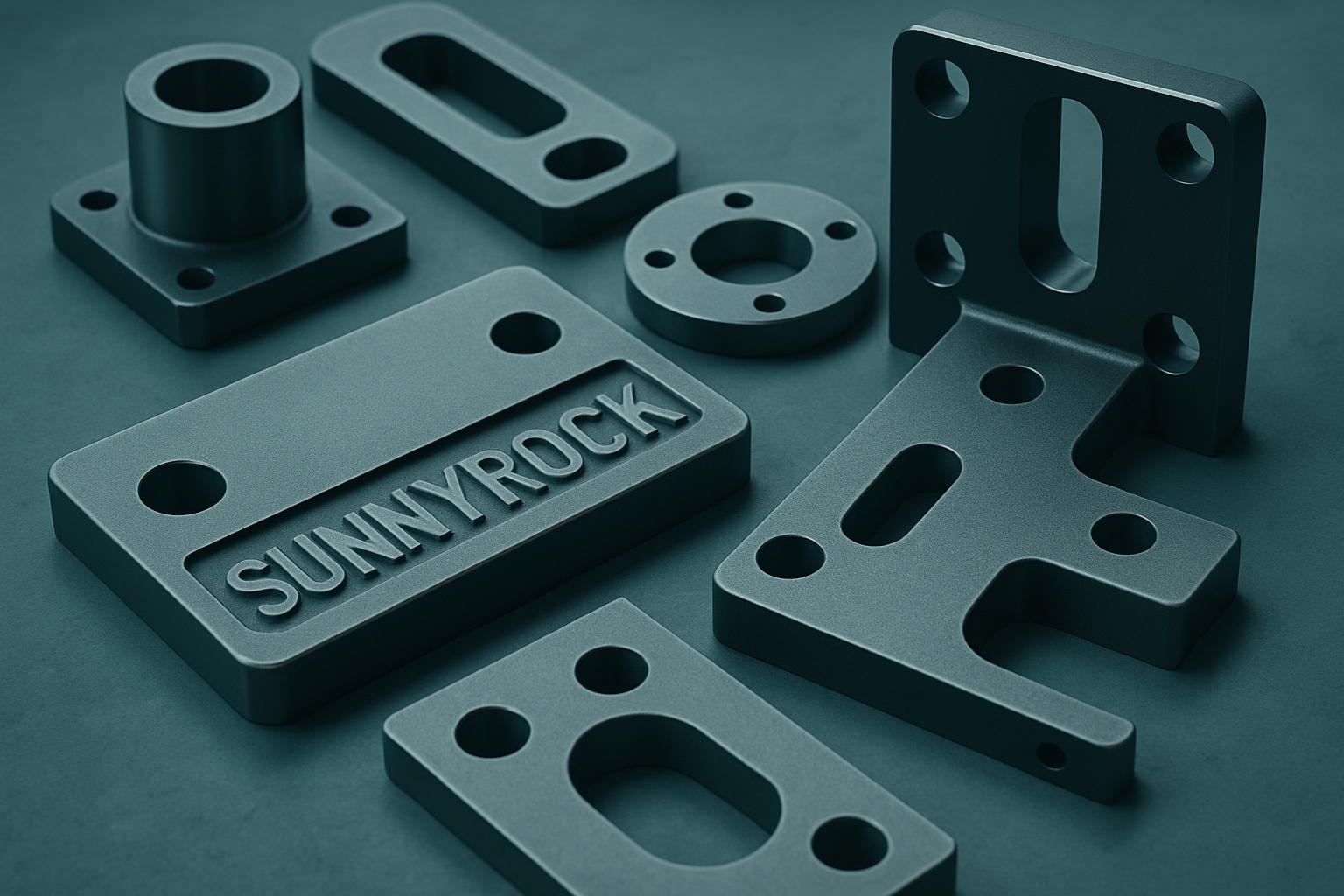
Fast-turn sample bay for fit checks, jigs, and the first confident production nest.
Explore →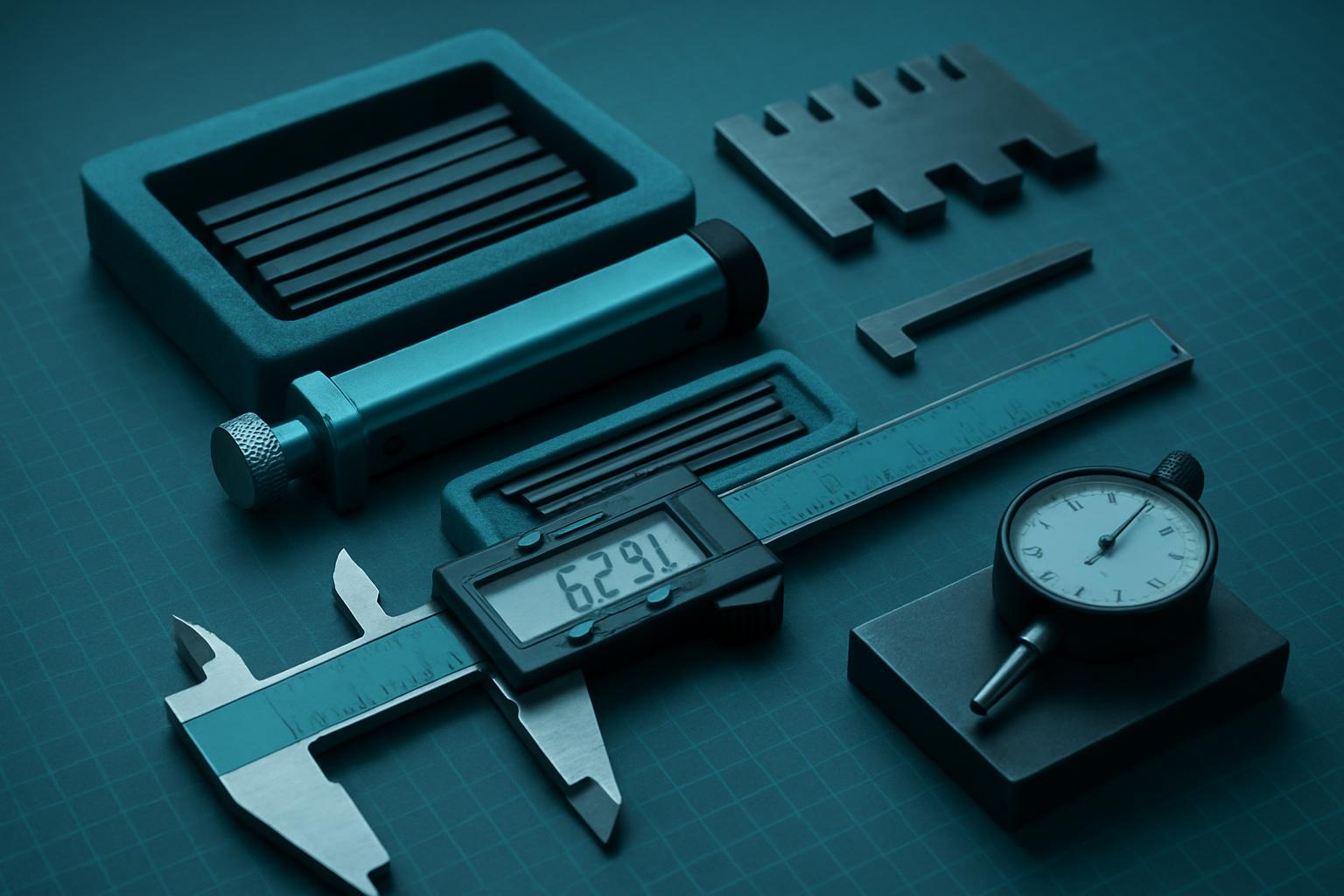
Kerf coupons, calliper kits, and nest reports so cutting stays within drawing intent.
Explore →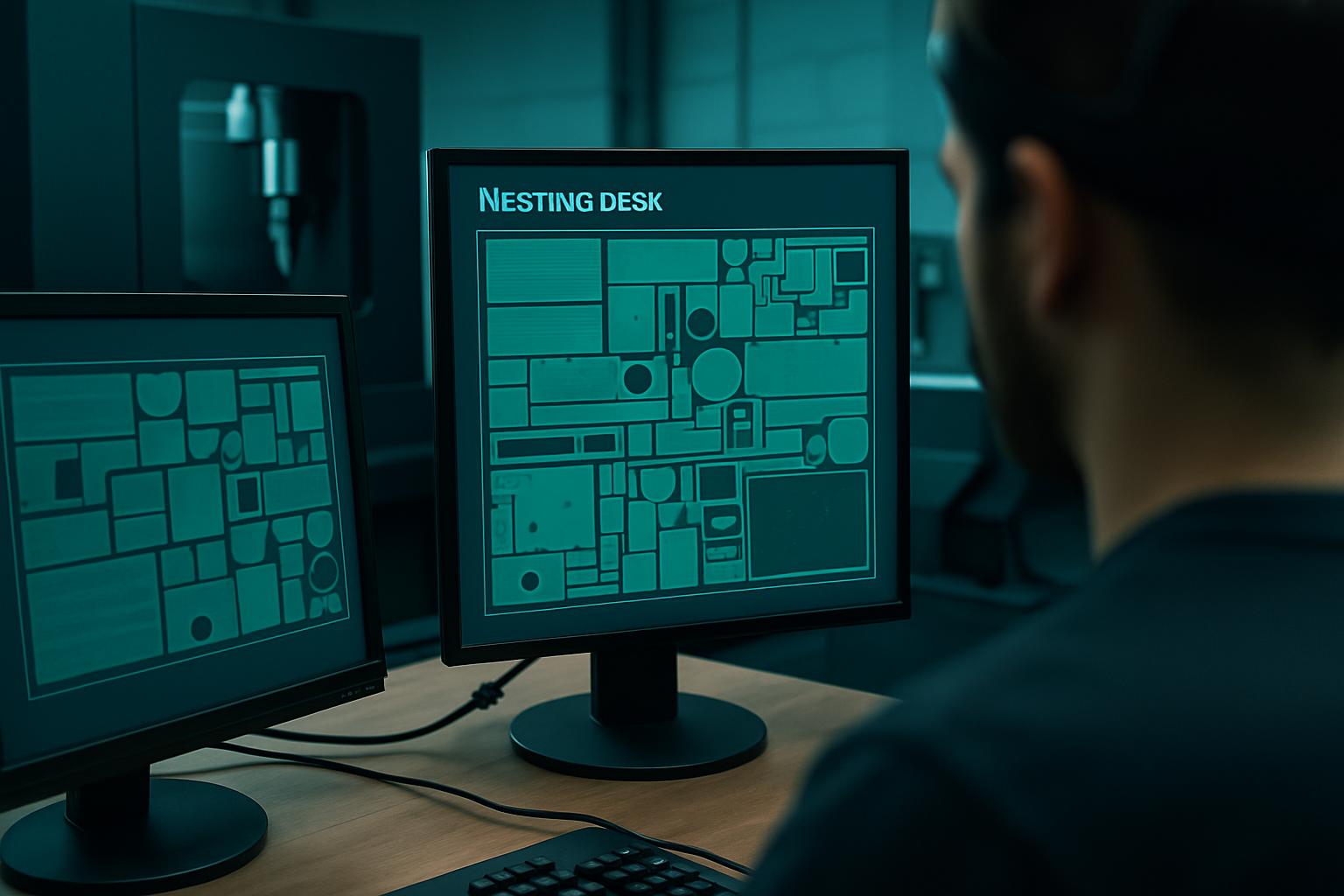
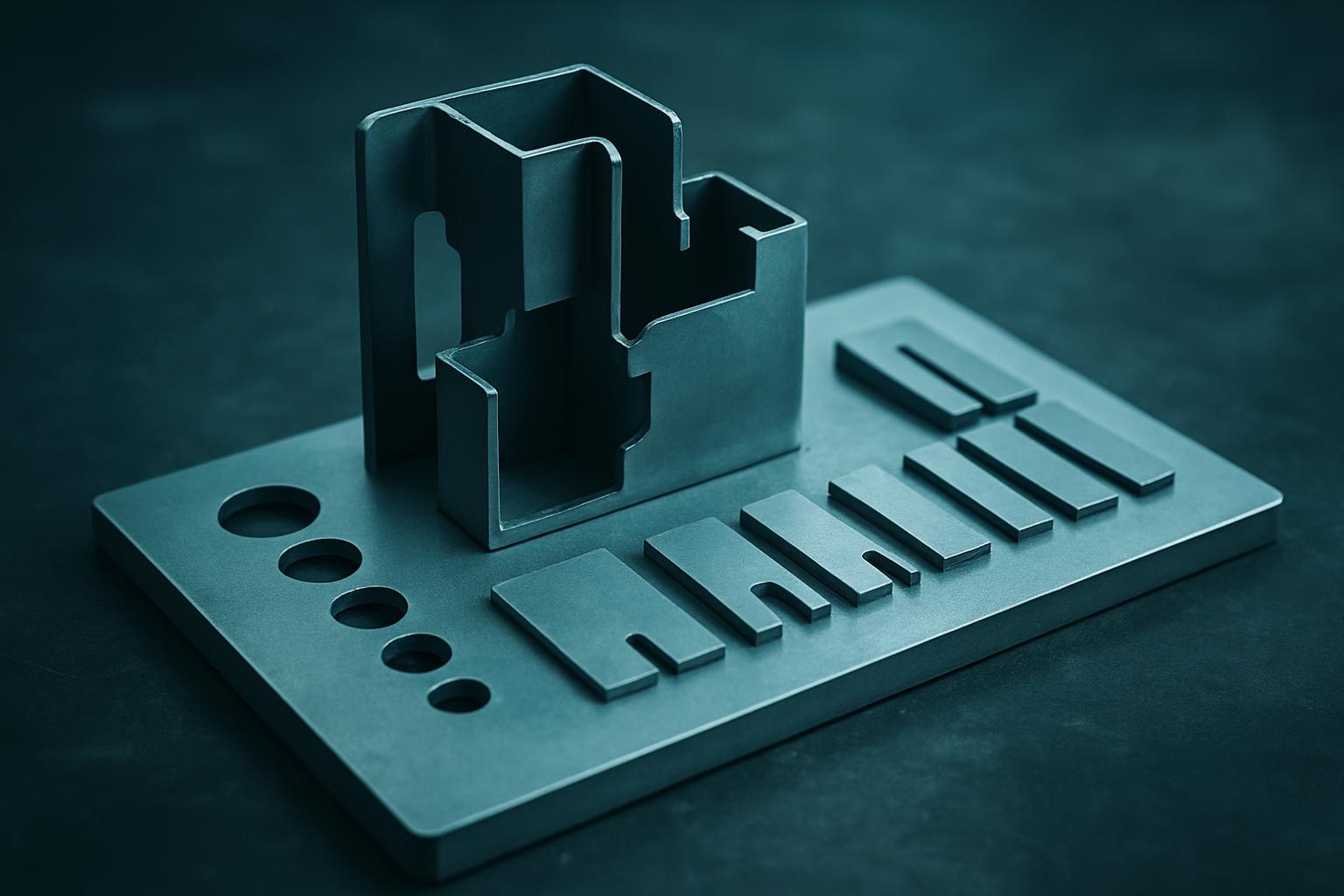
High-yield nesting set for mixed sheet SKUs, less scrap, clearer labels.
Explore →At our Germiston HQ, the open day was more than a demo, clients and operators saw how we prepare cut parts with live nesting software and KerfCheck in play. Visitors handled sample packs straight off the machine and saw why we insist on a try-on or dry run before sign-off. Most weeks, we see the same pressure: tight load-in slots, shifting access routes, and team members busy with their real jobs. The event was planned for people who want practical results, not just a showpiece, with real constraints taken into account from the first conversation.
If you have ever been landed with a part that needed hours of bench fettling, or a crate that could only be opened out in the car park, you know why we keep checklists short and box labels clear. The open day made it plain that plans built for the actual site, with access and handoff windows written down, save more rand and headache than loading up on features.
Our approach works best for buyers, foremen, and project managers in Gauteng and similar regions who need their cut parts to be ready for the next job without extra bench time. If your schedule is tight, or you are coordinating multiple trades in one window, this method will keep your project on track. It suits workshop teams who value labelled components, staged handoffs and the chance to check fit before committing.
If you prefer to make all your decisions right at install, or want to skip early checks and just react on the day, this process might feel too detailed. Rushing in with last-minute measurements or skipping site try-ons usually leads to extra bench work and unexpected delays. Makers who are comfortable fixing up raw parts themselves, or who do not need every component ready for assembly, may find a simpler approach works. For straightforward batch cutting with no on-site complications, see our Machines or Industries pages for alternatives that move quickly.
No two sites are exactly alike, whether you are working in Germiston, Durban or a Highveld warehouse, but certain challenges crop up again and again: power interruptions, teams split between jobs, and tricky access that only becomes clear when the bakkie arrives. The Sunnyrock open day was designed for the real workflow: crate arrives, parts are checked, dry run done when possible, and a clear handoff follows. We always factor in local conditions such as municipal outages or access hours, so clients avoid unnecessary handling and last-minute changes.
Try-ons at Kew taught us that a dry run while the venue plan is still flexible makes mistakes cheaper to fix. We sum up the constraint in writing, before any finish or profile gets chosen. If your project resembles our site work in Bloemfontein staging or Paarden Eiland shopfit, you already know how early-stage prep can save hours later.
A venue in East London needed fit-for-purpose panel packs. The team sent us rough drawings and some site photos showing the load-in point and the staging area. We checked their schedule for handoff windows and agreed to a try-on at Kew before finishes were decided. Crates were labelled with install order and checked with KerfCheck. The project stayed on time because we worked with real site access, not guesswork. No second trips or late-night rework were needed.
When projects skip this mapping step, choosing a finish or profile without writing the constraint, rush fees and extra visits usually follow. We would rather ask plain questions up front, even if it means a few emails, than deliver a wrong answer packaged neatly.
If you are briefing us for the first time, you do not need a perfect drawing set. A messy sketch, a couple of site photos and your best guess at a handoff window get things moving. We track what tripped us up on previous jobs so your project does not repeat those errors.
Want to see how this approach fits in Paarl or Polokwane? Send your brief through our contact form and we will reply with a specific sequence for your floor. Or review more projects for setups like Mbombela lodge interiors or Fourways packaging dies.
Verified Google reviews