Craft
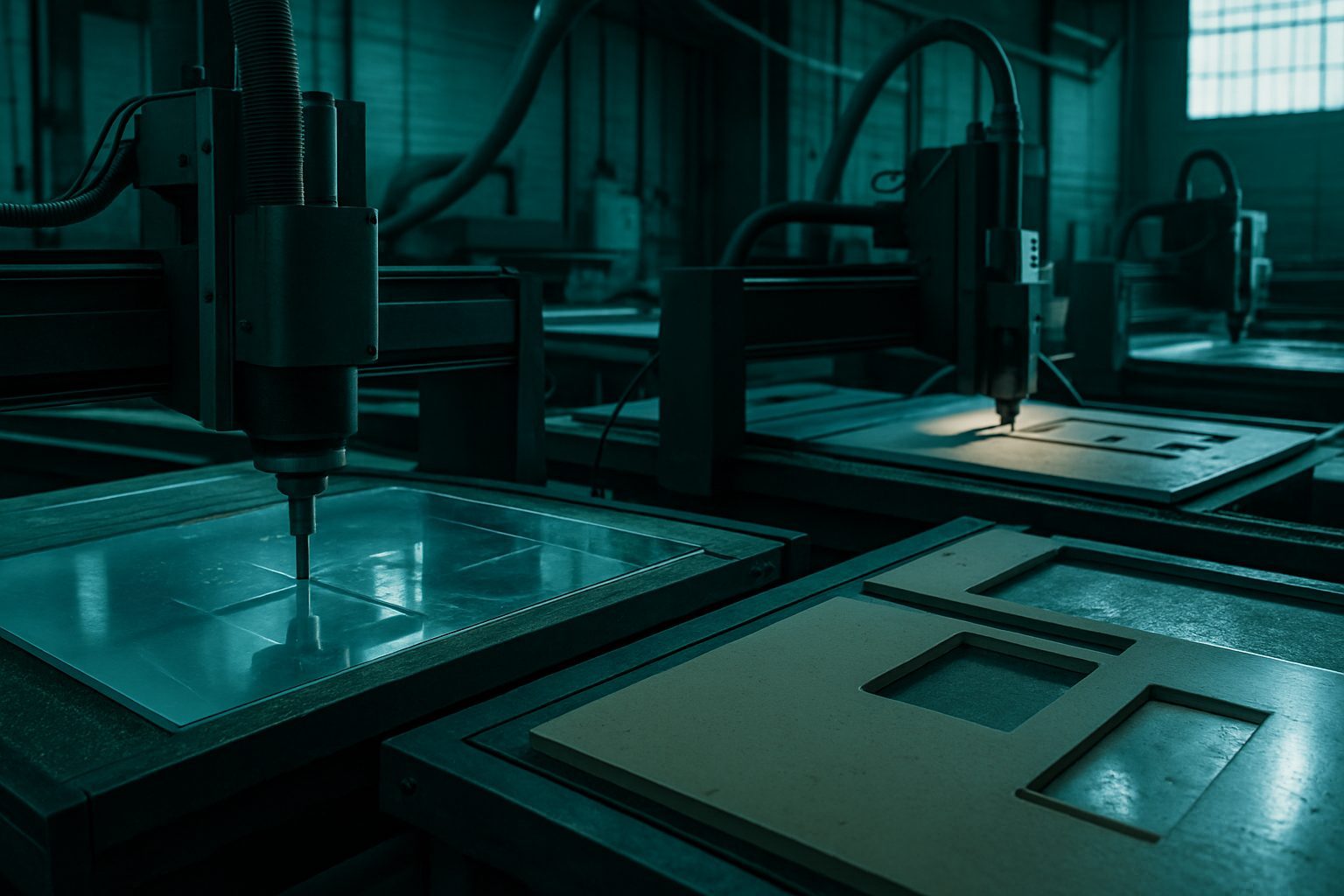
Every cleanly cut part starts with careful prep, not shortcuts. Here’s where logged kerf width, clamp choice and edge recipes keep your production honest.
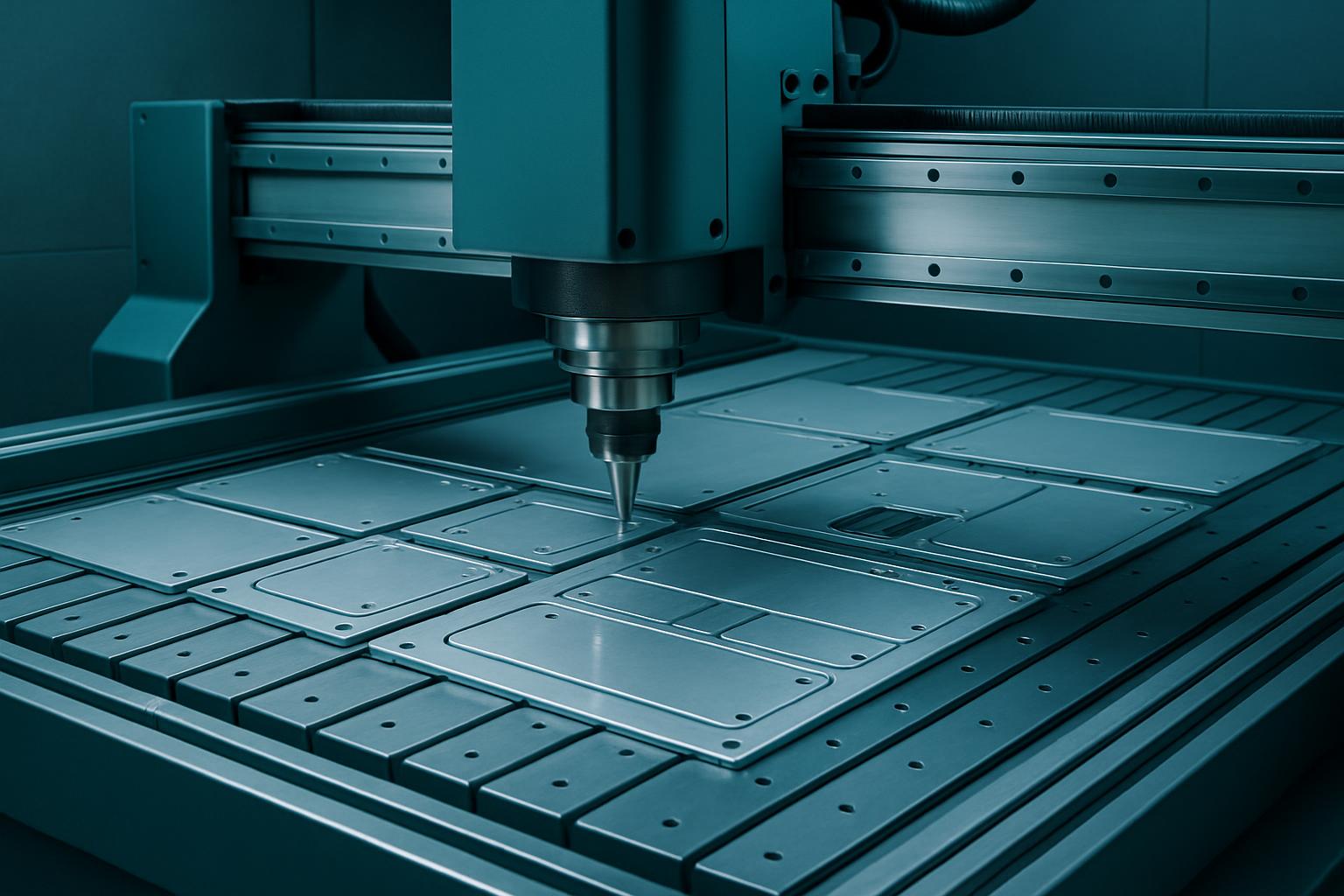
Read nesting, kerf coupons, and browse finishes.
Craft at Cut2Shape is not surface detail or a fancy finish. For us, it means disciplined prep and process, so when your crate arrives in Polokwane or your trolley rolls out in Germiston, every part is fit for the next operation. We favour tight nesting, clamp choices that avoid bruising, accurate logging of kerf, and edge recipes that match your intended join or finish. This is the work that saves your bench an afternoon of rework or scraping. It suits makers and manufacturers who know a bit of patience upfront means honest, clean handoff later.
If your jobs must land on your bench ready for glue-up, powder coating, assembly, or a single scuff with 320-grit, you will appreciate this approach. Fabricators in Highveld workshop parks, Cape Town furniture makers, Gauteng signage shops, and anyone sending checked-off parts for final fitment will find craft-driven cutting delivers fewer surprises. On the other hand, if you are after large volumes for rough fit, need blanks only for a fast first pass, or want to chase every last cent per sheet, you may not need this level of care. Some high-throughput plants find it overkill for disposable packaging or low-cost ply forms.
We nest your drawings to preserve stock and cut time. We log kerf width for each toolpath and keep a record so your next run matches up. Every clamp, vacuum or tab placement is chosen to protect faces, even when the Durban humidity or winter static tries to get in the way. Our team checks edge recipes: whether it needs a sharp arris, a slight round, or a break for a primer coat. We verify edge quality and label batches with job numbers and handoff notes. By the time you get your order, you know the exact finish and prep, not just an 'as cut' guess.
Visit our finishes page to see the kinds of edge and surface options that may be specified, or read more on how our nesting works.
A Johannesburg joiner needs a run of birch ply shelves for final assembly on site. They send a DXF with precise rebates and labelled faces, looking for minimal sanding and a ready-to-join arris. We check the file, log the intended kerf, and nest for minimum offcut. The operator sets clamps that avoid surface marking, selects the correct 4 mm spiral for clean edges, and does a test coupon to verify the cut width. The batch is cut and each part checked for tear-out or chipping. Edge rounds are applied per spec. Parts are stickered, bagged, and labelled for handoff, ready for assembly in Sandton with no extra bench time.
The best parts come from clear drawings, a list of critical faces, and your preferred edge detail. If you have a preferred way of labelling, note that too. Be ready to tell us whether you will handle the finishing yourself, if you need holes or slots pre-cut, or if you have specific tolerances in mind. Give us your preferred material grade and any non-standard requests, such as taped faces for minimal marking, or a specific grain orientation. Jobs that come in with these details skip a lot of back-and-forth.
You can see common requirements on our shipping and samples page, and browse machines if you want to discuss tooling.
Some common issues do slow production on the floor. Files with hidden layers, unlabelled faces or old revision numbers can confuse the operator or lead to mismatched batches. Unclear handoff notes make it easy to miss a critical grain direction or primer break. If you mix imperial and metric in your files, tell us upfront, as this can affect kerf settings and part fit. Lastly, rushing the fine points of finish or edge breaks may save rand today but adds hours of sanding or rework later.
If you are ready to send a drawing or want to talk through kerf, edge detail or handoff, email our team at our contact form. We’re based in Sunnyrock, Germiston, and speak workshop, not just CAD. If you are not sure which finishes, label types or handoff prep suit your build, have a look at our resources or browse recent industry projects for ideas from other South African workshops.