Fourways
We supply foam and board prototypes for packaging die trials in Fourways and beyond. Get clear handoff, tidy parts and practical advice before you commit to a production run.
One practical step we recommend before committing to a packaging die prototype run is to do a simple fit check with actual products or dummies on your own floor. Place the foam or board sample in your intended carton or crate, load it with the real item, and see if stacking, lifting, and closing work as planned. We have seen teams in Fourways save hours by spotting a tight corner or an awkward grip point during this hands-on test, rather than after production starts.
South African workshops often face surprises like uneven warehouse floors, humid storage, or shared access ways. These real-world factors can affect how a prototype performs compared to a CAD model. Running a quick fit check in your actual conditions helps catch any practical issues early, making sure the final run is truly ready for your site, not just perfect on paper.
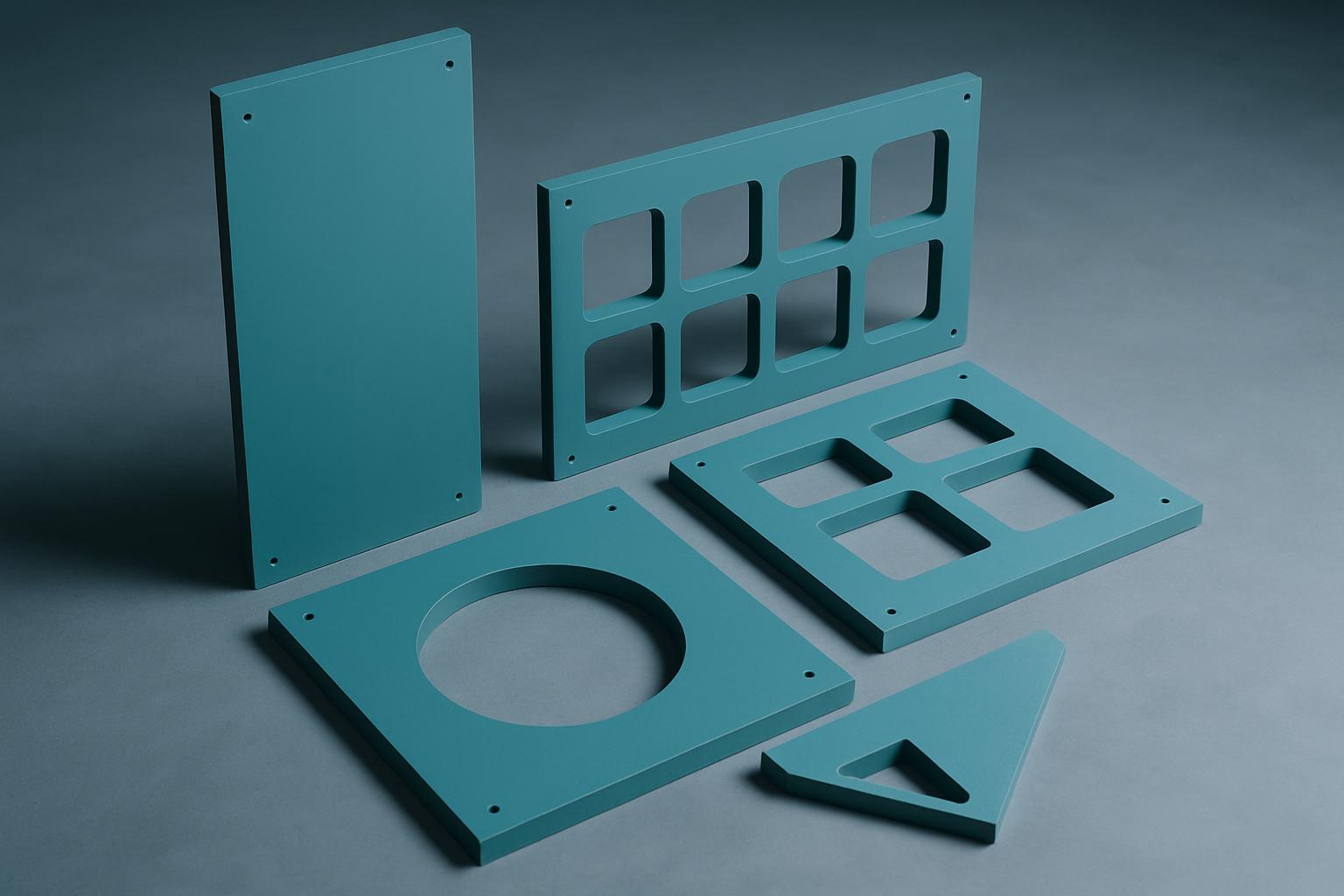
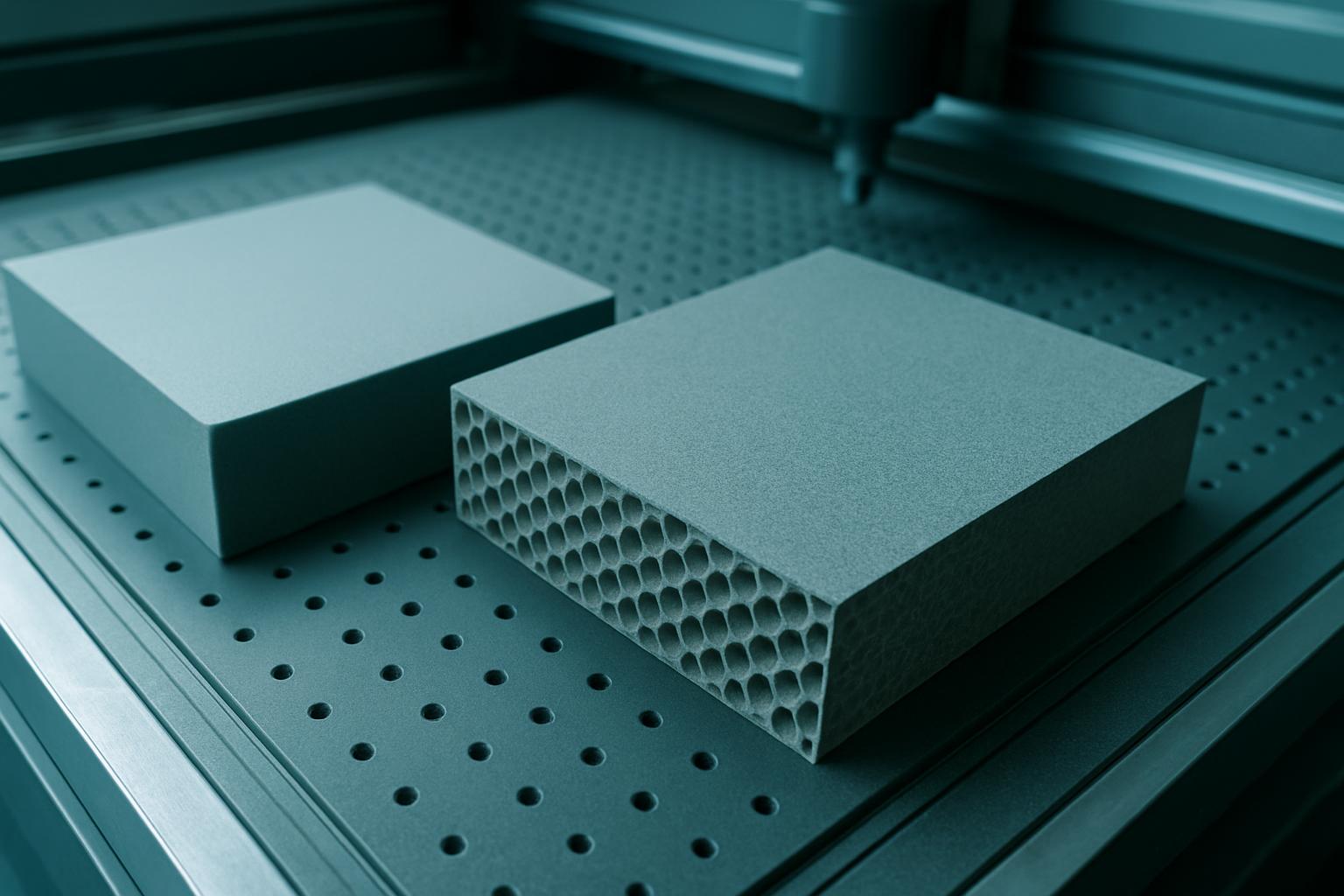
A packaging die prototype is a one-off or short run cut from foam or board, made to test a packaging concept before investing in full production. These prototypes let you check fit, stacking, and handling well before you spend on final tooling or bulk material. Most South African packaging firms, printers, or brand teams use this approach for new box shapes, cushioning or crate inserts, especially when shipping retail goods, export orders or delicate electronics.
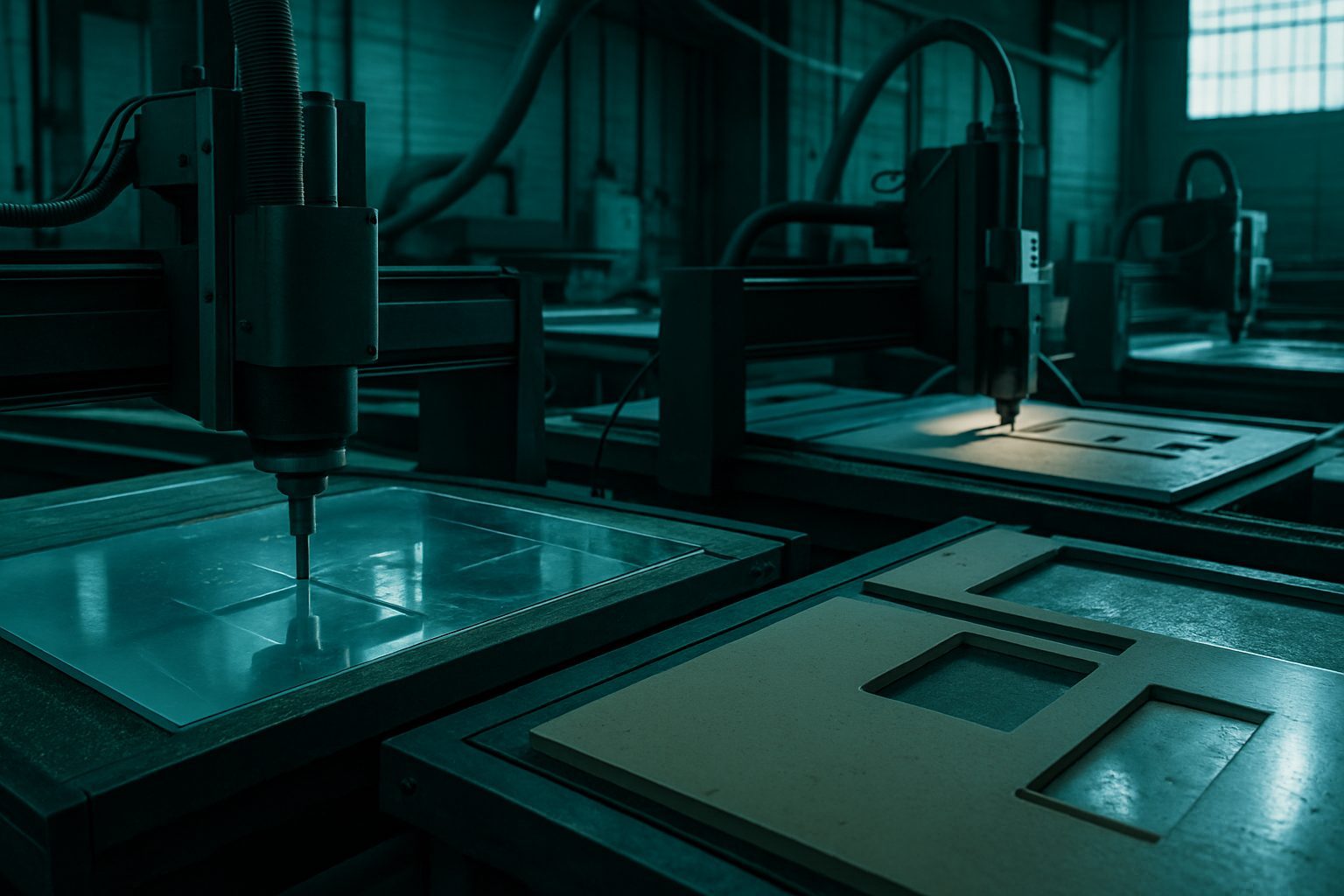
Our workshop cuts and labels each piece per your drawing set, then packs for a clean arrival at your floor. This trial run is useful for teams who want to pressure test a new pack or carton design without losing a week to guessing the right dimensions or ordering the wrong material.
Prototype packaging dies suit operations that need to prove a concept before investing in steel rule dies, injection moulds, or live production lines. They are ideal if you are validating a fit for export cartons, electronics, promotional packs, or odd-shaped retail products, especially when timing is tight or the spec may still change.
Prototype packaging dies are not for you if your CAD is already final, you are producing a repeat item, or you are dealing with volumes too high for manual work. Operations handling mass runs of folding cartons, standard pizza boxes, or generic label sheets generally skip the prototype stage and move straight into production. If your idea is still at the rough sketch stage, take the time to pin down key dimensions and requirements before you get in touch. A quick chat with our team can help clarify what you need, saving you time and back-and-forth later.
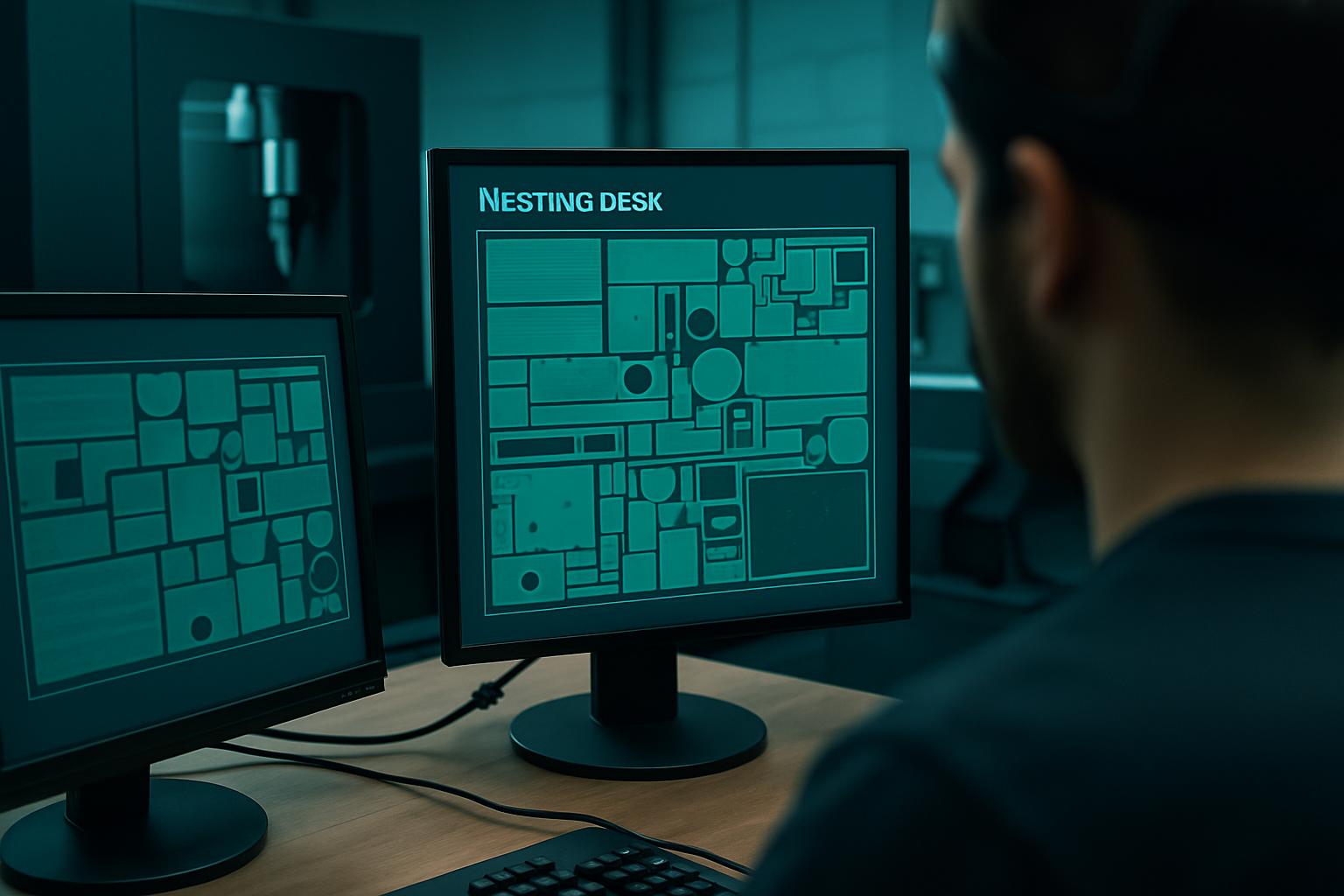
Most trials start with a drawing set and a short spec, material thickness, inside dimensions, and key finish notes. We clarify access and load-in constraints, such as tight goods lifts or off-peak delivery hours, especially in Gauteng business parks or Cape Town multi-tenant sites. Each part is labelled and crated with the site team in mind, not just the design team, so there is no confusion at handoff.
In Fourways, this means being ready for shared three-phase power, limited parking, and the reality that not every stakeholder is available when you need them. We have seen projects go long because someone forgot to check mains or missed the available window for a dry run. We log those risks at the start, often on the first briefing email.
A typical Fourways project needed a run of foam and board prototypes before launching a new retail pack. The brief sounded straightforward but became more complex once we mapped building access, timing and who would sign off. We kept the plan tight and simple, labelled every crate, and locked a handoff window before cutting. This meant each piece arrived at the right bench, ready for a try-on and adjustment, instead of wasting another afternoon on rework. The owner sent a quick photo of the goods entrance, and the process moved without a hitch.
Prototyping works best when you come prepared. Most strong briefs include a drawing set, target dimensions, and one or two photos showing the delivery route or install point. We do not need a perfect packshot, but a rough PDF or labelled photo goes a long way. If you have constraints around power, access, or handoff times, include those upfront so we can plan machines or staff shifts. If you are not sure, a plain description of your concern works, many teams have the same questions, and we can flag a quick solution.
If you have a messy sketch, list your main priorities clearly: is it fit, finish, timing, or cost? The more direct your input, the fewer surprises once the parts arrive. For longer runs, tell us if you have municipal or SARS paperwork to track, as that can affect scheduling.
The three most common pitfalls in packaging die prototype trials are missing access details, waiting for a final signoff who was not part of the initial discussions, and expecting perfect fit from a rough sketch. In busy areas like Pretoria, limited power availability and shifting schedules can add extra hurdles. We manage these issues by getting clear constraints from the start, documenting them, and focusing on the most direct path to your goal. Every project gets a note on what caused delays before, so we do not repeat mistakes. Most problems are sorted by asking a simple question early, not by scrambling for a fix at the end.
If you are setting up a similar prototype in East London, Gqeberha or any other region, email our workshop and we will plan your job sequence with local challenges in mind, not just a generic spec sheet. When you look at how we handle Bloemfontein staging or Paarden Eiland shopfit, you will see we use the same approach: clear instructions, practical support, and well-labelled parts delivered for easy handoff.
Verified Google reviews