Sandton
Practical ACM letter nests cut for a Sandton retail refresh, delivered with clear load-in planning, crate labelling, and a precise handoff. Learn what worked, and what to bring next time.
Before any ACM retail letter job moves to the cutting floor, double-check that your artwork matches the real site conditions. We have seen projects stall when the shopfront dimensions on paper do not match what is built, especially in new retail builds where final wall finishes or cladding can shift by a few millimetres. Always remeasure critical wall sections and confirm if there are pipes, conduits or hidden obstacles behind the mounting area. It is worth sending a quick site photo with a tape measure visible for scale.
Another common issue is forgetting to allow for expansion gaps in aluminium composite material, particularly in Gauteng’s temperature swings or in coastal sites with humidity. Even a 3 to 6 mm gap can prevent future warping or buckling. If in doubt, ask for a physical template or a test letter cut before the full run. This extra check helps avoid a costly rework or a rushed fix on site.
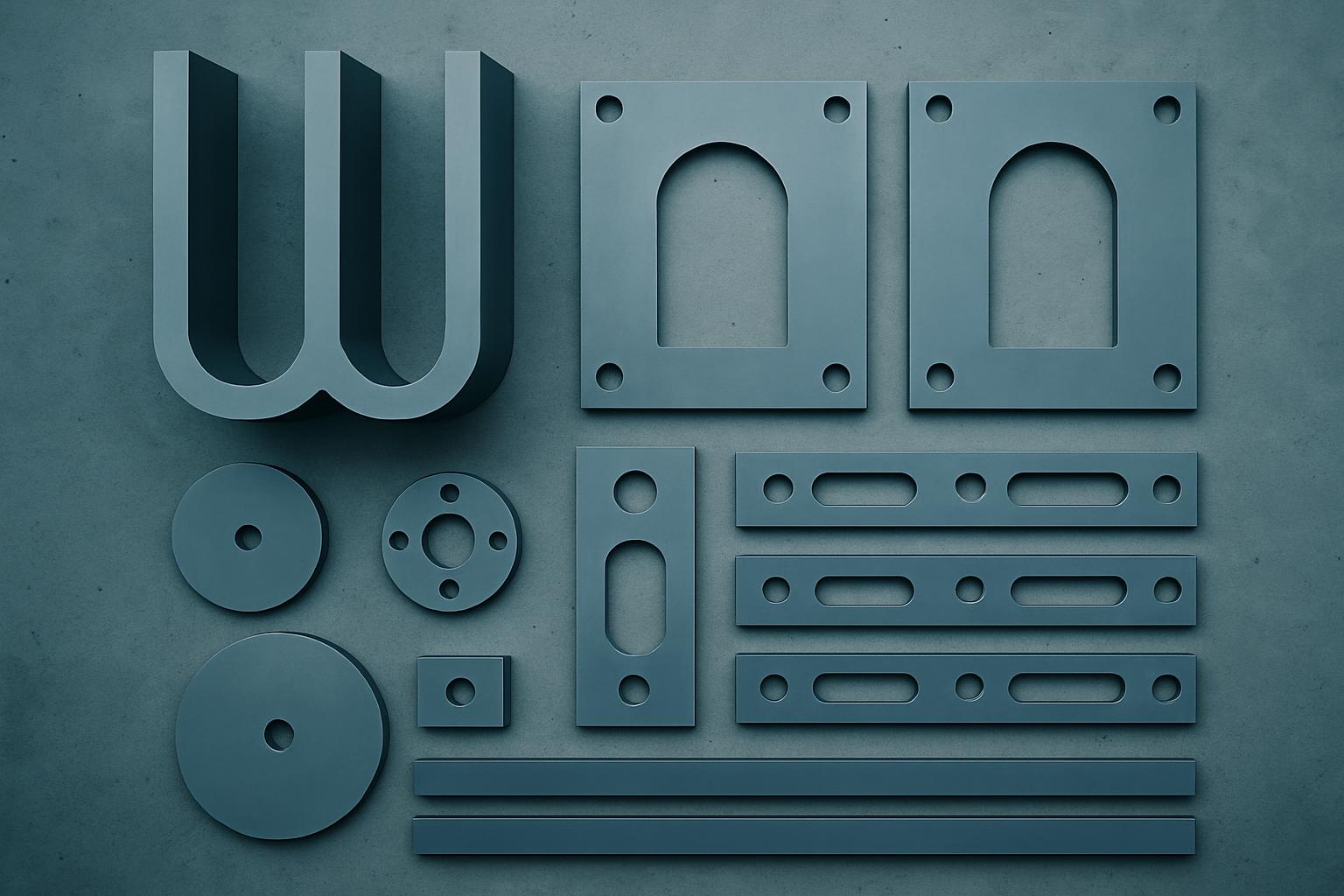
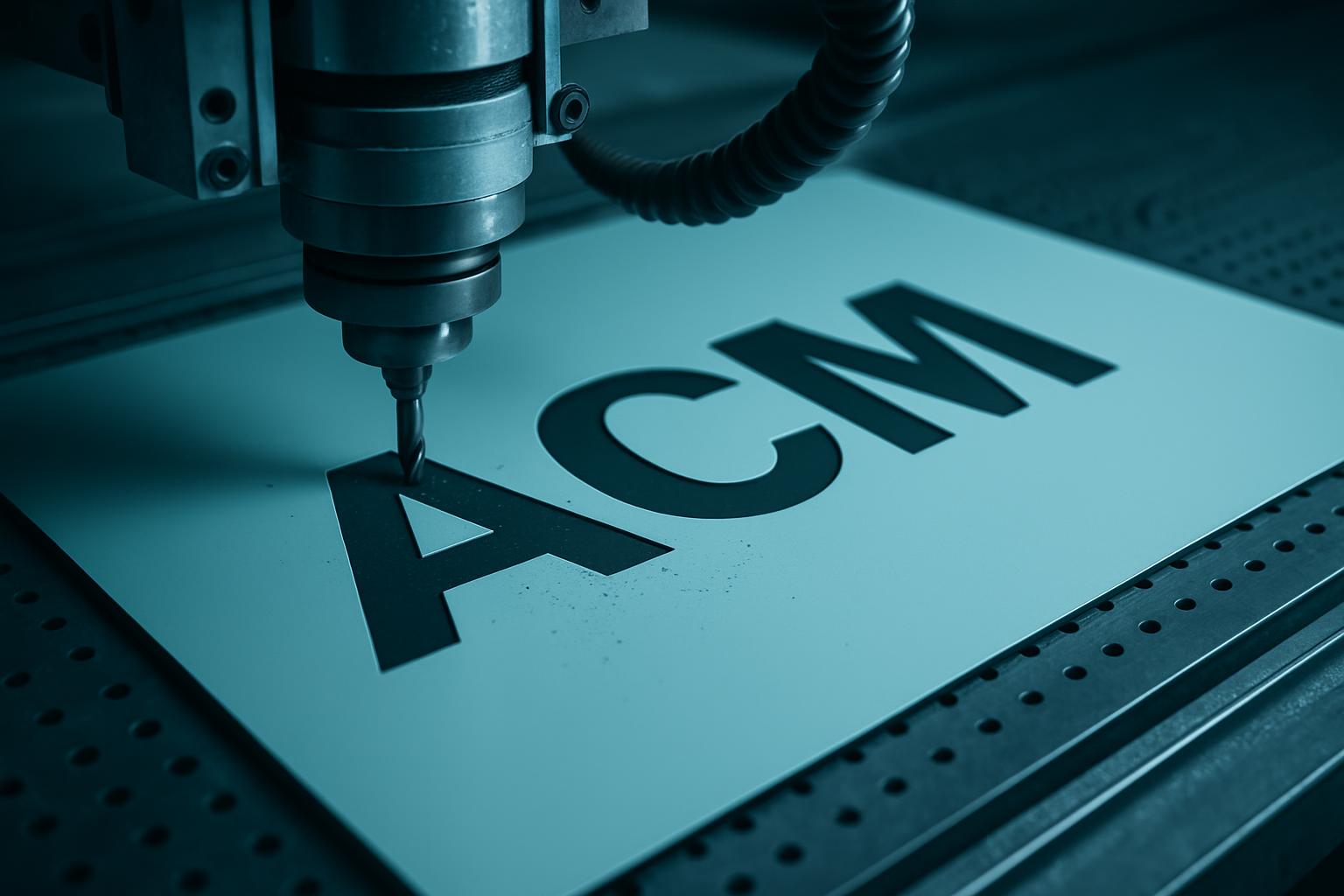
ACM (aluminium composite material) letter nests suit retail signage and feature walls where budget, weight, and a clean edge all count. For Sandton and Midrand retail builds, we shape ACM letters in production runs, nested tightly to cut waste and keep handling low. This approach works for shopfronts or internal branding where you need consistent finishes and no extra time spent trimming in the back room. It does not suit sites needing deep 3D sign faces or jobs where thick steel is required for outdoor abuse.
On this Sandton project, the brief called for a uniform look and time-sensitive install. The main concern was not the shape or finish, but making sure every letter arrived ready for quick fixing, without workshop touch-ups. The nesting method reduced scrap and packing bulk, meaning fewer crates and simpler unloading on a tight retail schedule.
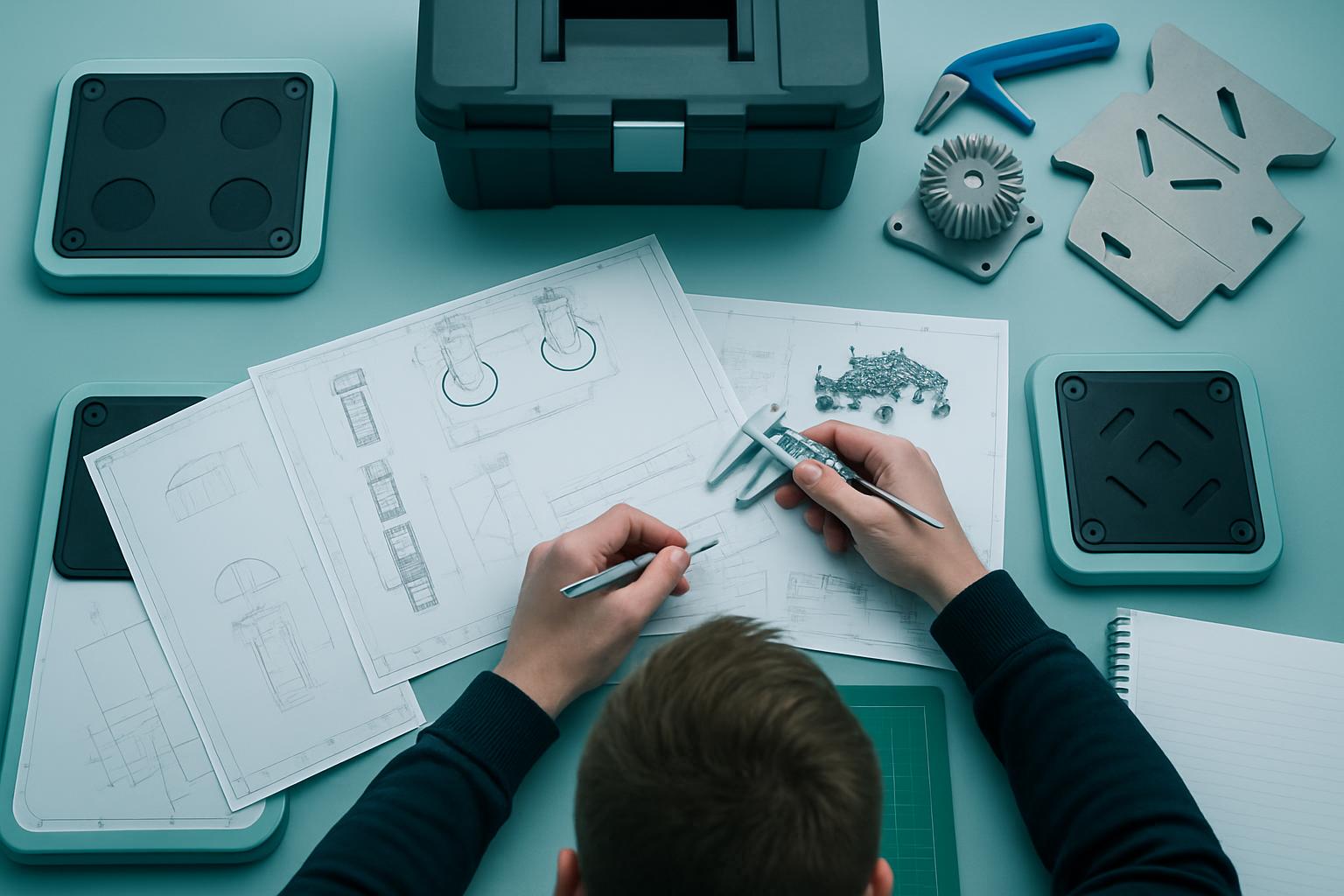
If you are planning a similar retail pack, clear preparation is vital. A full drawing set, whether digital or hand-marked, is the starting point. Make sure you have confirmed dates for site access and note any mall or precinct requirements like specific load-in times or a dedicated storage spot. Photos must be labelled with the exact location and orientation, so there is no confusion on arrival. Relying only on a quick photo or a vague idea of the space will not be enough for a smooth installation.
Let us know your finish requirements as early as possible, since certain coatings or films can react poorly to Highveld dust or the humidity found on the coast. If you anticipate power cuts or municipal outages, tell us when backup power is available at your site so we can plan delivery and installation accordingly. Share any unique mounting instructions or if you need layered signage right from the start. Please send your brief, sketches and all access details to our team.
Many Sandton, Rosebank or Cape Town CBD projects go sideways when site access or timing is left vague. We put each constraint on paper before picking a machine, finish, or final packing method. This habit lets us avoid last-minute rush fees or double-handling parts. Crates leave our Germiston workshop labelled by room, floor or install order. If we see a snag, like a mall loading bay with a two-hour window, we break the job into smaller handoff batches.
Our team prefers a preinstall dry run when schedules allow, especially on letters or signage built to slot into wall features. We also log what failed or surprised on the last fit-out, so we do not repeat the same mistake. This ‘field note’ approach means fresher fixes for jobs in mixed-use malls, converted office blocks or tight renovation sites.
For the Sandton letter nest, the client delivered a rough CAD set with a requested finish and site date. We returned a nesting layout for approval, showing how the letters would be cut, packed, and labelled for each site bay. Once signed off, we ran the job on the machines that best matched the detail level and finish film, then coordinated the crate drop with facilities management for off-peak delivery.
No single job follows a script, especially when a fit-out shares power or trades space with other teams. On this run, a late change to a store logo meant we had to re-nest one crate mid-process, but because constraints were agreed early, the change only affected the one batch. The job wrapped without unplanned site visits or extra bench time.
The most frequent mistake in South African retail sign briefs is skipping constraint mapping or leaving access loose. Optimistic assumptions about site power, load-in or even staff availability will catch you out, especially during busy trading periods. Another common miss is underestimating the packaging bulk, proper crate labelling by area saves hours on site.
For projects with tight timelines or shared access, like those in busy malls from Bloemfontein to Durban, always organise a dry run or test fit if the schedule allows. Provide an actual installation timetable, not just a reference image or a few ideas. If you have partnered with us before, make sure your new brief includes the latest site photographs and clearly marked-up plans. We focus on asking direct questions upfront, which helps to prevent any costly mistakes during the fit-out.
Verified Google reviews