Durban
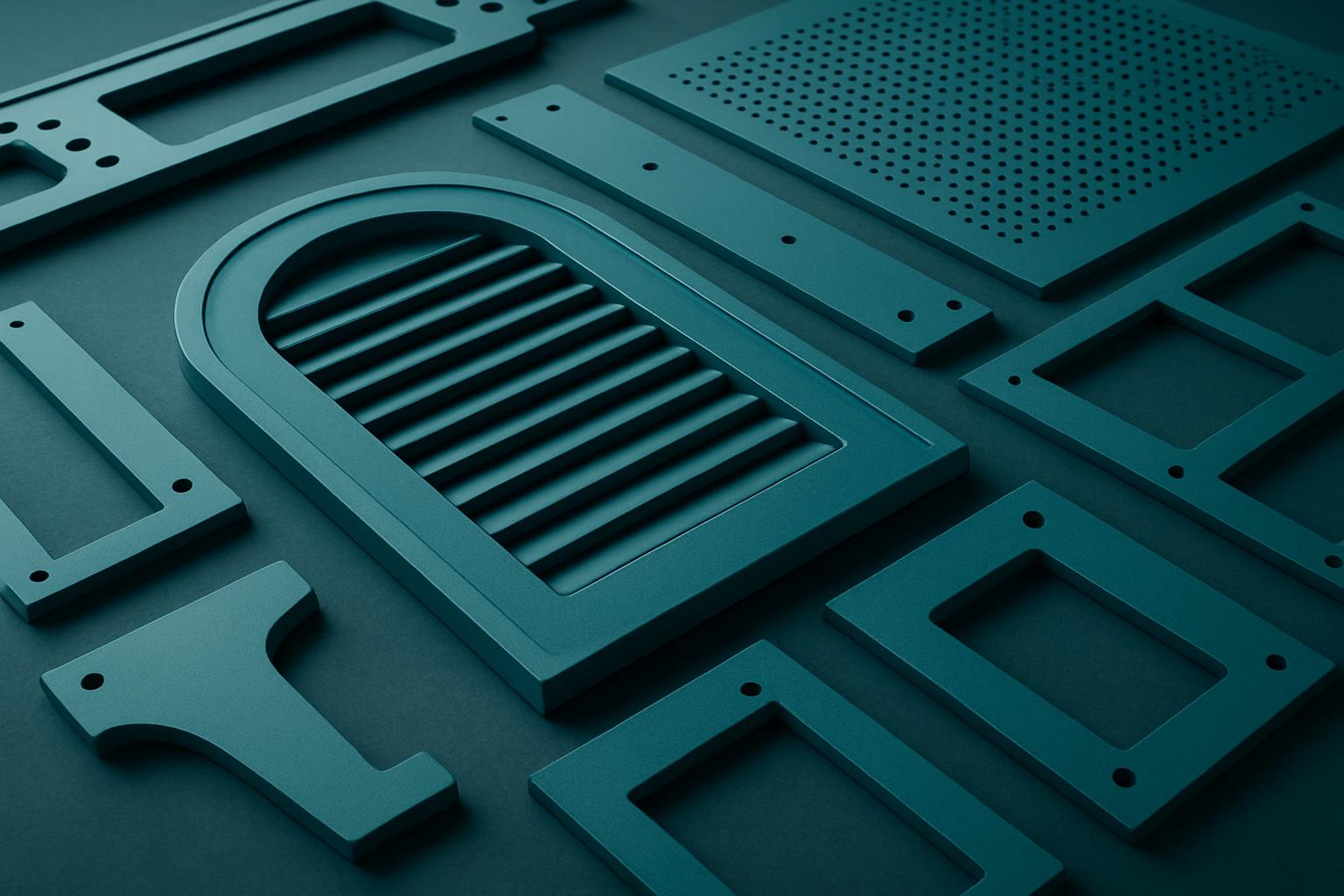
We supplied foam-core and acrylic exhibition parts to Durban on a tight overnight window. Here is how that brief worked, plus what to prep if your team faces similar constraints.
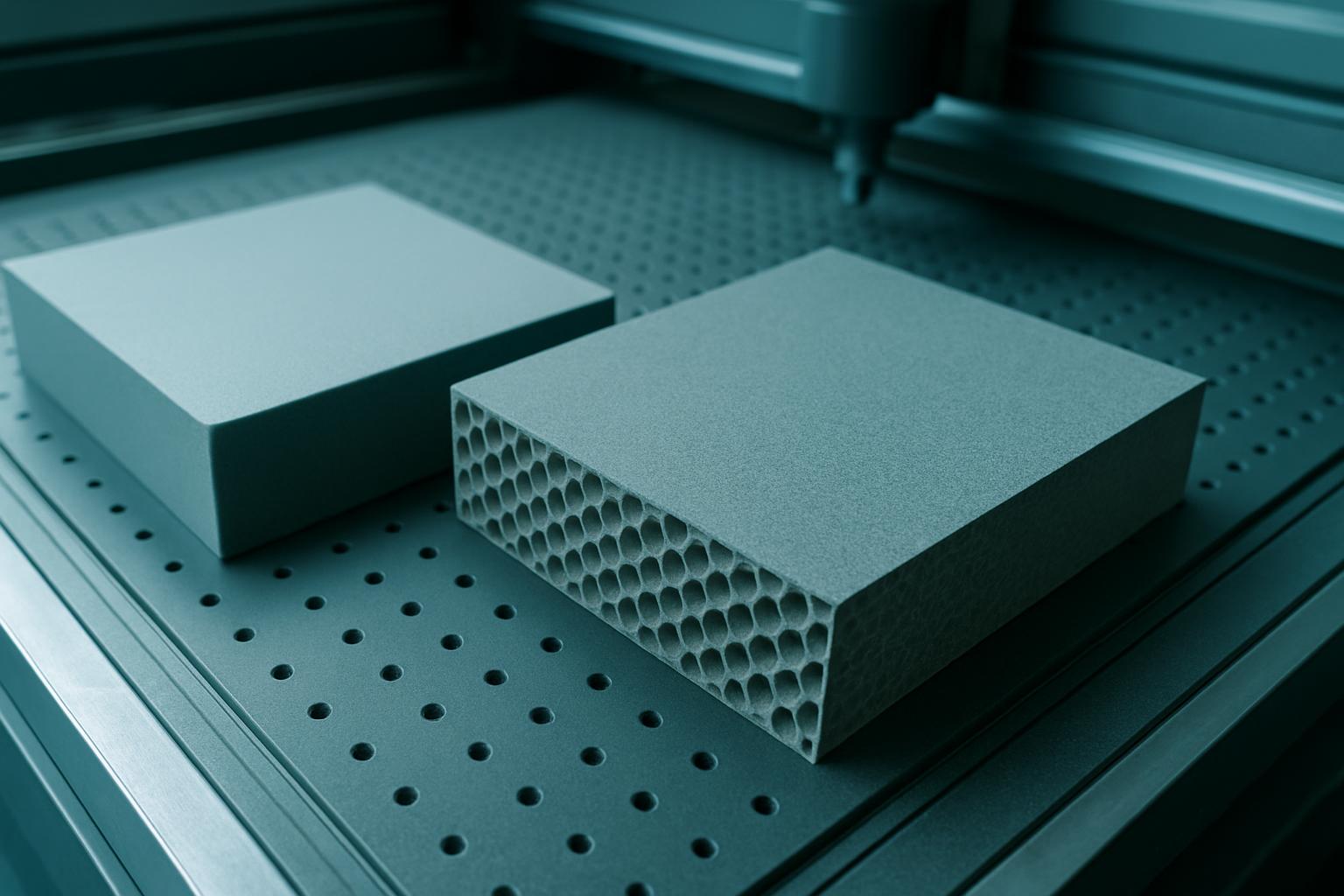
When preparing foam-core and acrylic packs for Durban, we always double-check how materials handle coastal humidity. Unlike the Highveld, Durban’s air can cause some core boards to warp if left unsealed overnight, especially if stands are stored near loading bays. On one recent job, we sealed all foam-core edges and wrapped each stack with plastic before loading. This small step kept panels flat and ready for assembly, even after a damp morning at the venue.
Another tip: always label each crate and bundle with waterproof tags, as paper labels can peel off in the coastal air. Before the truck leaves, we do a final walk-through to confirm that nothing is left unprotected. Skipping these checks can lead to delays or rework on site when panels do not align as planned.
Not every event or stand needs a custom overnight cut, but Durban expo packs like this suit organisers under time pressure who require precision-cut foam-core or acrylic, ready to assemble right off the truck. If you are based in KwaZulu-Natal or supporting a team setting up in Durban ICC, the Expo Centre or Gateway, this method suits tight show dates, limited venue access, and teams who cannot spare hours for trimming or recutting on site. Our approach does not fit DIY builds wanting to ‘make a plan’ at the last minute. It is best for owner’s reps, event contractors, museum fitters or agencies who can supply dimensions and a rough timetable upfront, even if the designs are not final.
For this project, the first step was a plain question: what has to arrive, where, and when? We built each crate plan around actual gate access at the Durban venue, the client’s available hands, and a realistic strike time. Labels went on every file pack, so the team on site could find each panel or bracket in a hurry.
Material selection was not a matter of what looks fancy, but what survives the trip and assembles cleanly under pressure. We went with locally-sourced foam-core for lightweight panels and South African acrylic for visible features or where more durability was needed. Nesting runs on our machines were mapped for overnight production in Gqeberha. Each finished piece got a wipe-down before packing. The job included a pre-arranged handover slot, so there was no standing around or rushed drop at the venue.
Fast exhibition builds in Durban, Umhlanga or Ballito depend on clear site details and timing sent upfront. Before any renderings, send two or three photos showing the actual entry points, lifts or load bays at the venue. Add a short note about who will be available to meet the delivery or supervise set-up on site. This approach avoids confusion and helps us plan for your real access conditions.
A drawing set helps, but if your files are messy or incomplete, send them anyway. We can pick out what matters and reply with a sequence you can check against your timeline. Silence on job constraints leads to expensive rush fees or late-night fixes, so list the non-negotiables right away.
Venues in Durban and across KZN each come with their quirks. Power cuts or outages sometimes mean you need to share sockets or hunt for extra extension leads. Access times are often tighter than expected, and the person meant to meet you might only turn up once the stand is half done. We have seen teams lose hours to mixed-up crates, missing fixings, or a helper who does not understand the packing order. In other cities like Mbombela, Bloemfontein and Cape Town, similar problems crop up: plans that are too optimistic and hidden site headaches.
We keep our own running fixes sheet after each event for this reason. That sheet is not a show-off, it just lists what nearly went wrong, and the one-sentence solution we actually used, so the next team does not stumble over the same stone twice. Teams who supply honest site details and clear constraints see less wastage, fewer late nights, and less finger-pointing when the lights go out at strike.
A client based in Gqeberha needed foam-core panels and acrylic features delivered overnight for a Durban exhibition stand build. They emailed their rough drawing set and two phone photos of the conference room access route. Our team proposed a packing order to match the client's build sequence, and labelled every pack with part codes matching their files.
We confirmed the available load-in slot, packed the crates for single-person handling, and sent an itemised handover sheet. The result: the build team in Durban unpacked and slotted the pieces on schedule. No time lost fetching missing parts or explaining code names. If your team needs a similar result, whether for Bloemfontein, Pretoria or a KZN coast site, contact us first with your constraints so we can plan the right machine path.
If you want to see how we handle varied builds, have a look at our Bloemfontein staging, Stellenbosch furniture run or Roodepoort façade pack. For shopfitters and signage teams, compare with the Paarden Eiland shopfit or Umhlanga PPE screens briefs. When you send us your project outline, we will reply with a step-by-step plan tailored to your site and timing.
Verified Google reviews