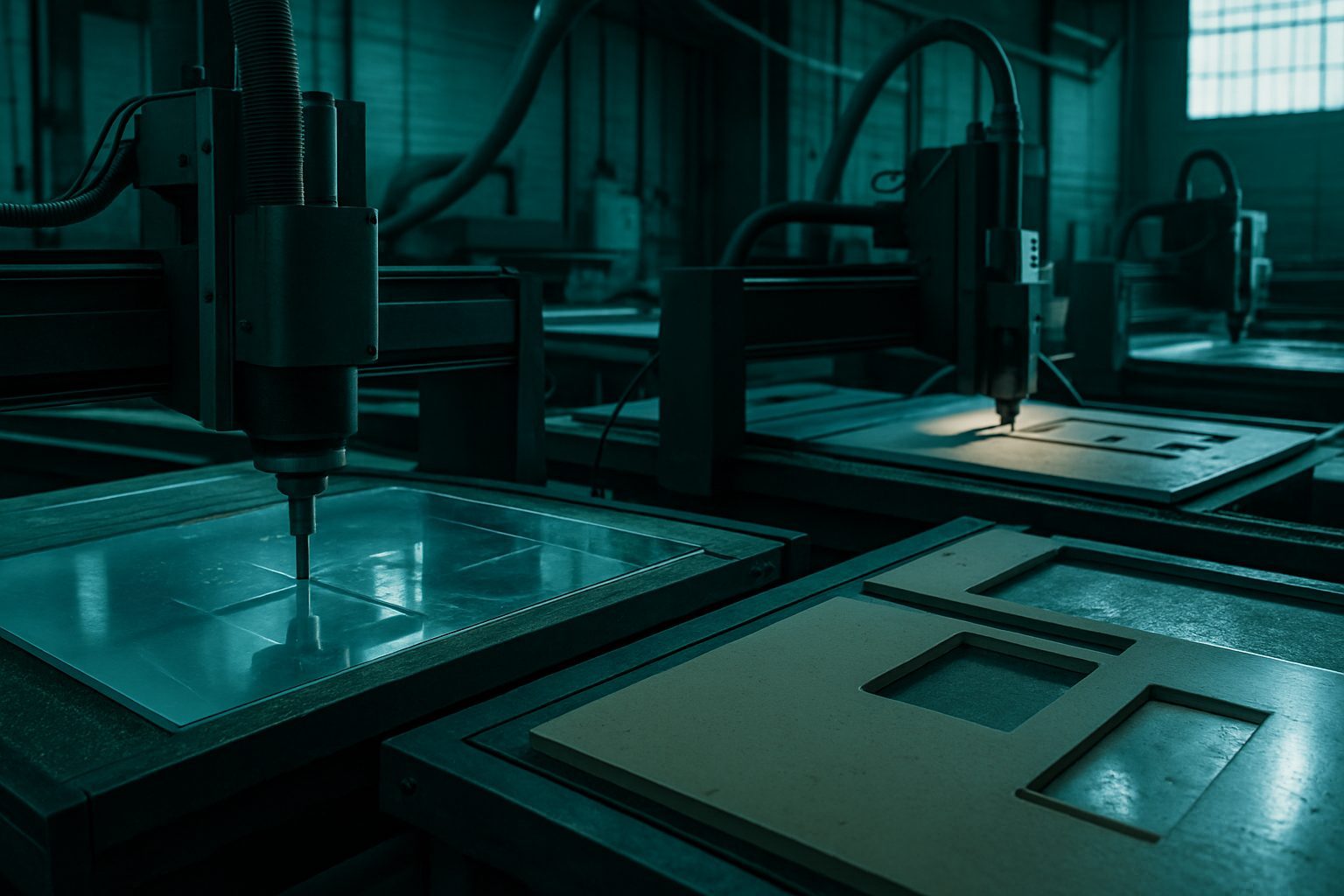
Compact bay
Workshop Compact covers CNC bays built for education spaces and compact production zones. Here we show where each fits, when to choose or avoid, and how real teams work with them.
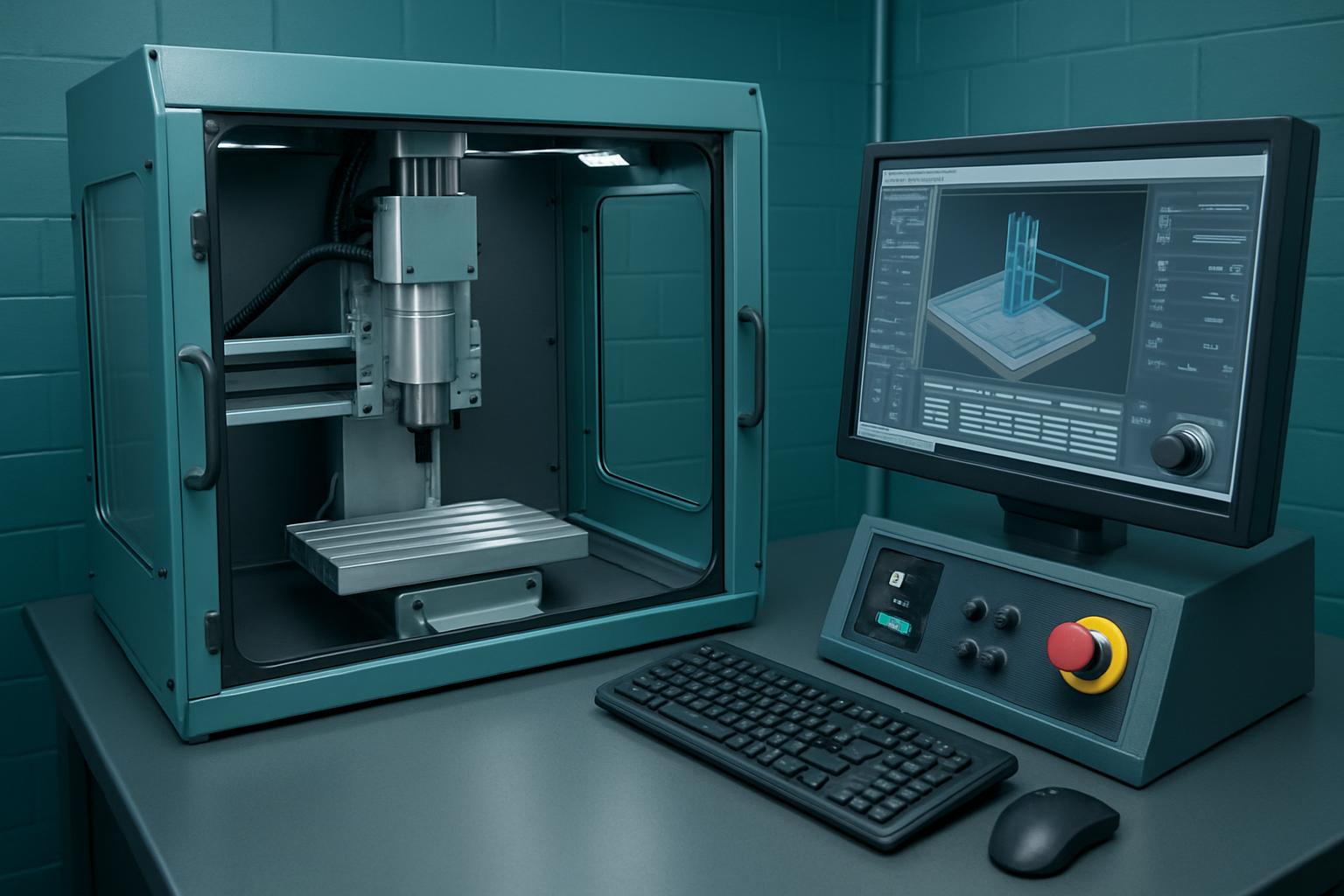
A recent install at a Germiston high school showed how Workshop Compact fits real South African conditions. The team needed to fit a CNC bay into a 3.5 by 5 metre storeroom next to classrooms, with frequent municipal outages and only single-phase power. We walked the site, checked the available amperage, and tested noise levels with the classroom doors closed. The bay was set up with dust extraction and simple acoustic panels, making it possible to run lessons without disrupting maths next door.
One mistake often seen is skipping a dry run with test materials before the first lesson or production job. Always check that the bed can handle your full panel size and that there’s enough clearance for safe loading. In this case, the school marked out a clear loading zone on the floor and trained all staff on emergency stops. These steps kept the workflow safe and the install trouble-free, even during unexpected power dips.
Not every floor has a 3 m bed. Workshop Compact brings honest nesting into a smaller footprint.
| Bed | 1.2 × 2.4 m |
|---|---|
| Footprint | Compact bay |
| UI | Teaching-ready |
| Tools | Shared library |
| Use | Education & SME |
Workshop Compact is our most space-efficient CNC bay, designed for schools, technical colleges, and small production environments throughout South Africa. We explain how Workshop Compact operates, what makes it different from other compact machines, and address practical fit questions for teams in Gauteng, the Western Cape, and industrial parks across the country. Whether you are setting up in a classroom, a startup’s compact workspace, or squeezing in beside busy three-phase lines, these units meet the brief without taking over the floor or pushing up your power use.
You will find links to Workshop Compact specifications, nesting and fixture details, as well as service support and comparison pages for ProfileEdge Router, AcrylicClear Cut, and FoamCore Nest.
Our regular buyers are school trainers, college technical leads, and operators managing short-run production, with many based in Cape Town, Polokwane, or Bloemfontein. Typical applications include STEM classes, prototype development, and lighter daily runs where space, sound, or available power are limiting factors. Workshop Compact is our first choice when benches are under four metres, noise affects neighbouring rooms, or regular power cuts make larger machines impractical.
If a team needs fine-tuned aluminium profiling or larger runs for commercial orders, we usually steer them to the Aluminium Plate Bay or MultiSheet Nest. Picking the right bay the first time lets your team organise better and avoid after-hours rework.
We advise you to write down your key operating constraint before you shortlist a bay. Not every project fits Workshop Compact. Review the specifications page to confirm envelope, spindle, and material fit for your setting. If you need quieter cuts, cleaner finishes, or a smaller footprint, compare the FoamCore Nest or AcrylicClear Cut before forcing a solution that later bottlenecks your team.
Teams that skip constraint listing usually pay in rush handling charges or must schedule a second visit to meet their needs. Send us two photos of your site, your city, and a rough window for your programme through our contact form. We document all settings, feeds, and floor notes for easy handoff to the next shift.
A big cost our team sees is trying to make a machine fit a room or programme it was never built for. Forcing a fit leads to emergency callouts or expensive reworks, especially during exam terms or contract deadlines. Do not rely on past projects unless the constraint map matches, each school or workshop is different, from Gqeberha’s coastal humidity to Highveld dust in Germiston.
Skipping a site visit or a layout sketch is another frequent misstep. If you are in doubt, you can book a demo at Isando or email photographs through our contact form. Our notes show exactly what went wrong last time on similar briefs, so your team does not repeat the same oversight.
Every Workshop Compact install includes basic documentation of settings and handling, focused on handoff between shifts or operators. Our team answers support queries during South African working hours, usually by phone or email, not through ticketing or web forms. We keep short internal notes on what failed in past installations, so your kit arrives ready for use, not another afternoon of benchwork.
We recommend reading both the machines detail and a recent project story before you finalise your order. This approach gives you both the specifics and on-floor experience you need to brief your own team and avoid common pitfalls.
Verified Google reviews