Industry
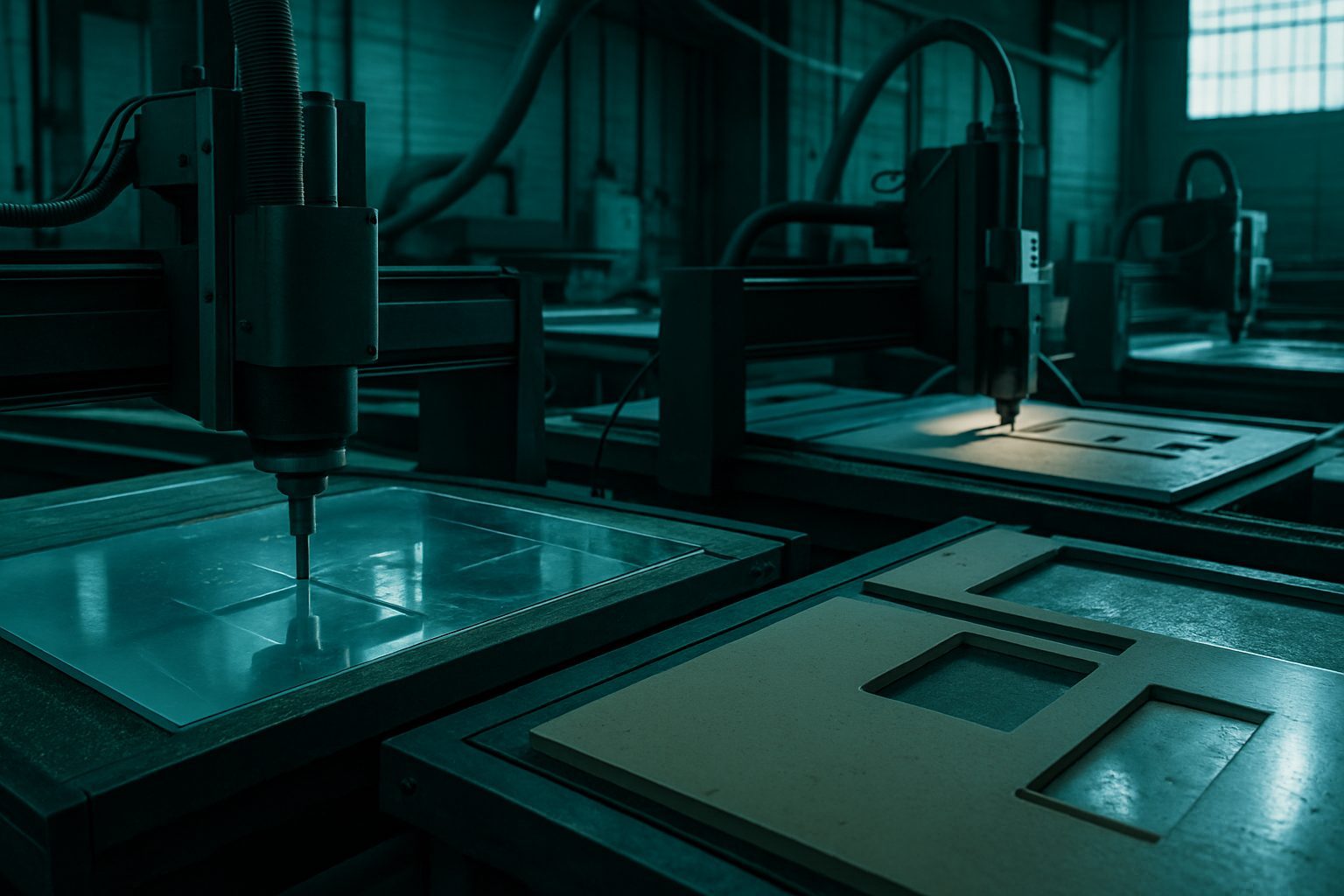
We help TVET colleges and university workshops set up CNC bays and ready-cut projects students can safely use from day one. Expect clear advice on safety, machine setup, and the right constraints for your team.

When your education workshop handles both metals and composites in the same bay, planning the workflow is crucial. We have seen setups where the lack of clear separation between aluminium and MDF cutting led to cross-contamination, unnecessary tool changes, and extra cleaning. The best approach is to designate clear zones or time blocks for each material, and to use colour-coded storage for offcuts and consumables. This keeps projects on track and makes it easy for students to follow safe handling routines.
A common oversight is forgetting to check the extraction filters after switching materials. In coastal regions, especially, fine MDF dust can clog extraction far faster than expected, especially when combined with humid air. Set a routine to inspect and clean filters after each session with high-dust materials. This small step prevents downtime and keeps your bay safe for the next group of learners.
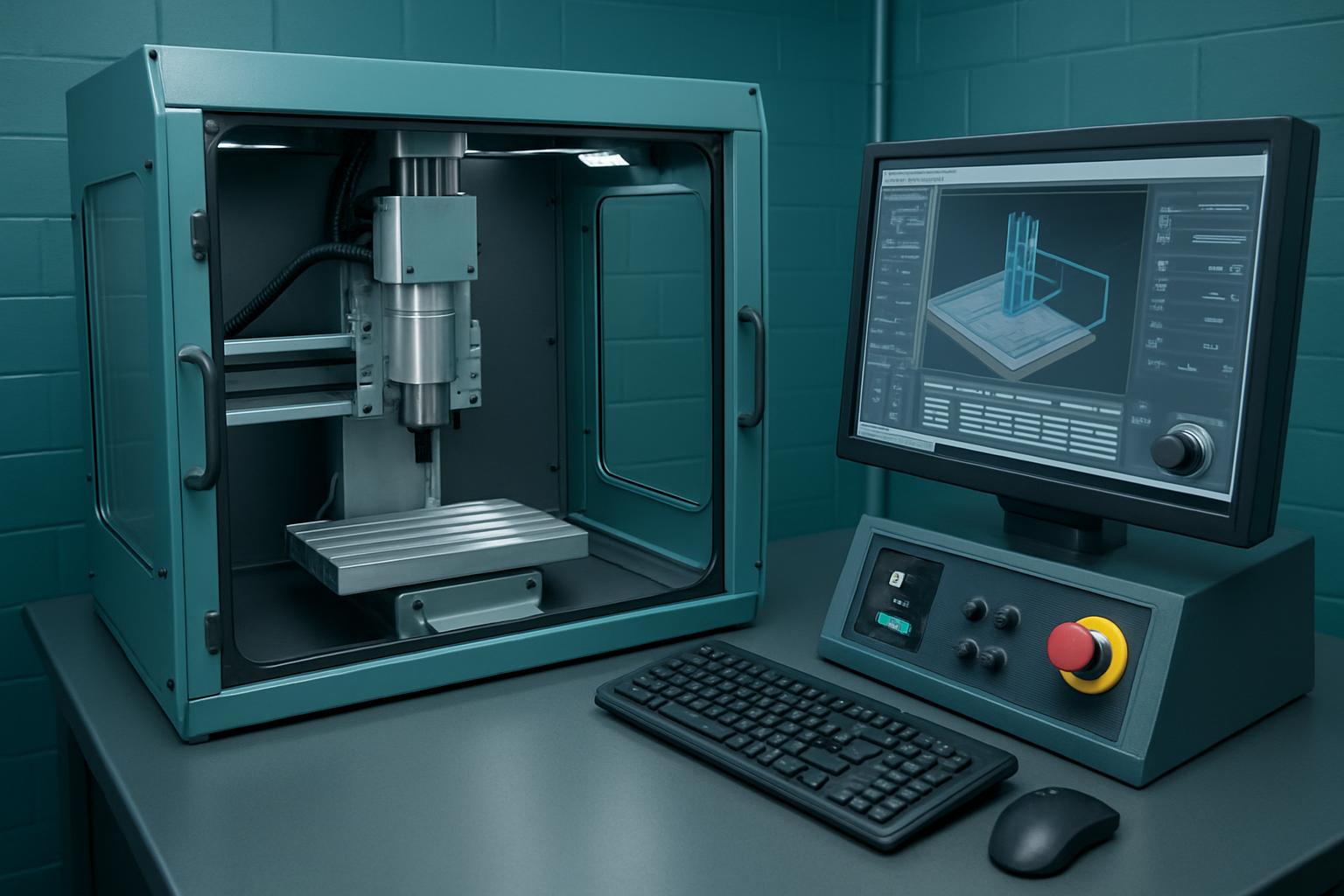
Compact CNC bay for education workshops and small production cells.
Explore →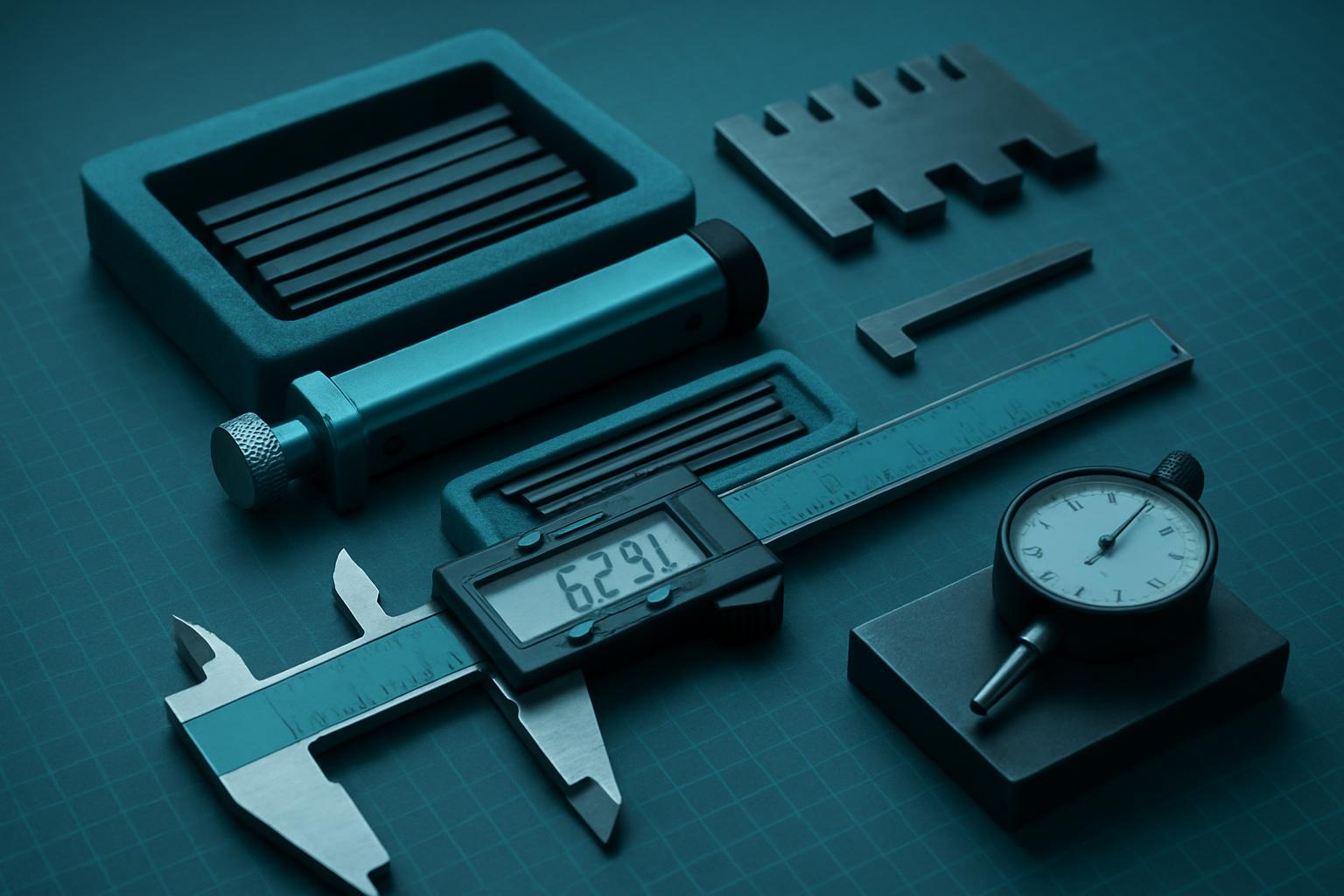
Kerf coupons, calliper kits, and nest reports so cutting stays within drawing intent.
Explore →
Fast-turn sample bay for fit checks, jigs, and the first confident production nest.
Explore →South African TVET and university workshops face a handful of common headaches: new operators who need forgiving fixtures, safety guards that never quite line up, and briefs muddied by missing constraints. Our team focuses on project setups that start with student skill and finish with parts that leave space for teaching, not just assembly. The trick is writing down the project constraint before anyone talks about finishes, devices, or machine time. A missed constraint costs both the lesson and the budget. We supply machine-ready cut parts, check feeder settings, and include extraction and guarding advice as standard, so students and instructors do not lose time or nerves.
The aim is not only smooth handoff to the next step, but a system that copes with Highveld dust, variable three-phase, and the general unpredictability that comes with new learners and practical training. Our work is best suited to faculty or workshop managers who want to avoid a second round of cleanup or retrofitted guarding. This approach will not suit teams who want to improvise on the fly or who skip the planning stage - our method expects the brief to be plain from the start.
We start by asking for the student skill level, the list of machines in play, and any known workshop constraints such as ventilation, power taps, or security. You do not need a polished CAD set or a block plan to get going, but clear photos and a rough window for delivery help our planning. If you can send a sketch or layout, even if it is scrappy, include it. We keep a running note of what has gone wrong on similar education jobs, from Durban to Bloemfontein, so we can flag common misses early.
Our process runs on checklists and named responsibilities, not on slogans or vague handovers. If there’s an uncertainty - like whether extraction fits with the new bay divider - we mark it and confirm the detail before any stock is ordered. You will get a clear sequence to follow and a practical run of what happens in the bay. There is no point in sending parts if the guarding spec changed last week or the access route needs a new plan. If you want to see neighbouring sectors, browse the event staging or packaging dies sectors for how different constraints play out.
A public TVET in Pretoria approached us to help set up a sheet material cutting bay for metalworking skills. The brief listed three rotating staff, a student group keen on learning first principles, and an old extraction line that was due for an upgrade. The initial photo set showed a tight access passage and three non-matching benches. We replied asking about access for 2.4-metre boards and whether the floor spec would hold new mounts. The team sent a block sketch and marked out the student movement flow. Our checklist flagged the need for an extra guard, a debris bin, and a signoff from the teaching lead.
Delivery included cut aluminium and birch ply parts, each tagged for its place in the bay and a sheet noting which setup steps needed eyes from the teaching side. We kept extraction as part of the spec discussion. On the day, the new guard install took longer than planned but the teaching team said it's the first time a batch install matched the paper plan from week one.
You do not need a finished design or every photo on day one but supplying clear context helps us move past generic advice. Share your city, project timing, the main project aim, and the student skill level. If you can, add up to two photos of the intended bay or key constraints. If you have a rough drawing or past brief (no matter how rough), include it as well.
We reply from Isando nest bay most weeks with a proposed plan and checklist. If your education job has unusual needs - like listed building rules, special hygiene zones, or limited delivery slots - highlight that in your note. For urgent work, put the go-live date in the subject. Send your details through our contact form to begin. There is no web form to slow things down.
Most problems in education workshop briefs are predictable if someone asks the right plain question at the start. The big pitfall is skipping the constraint note - it leads to last-minute changes, extra site visits, and machines gathering dust while paperwork catches up. Do not assume the old extraction will fit new panels, or that student movement lines are obvious. If there is doubt about ventilation, landlord rules, or floor loading, flag it early.
We have seen jobs around Worcester and East London where late access checks meant waiting on a municipal pass or reworking a delivery route. Email early, even if the detail is light, and the plan will land better. If your site is switching between materials or machines, see our machines or finishes guides, or browse adjacent industry examples for a sense of how different constraints drive the process.
Verified Google reviews