Get hands-on support, training, and practical care for your Workshop Compact. Here we cover who benefits, what to prepare, and how service works across South Africa.
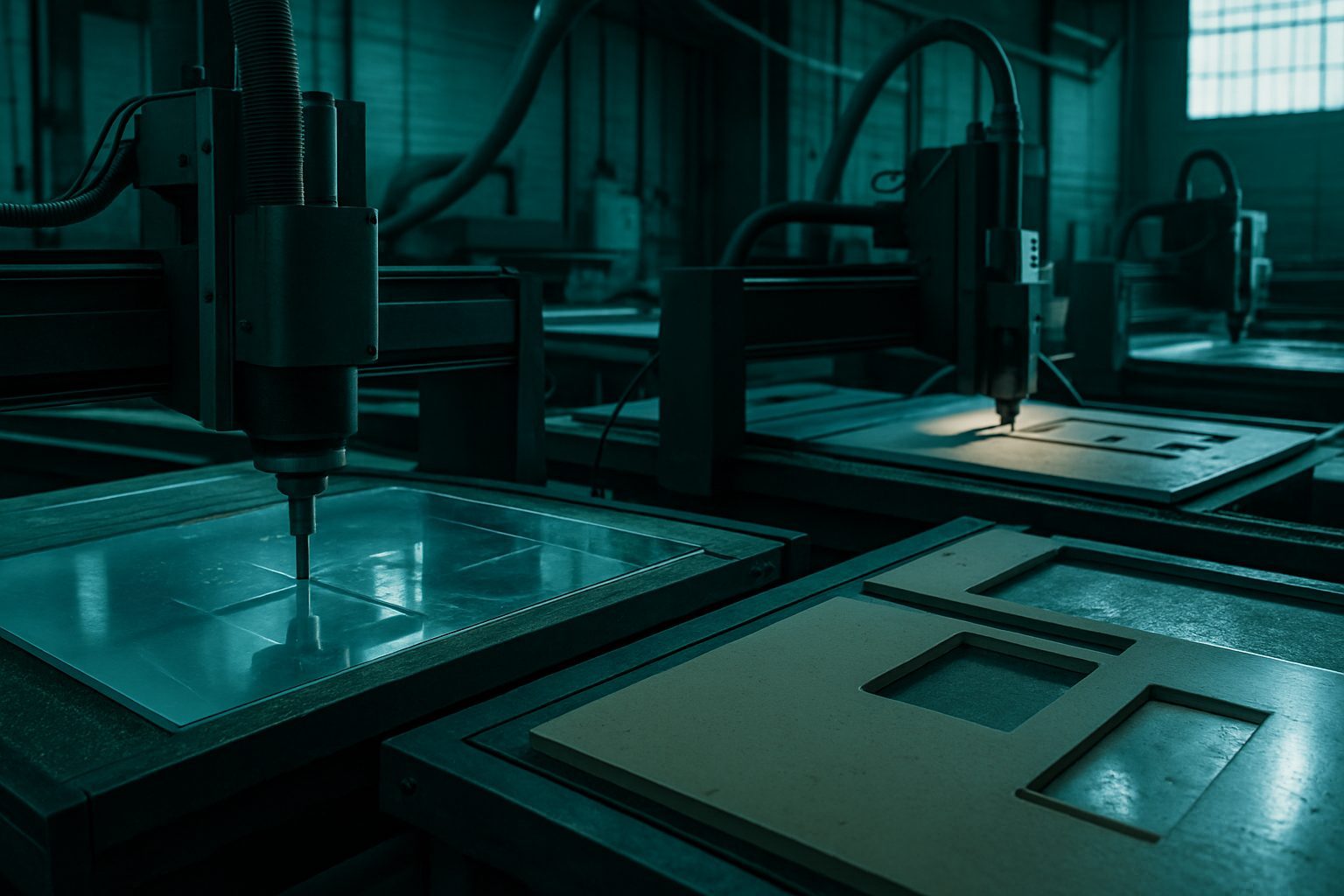
A common issue we see is overlooked dust build-up around the Workshop Compact, especially in high-traffic bays or when cutting MDF and foam. Dust not only affects cut accuracy but can also clog extraction systems and reduce spindle lifespan. Before starting a production run, take five minutes to check that filters and ducting are clear, and that airflow around the machine is not blocked by offcuts or packaging. This quick check prevents overheating and keeps your finish consistent.
One mistake to avoid is running the Compact with extraction off during short jobs, thinking it saves time. Even a single batch can leave fine dust on rails or sensors, leading to tracking errors or rough edges. Make it routine to run extraction, and schedule a quick sweep-down between batches. This simple habit helps avoid downtime, especially in busy Joburg or Durban workshops where dust and humidity can combine to cause problems.
Industries · Blog · Contact us.
See support and kerf log template. Use our contact form.
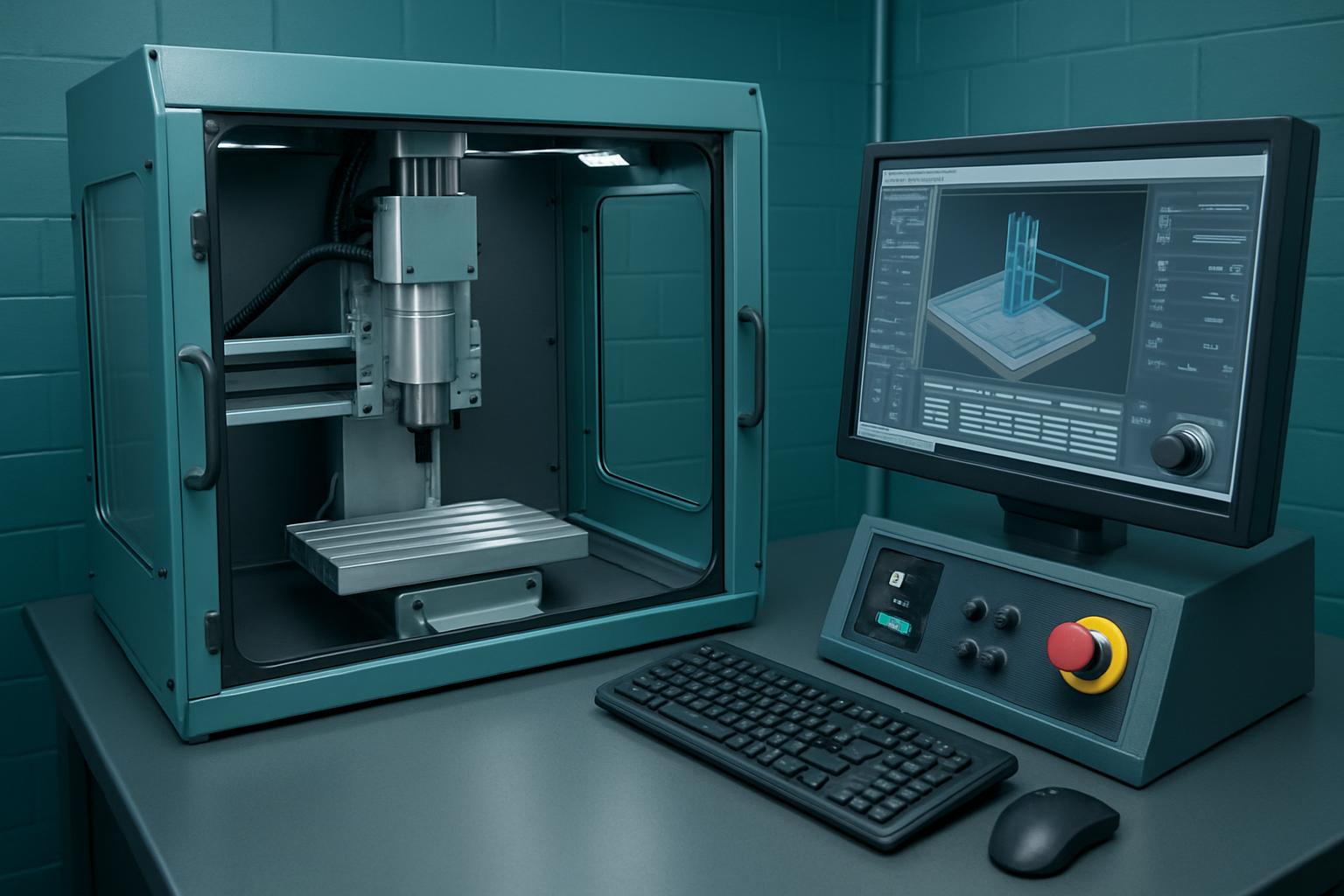
The Workshop Compact service suits teams using or about to use a Workshop Compact in a typical South African workshop or small production bay. We centre on hands-on training, focused machine care, and practical support across towns from George and Gqeberha to Gauteng. Our staff deal with everyday challenges, from Eskom outages to how coastal humidity affects aluminium. This service is more than just a formal installation. We give direct, practical guidance, whether on-site or remotely, to keep your machine running smoothly and your crew working confidently, so you can move parts from nesting to the next bench without delays or extra cleaning.
This service suits fitters, machinists and supervisors who want clear instructions and low drama. Small to medium businesses working with tight staffing or variable shifts usually see the most value. If you only operate one Compact every few months, or your site cannot support 230 V or three-phase supply, the benefits are limited. For high-volume, multi-machine setups, or if your operator turnover is high and you need regular retraining, chat to us about custom visits first.
Workshop Compact service works best for South African workshops who want quick handoffs and machines that keep running without surprises. If your shift needs a custom fixture, or you handle a mix of aluminium, MDF, and plastics on the same line, our advice and field support keep things moving. We often help teams in industrial parks around Polokwane, Durban, and Bloemfontein who cannot always fly in outside contractors or wait for next week's slot.
On the other hand, businesses with deep in-house CNC skills, or those able to absorb trial-and-error downtime, may prefer to run independently. If your process depends on imported consumables not stocked locally, we might not always solve the spares pinch. Still, if you want to test a new finish or avoid past errors, our Workshop Compact nesting & fixtures and finishes guide also support your crew.
Our field support is practical and site-specific. We start by finding your main constraint, whether it is power, floor space, operator skill, or material mix. We are upfront about what your workshop and people can manage, especially in places where power cuts or building supply problems crop up. Support often begins with a simple email, two photos, and your timing needs. After that, you get a straightforward step-by-step plan, plus in-person training if booked.
If you are near Kew or your venue schedule is flexible, try-on sessions can be arranged most months. For rural or coastal sites, field support often means detailed remote checklists, care routines, and advice on swapping parts, rather than waiting for someone to drive in from Gauteng. We keep notes on common failures in local settings, so what tripped up another team in windy Highveld or salty Sea Point gets flagged early. The aim is to keep your Workshop Compact ready for the next operation with as little rework as possible.
A Gqeberha cabinet maker running a Workshop Compact struggled with inconsistent nesting on high-humidity days. The crew could not get repetitive, accurate cuts on 12 mm plywood, and downtime was eating into delivery windows. They emailed us two site photos and a list of recent wastage. Our operator reviewed the constraint, local humidity and a dull bit, and sent steps to check spindle speed, test an alternate nesting, and prep parts for dry storage. The office followed up with a checklist for future maintenance.
Within a week, the team cut their scrap rate and kept product moving, even as coastal weather swung. This was not instant magic. It was a series of practical tweaks, reminders about finish handling, and a phone call when a new issue cropped up. No one waited for a technician to drive in from Cape Town, and production stayed on track with what the crew had on hand.
Getting the basics clear upfront helps a lot. Before you contact us, jot down your main problem or what you want to achieve. Are you dealing with outages, recurring cut issues, or trouble with a certain material? Attach any drawings or spec sheets you have, even if they are rough. A few phone photos of your workspace and a note about your finish or fixture plans save everyone time. Timing is important, so include any key deadlines or upcoming batch runs.
You do not need a polished report. Just focus on what blocks progress, what local variables (humidity, dust, power shifts) are in play, and who will run the Compact day to day. If you are not sure what matters, send the basics and ask. We would rather have a plain question and the right fix first time.
Biggest pitfall? Teams skip writing down the key constraint and chase specs instead of reality. This leads to last-minute rush fees, double work or a second field call. Another common error is picking a finish or fixture that your crew cannot support without specialist help, which means downtime when jobs queue up. Overfitting the setup to a perfect catalogue example, rather than your actual daily mix, usually backfires.
Avoid these problems by matching your needs to one of the option rows on our Workshop Compact specifications page, even if your numbers are not exact. If you are between two choices, stick with what your local team can operate and maintain without outside help. For anything unclear, an email through our contact form beats another wasted afternoon. We keep your history in mind, so lessons from last season or a neighbouring city help you dodge known headaches.
Verified Google reviews