
Industry
We cut acrylic and polycarbonate panels for PPE stations, machine guards, and safety screens. Each part arrives ready for fitment, without the stress cracks or rough edges that slow installations.
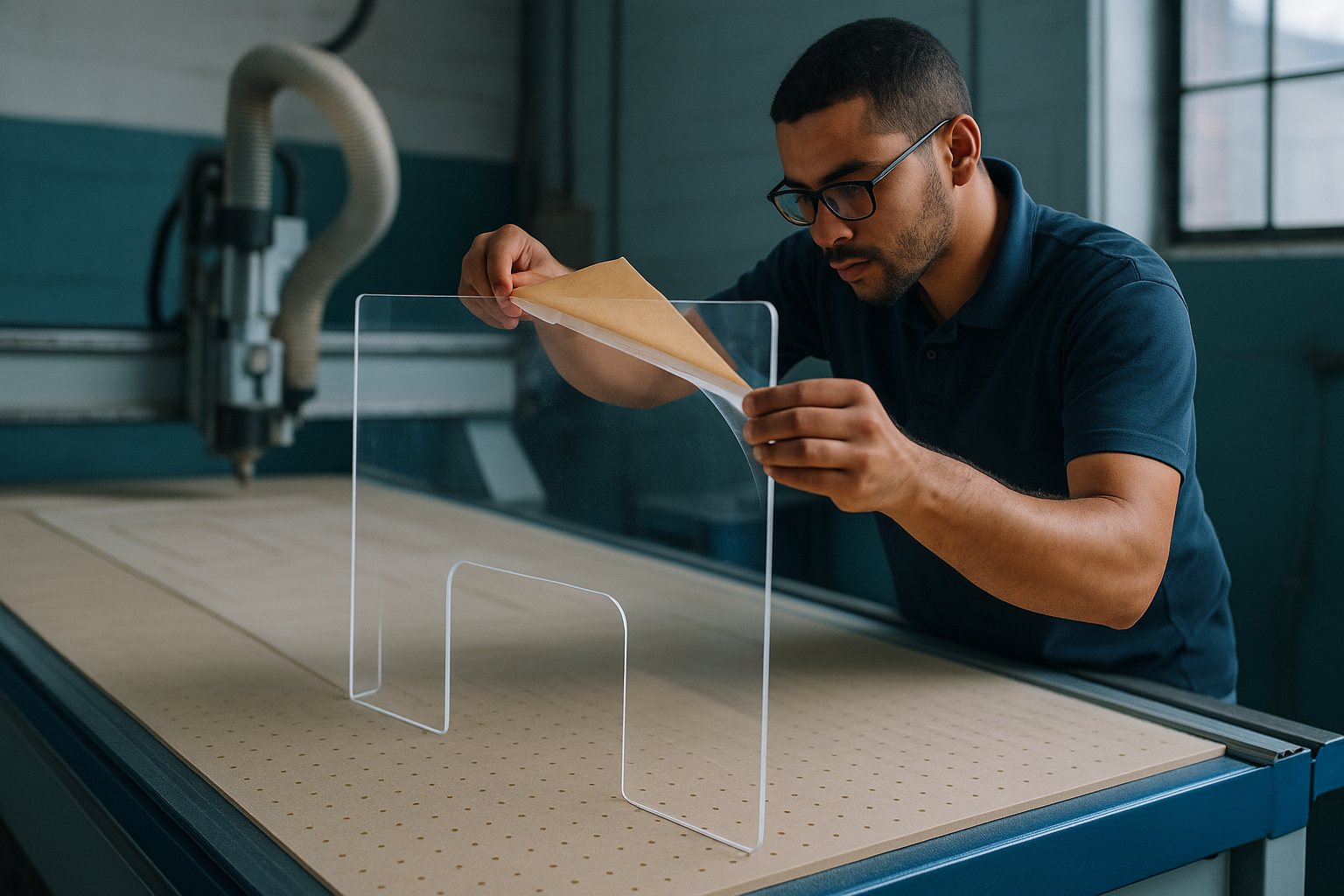
A common mistake on PPE panel jobs is not checking the mounting surface before briefing the cut. For example, a food plant in Durban once sent us a spec that matched their old guards, but the wall had a slight bow from past repairs. By flagging this with a quick photo and straightedge, we could adjust the panel edge for a flush fit, saving their team a full day of on-site trimming.
Always check for uneven walls, protruding pipes, or older mounting holes before finalising your order. A five-minute check with a level and tape measure can prevent a lot of rework. This is especially important in older factories or clinics where nothing is quite square. Making these checks part of your process helps you avoid last-minute changes and keeps your installation on track.
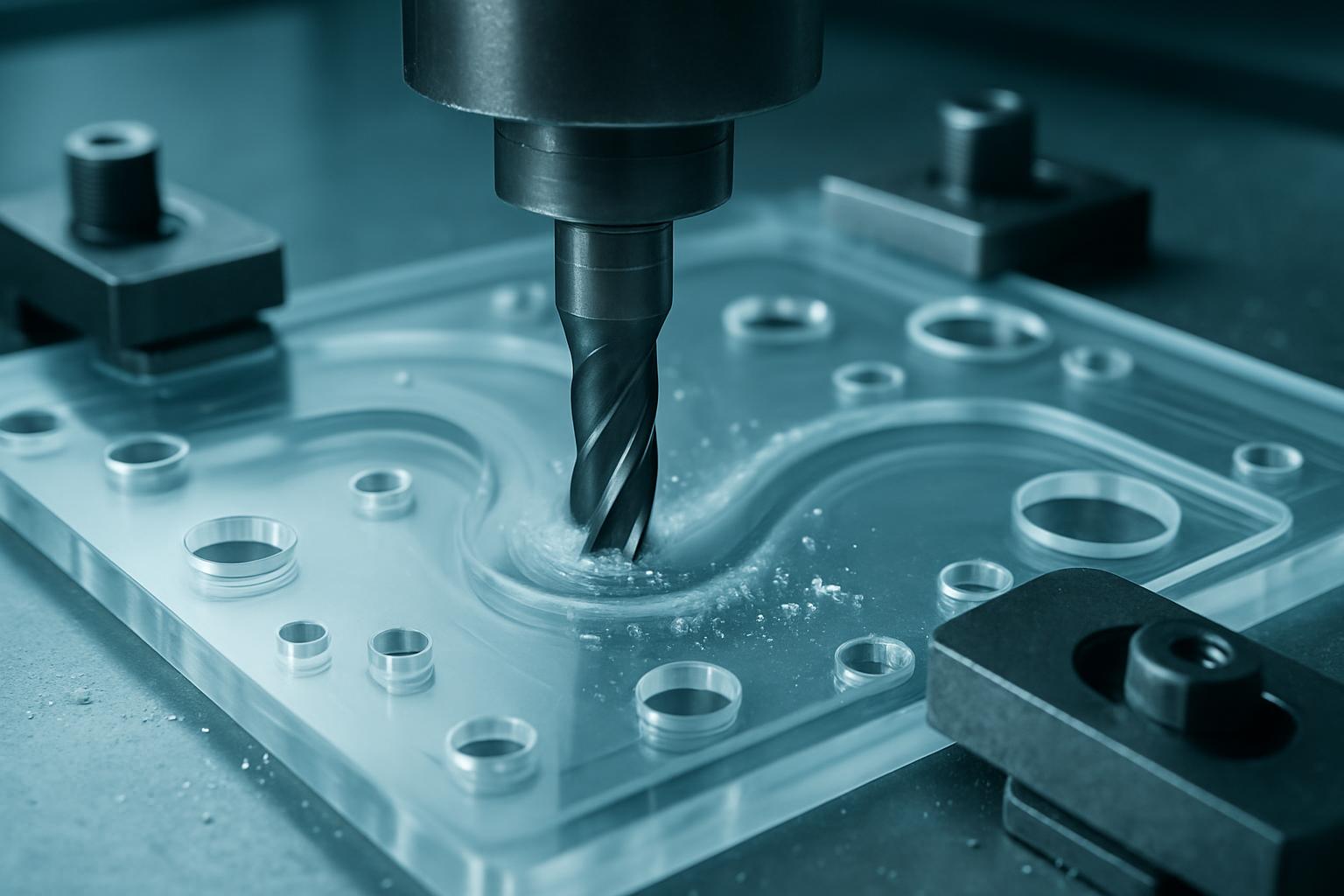
Flame-polish ready acrylic cutting with soft fixtures that leave faces unscuffed.
Explore →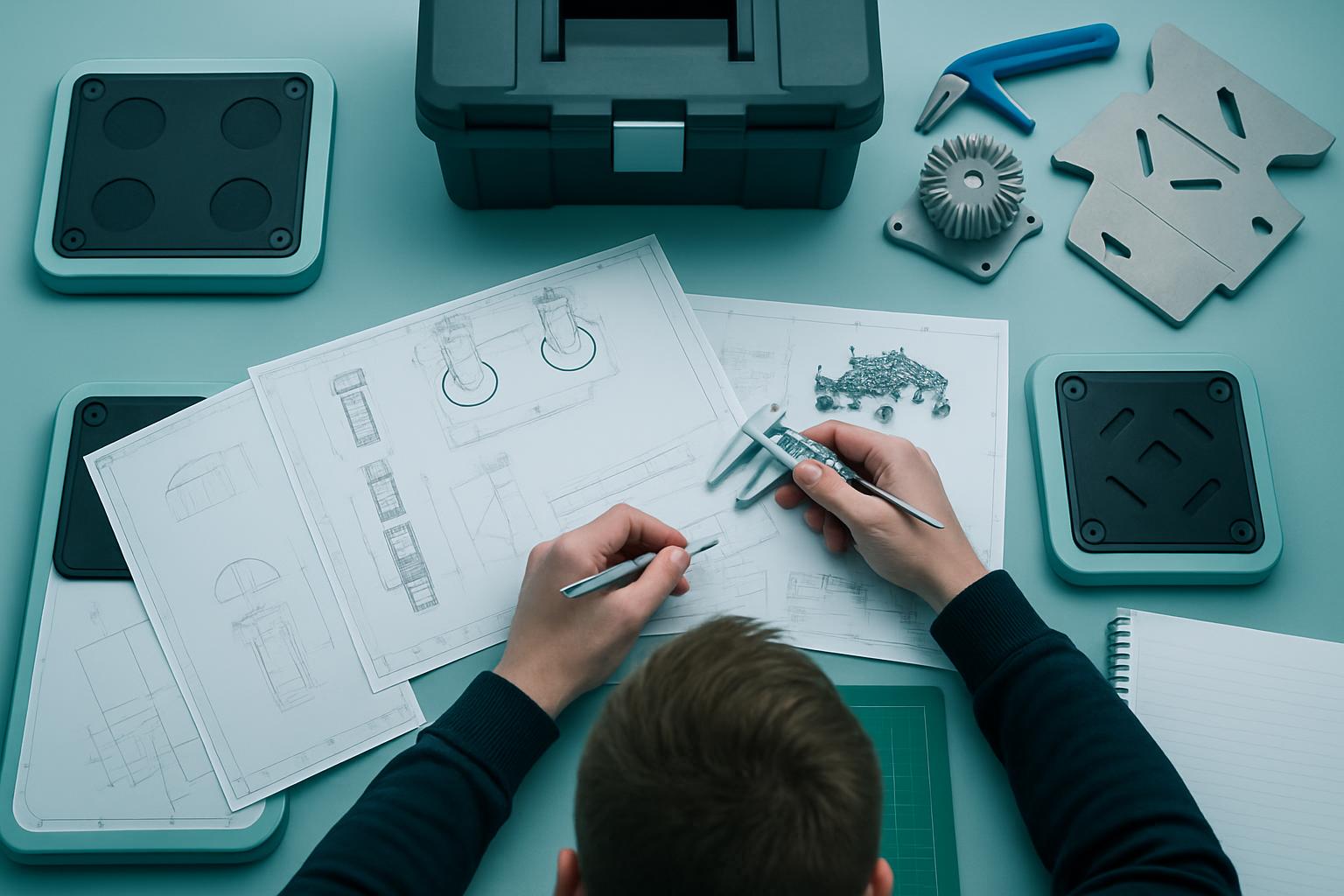
Zoned vacuum fixtures and soft pads that hold sheet without scuffing faces.
Explore →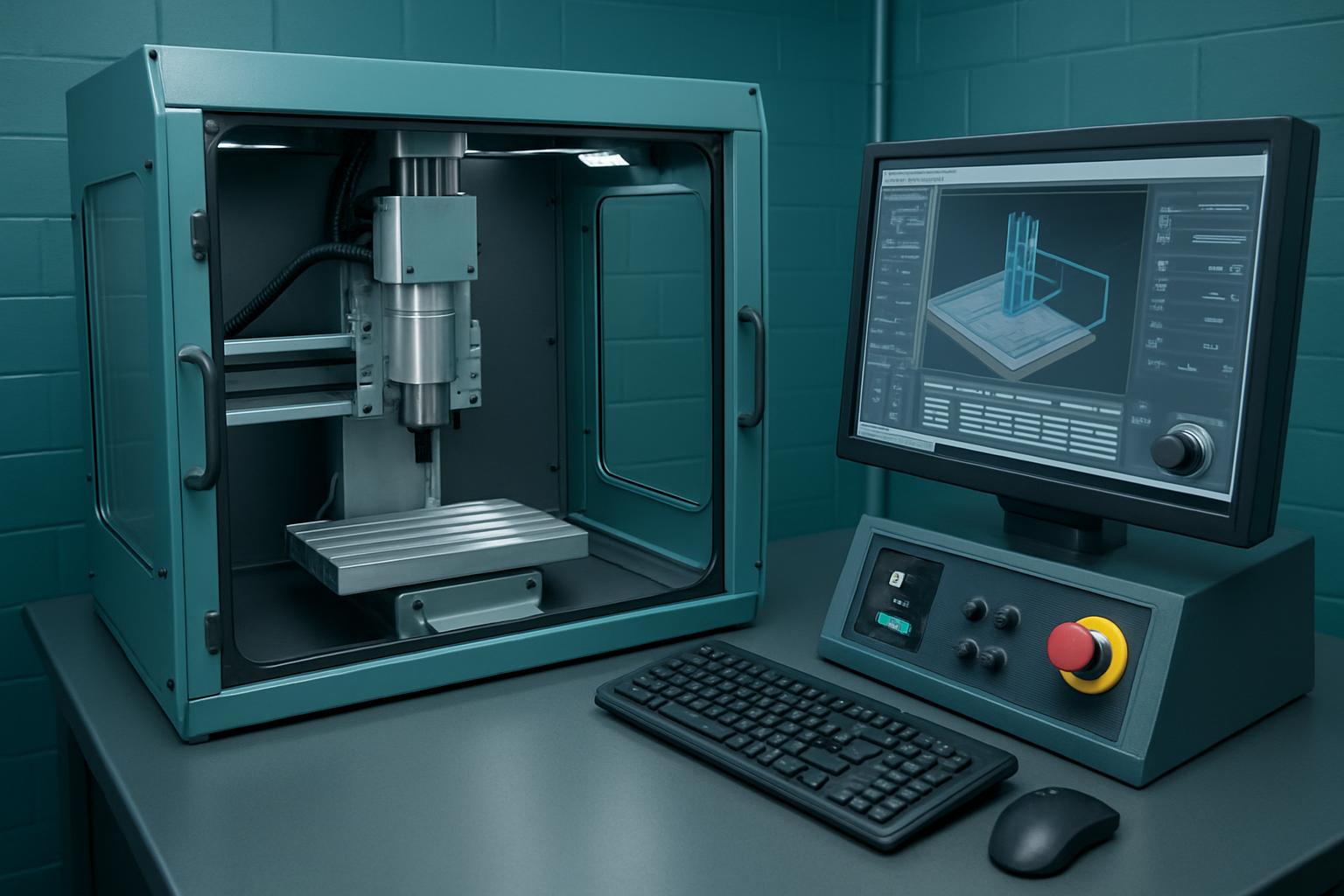
Compact CNC bay for education workshops and small production cells.
Explore →If you work with PPE screens, machine guards, or hygiene dividers in factories, clinics, or food plants, you know how important a precise fit and a clean finish are. Our panels are used by outfitters setting up staff areas in Midrand, food packers installing cleanroom windows in Gqeberha, and machine shops across Gauteng needing guards that hold up in tough workshop conditions. The same panels are found in retail, schools, and HVAC sites, where compliance, hygiene, or power interruptions can put pressure on deadlines. We cut for central city jobs, remote sites, and everything in between, so you get parts that fit first time, wherever you work.
We are not the right fit if you need panels with embedded electronics, custom lamination for bullet resistance, or decorative etching for shopfronts. For those uses, talk to a specialist glass or security supplier. If your job is mostly about shape, hole patterns, and ready-to-fit durability, we can help.
Panels from our Sunnyrock cutting floor are made to match your drawing and your site’s conditions. We set spindle and feed rates to suit polycarbonate and acrylic, keeping stress cracks away even on tight hole layouts or slim flanges. This is critical for screens that see regular cleaning, Highveld dust, or quick swaps during outages. You can order one panel or a stack, and we label each piece to match your fitment list. We have handled jobs in George’s humidity, Polokwane’s fine dust, and Bloemfontein’s dry winter air, so we flag the right finish for your local conditions.
We also avoid hidden surprises later. Our quote sequences show the hole layouts, hardware points, and edge finishes you can expect. Each job log notes the timing, the city, and any access constraints up front. That keeps your PPE upgrade or safety inspection on track, even if you deal with after-hours shifts or tight access.
Start by emailing your location, fitment deadline, and the best sketch or photo set you have through our contact form. For a real-world example: a Gauteng packaging plant needed clear guards for three machines after an audit flagged exposed pulleys. They sent us photos with tape measures, a quick hand drawing, and the authority’s spec for finger guards. We replied the same day with a checklist and timing options.
After confirming constraints (panel thickness, hole spacing, and the adhesive’s chemical resistance), we profiled polycarbonate to size, leaving edges smooth to touch but not over-polished, for site safety. Hardware holes matched their spec to save bench time. The guards arrived labelled per machine, and the plant’s team had them installed before the next audit round. That job also flagged a note on tight cable access, so next time we will ask them about harness routing sooner. Practical feedback like this shapes our checklists for future PPE & safety panels jobs across South Africa.
Clear information at the start makes the next steps accurate and quick. Even a quick phone photo with a tape measure in frame is better than guessing. A fitment drawing or the authority’s hole pattern standard is best, but we understand if your only map is a marked-up printout. Telling us your city and install date window helps us flag power or transport constraints that affect the timeline. If you know the required plastic (acrylic or polycarbonate), hardware type, or edge finish, add that in.
We keep notes for every job, so we do not waste hours repeating old mistakes when jobs come back. Mention if your site has limited access (high roofs in Durban, hygiene zones in Cape Town, or old lifts in central Joburg), so we can flag the right handoff. If your specification shifts, just let us know early; it is easier to re-sequence at the start than after cutting.
Missing constraints cause most delays - for example, if the hole pattern does not match your installer’s drill, extra time goes to rework. Incorrect panel material can mean stress cracks after only a few cleanings with strong chemicals, especially in coastal or clinical environments. Sending us an old photo with no measurements leads to costly second visits, especially at out-of-town or remote sites. Municipal compliance often requires specific edge finishes or fixing systems; if you are not sure, mention this up front and we can help match to your local inspector’s notes.
We mark all uncertainties clearly before spindle hours start, and we will never gloss over a spec that is beyond our machines. We work best when the briefing is honest, specific, and collaborative. When in doubt, ask for our list of machines or finishes - we can talk through whether a material or cut style will stand up to daily use in a South African PPE environment.
Verified Google reviews
