
Plate routing
Clean routing from 5083 or 6082 aluminium plate, ready for brackets, heat sinks or light structures. Practical detail here for Gauteng makers and national teams.
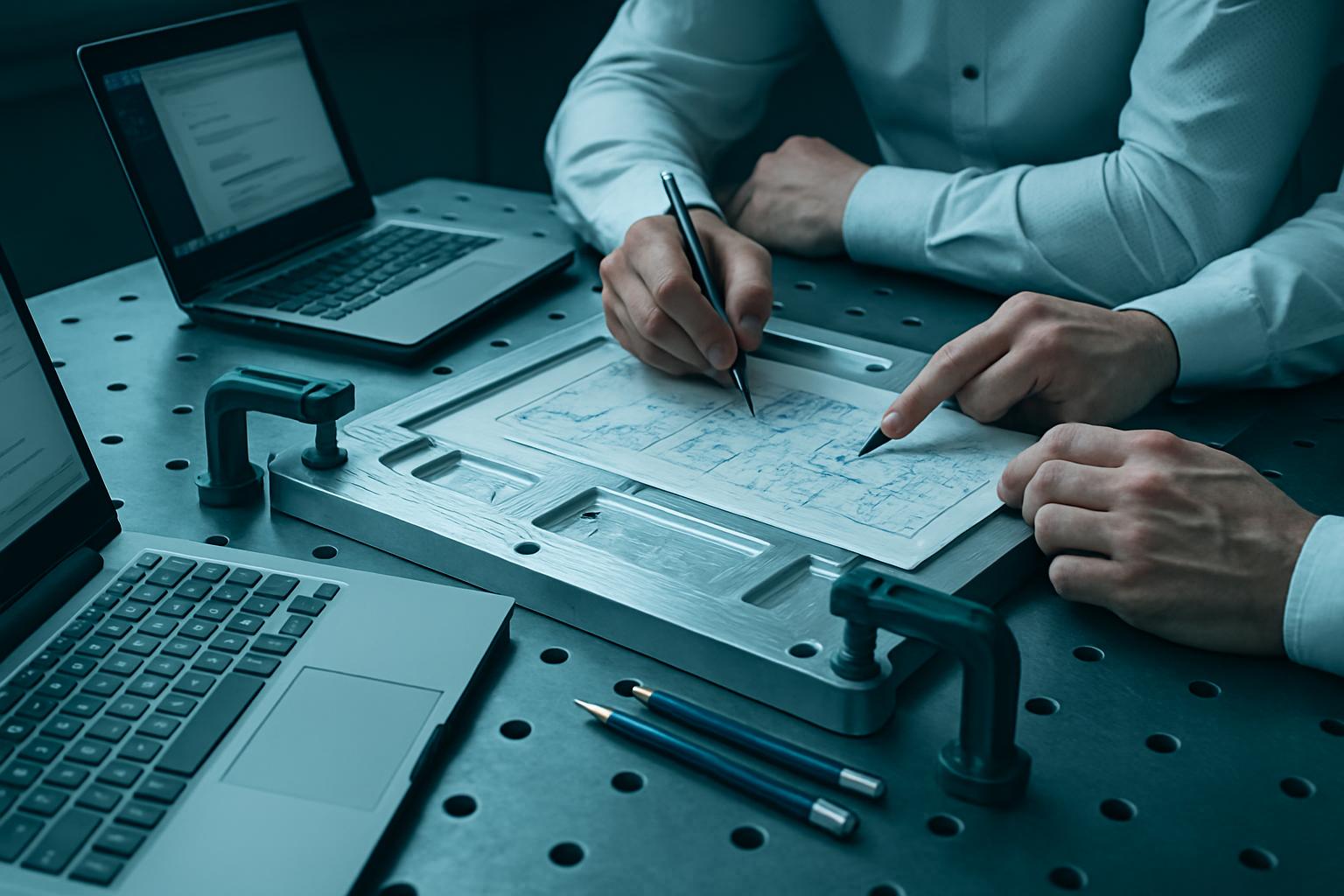
A common snag on the shop floor is plate warping, especially when routing large 5083 sheets during a Highveld dry spell or in coastal humidity. Before starting a job, always check the flatness of your plate against a straight edge. If the plate has a mild bow, secure it with extra clamps at the corners and midpoints. Our team often sees batches from Joburg that shift slightly after roughing, so we factor in clamp position and check for movement after the first pass.
South African workshops should also watch for changes in material behaviour after a power outage. If a machine pauses mid-cut, let the plate cool before restarting to avoid heat distortion. This habit saves time on rework and keeps your tolerances tight, especially on critical bracket jobs.
Prototype teams need plate parts that bolt up first time, Aluminium Plate Bay keeps tolerances workshop-honest.
| Plate | 3,20 mm |
|---|---|
| Alloys | 5083 / 6082 |
| Tolerance | ±0.15 mm typical |
| Coolant | Mist / flood |
| Use | Brackets & heat |
Aluminium plate routing here means real-world results on 5083 and 6082 alloys. We guide you through cutting brackets, heat sinks, and light structural parts with the finish and accuracy that let you bolt up on the first try. Whether you are fabricating in Germiston, shipping to the Cape, or working municipal jobs in Durban, every step is geared for a clean edge and the right size, so you skip extra benchwork. The machines, fixtures, and coolant setups are chosen to suit your job, not just the spec sheet. If you are after a unique finish or an off-standard thickness, we will point you to the right equipment for the task.
Most users are manufacturers, fabricators, or technical teams working with aluminium plate from 3 to 40 mm thick. These jobs turn up from Gauteng industrial parks, Cape Town tech start-ups, and Durban’s marine trade, anywhere a custom shape or mounting detail in plate is needed and the edge quality matters. You might be producing batches of brackets, assembling heat sinks, or building test rigs and frames. If you are briefing from outside the big metros, our team still expects clear site photos and any special handling notes so we avoid missed details. City site, coastal damp or Highveld grit each get factored into the process here.
Pick the aluminium routing bay that matches your main constraint, thickness, envelope size, run length, or noise. The core Aluminium Plate Bay unit handles most bracket and heat sink shapes for small to medium batch runs. For more complex nest layouts, the Aluminium Plate Bay nesting & fixtures page covers fixturing options. If your part needs finer profiling or higher precision, look at ProfileEdge Router or Precision Sheet Router. When footprint or site noise is the problem, the Workshop Compact handles lighter jobs with less fuss. Refer to the specifications page when you need max or min figures before booking.
Many teams skip writing down their main constraint, like overall plate size, finish spec, or the bolt centre distances. That’s how urgent jobs get delayed or cost more in extra rework. Forcing a fit between part and bay without matching the setup wastes spindle hours and sometimes a whole batch. Skipping the right photo or omitting handling details (site power, coastal humidity, or clearance limits) leads to headaches on delivery. It's worth double-checking your constraint list before you send a brief. If you need advice before locking the order, reach out early, our team sees enough repeat snags to flag the usual traps.
To stay ahead, check out the mix of machine details and real-world jobs on Projects or review the latest updates on Blog to see how recent briefs played out.
We keep internal notes on what tripped up previous aluminium plate jobs, date, type, and a short fix. It helps avoid the same snag twice, whether it’s a Gauteng batch or coastal order. First-time briefing? Two site photos and your timing window are enough to start. Once your spec fits a bay, our team documents settings and handling notes so your order is clear for the shift after you. If you want to see a process or check in-person fit, our showrooms and the Isando nest bay can help. For quotes or to discuss a part before you cut, send a message through our contact form. We are usually on hand during standard South African working hours.
Verified Google reviews
