Sign boards
Cut ACM, PVC foam, and timber sign faces with precision letter nesting to suit your project timeline. Teams rely on the SignBoard Profiler to tackle real workshop constraints and select machines that deliver clean, ready-to-finish signage every time.
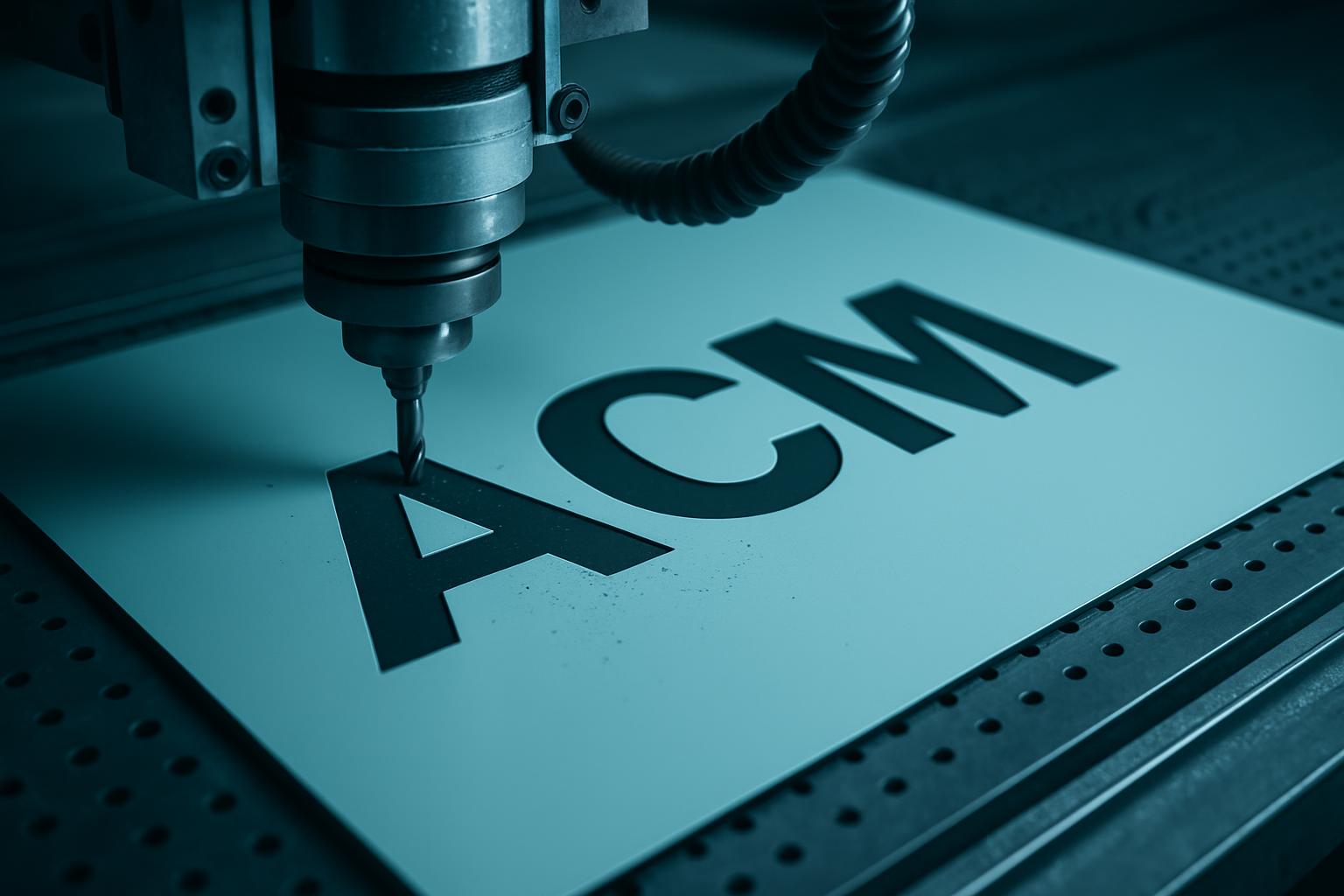
A common issue on the shop floor is edge chipping when profiling ACM sign faces, especially on humid coastal days. To prevent this, always check that the spindle speed matches the material thickness and that the cutter is sharp and suited for composite sheets. Operators in Durban have found that using a lower feed rate on thicker ACM helps keep the cut line clean, while in Gauteng’s drier air, static can pull dust into the cut, so regular air blasts between batches are helpful.
Before you start a production run, run a test cut on offcut material and inspect the edge under good lighting. If you spot any roughness or delamination, adjust your spindle speed or switch to a fresh tool. This step saves time on sanding and avoids rework, especially when tight deadlines and repeat orders are in play.
Industries · Blog · Contact us
Workshop managers in Durban, Gauteng, and coastal towns use the SignBoard Profiler as their default for cutting ACM, PVC foam, and timber signboards. It is best suited when you need accurate nested letters and shapes that are ready for paint, vinyl, or direct install. Most teams pick this route when repeat orders and fast turnovers are part of daily life. When your setup has a mix of large signage, open-bay handoff, and limited time to finish before the next job, the SignBoard Profiler usually keeps overtime out of your quote. Choosing the right bay or machine keeps your operators from running into bottlenecks, especially when deadlines close in.
SignBoard Profiler brings together practical profiling methods for ACM, PVC foam, and timber sign faces, focusing on true-shape letter nesting. Check the SignBoard Profiler specifications for size limits and cut precision, and see the nesting & fixtures notes for fixture setups that reduce your finishing work. For thinner boards, use VacuumHold Fixture. If your needs go beyond signage shapes, look at Prototype Cut Bay or MultiSheet Nest for bigger runs. The goal is to match your real-world constraint, whether it’s noise, hand-off space, or the right material for your climate.
Choosing the right machine comes down to your constraint map, material thickness, job volume, edge finish, or bench space. The SignBoard Profiler usually serves as the all-rounder for ACM and sign timber in schools, retail upgrades, and municipal jobs. If your projects involve small, high-detail acrylics, AcrylicClear Cut might suit you better. High volume nested jobs may lean towards MultiSheet Nest, while tight city workshops sometimes prefer Workshop Compact when three-phase supply or floor area is an issue. Review the full machines range to check each option against your job cards before you lock in a profile path.
Several issues push jobs into overtime: under-briefing the constraint, guessing at handling, or ignoring on-site conditions like high humidity in Durban or dust in Germiston. Teams that skip a written brief often face second visits or express charges when something doesn’t fit or arrives with rough edges. Forcing a fit between job and machine, rather than checking the constraint map, usually burns extra hours sorting rejects or cleaning up. Always write your constraint down before picking a machine. Send two photos of your space and a timing window through our contact form before you commit. This lets our team flag risks early and suggest adjustments that match local Gauteng or coastal realities.
Cut2Shape documents spindle settings, feeds, and handling notes for every signboard order so your second shift operators are not guessing. Field calls from Durban to Polokwane have shown that detailed handoff saves hours on municipal jobs and retail signage changeouts. If you want to see a demo or test-fit before placing a PO, visit our Isando nest bay by arrangement. For practical support, send a message through our contact form with jobsite photos or sketches. We keep an internal summary of what failed or delayed similar briefs, so we are ready to share what works and what to watch for. It’s not fancy, just dates, constraints and a short note on the fix.
Before you finalise your order, skim the Blog for recent shop-floor notes and Projects featuring similar signboard work. Combining detailed specs with field stories helps you avoid repeating old mistakes and sets the expectation for the next batch. For industry-specific machine guidance, check the Industries section. When you’re ready, send your enquiry with supporting photos and your required timing through our contact form. Our team is ready to help you set up your next project with fewer surprises and cleaner handoff.
Verified Google reviews