
Fixturing
VacuumHold Fixture is our go-to for holding sheet materials securely, keeping faces clean and changeovers quick. We focus on fit, selection, and the hands-on details teams rely on for smooth, scuff-free operations.
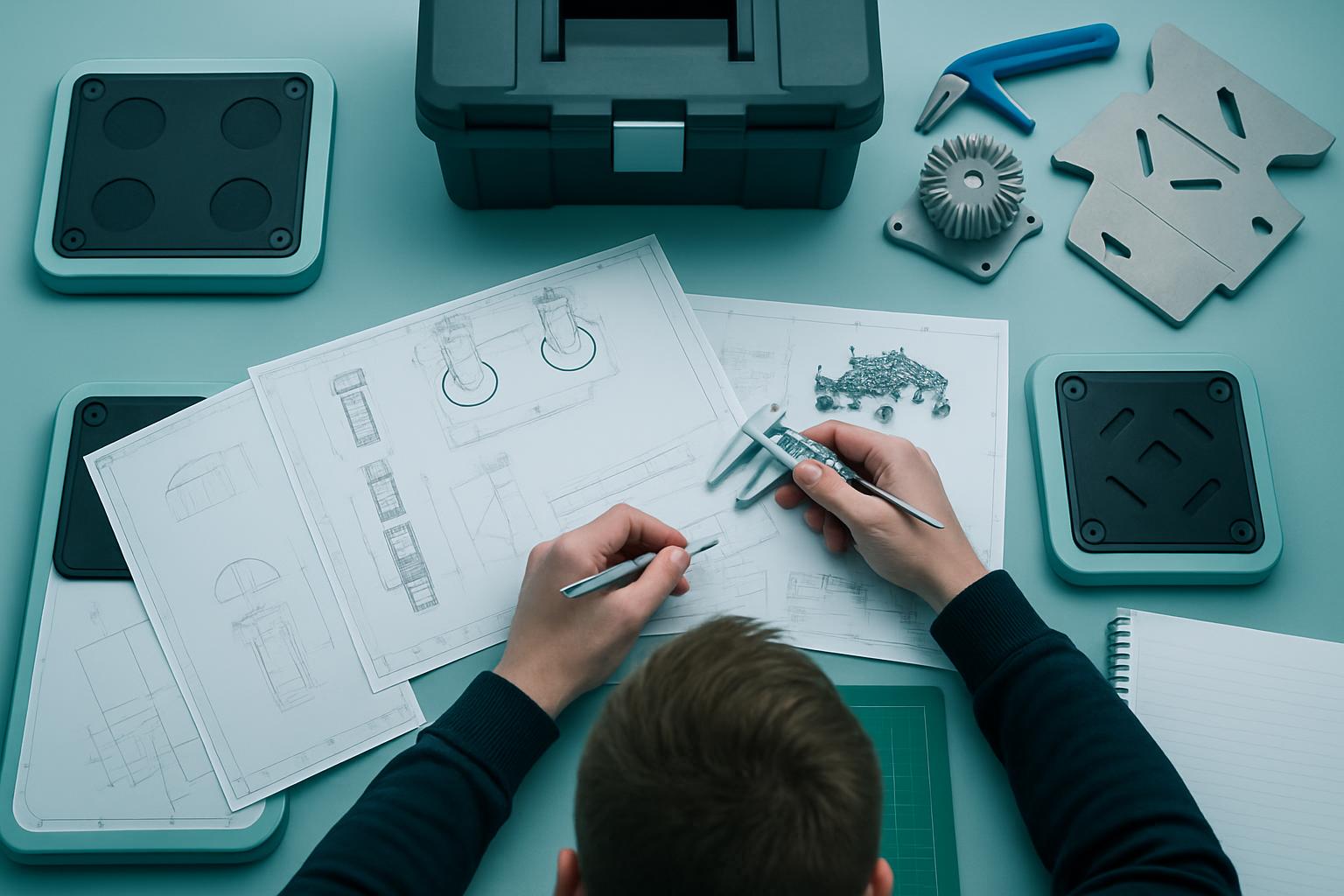
A simple way to confirm your VacuumHold Fixture is working at its best is to run a leak-down test before your first job each week. Place a standard sheet on the fixture, seal zones not in use, and monitor the vacuum gauge for any drop over three minutes. A steady gauge reading means your seals and pads are still good, but if you see a fast drop, check for debris or worn pads. On the Highveld, dust can collect around the pad edges and valves, so a quick wipe-down is worth the time.
We have seen teams lose production hours from missed leaks or pads that have hardened after a cold snap. Always check your vacuum lines and pad surfaces before a big run, especially after a temperature swing or a weekend idle. This habit prevents last-minute rework and keeps your finish consistent from start to finish.
Industries · Blog · Contact us
Get practical advice and selection tips for VacuumHold Fixture and related fixturing equipment. Match zoned vacuum fixtures, soft elastomer pads, and support kits to your actual workshop needs, job folders, and shift timing. If your production includes everything from coated panels to textured sheet, or you are moving from prototypes to full runs, your fixture choice will affect both finish quality and the effort needed at cleanup or changeover. Our focus is on real-world trade-offs: quiet running, footprint, changeover speed, and support. This helps you decide what works best for each job on your floor.
You will also find links to machine-specific notes, like detailed VacuumHold Fixture specifications, nesting and fixture routines, service, and typical applications. Each area is built for teams who want reliable handoff to the next operation rather than another round of bench cleanup.
VacuumHold Fixture is used by production leads, floor teams, and owners in shops where reliable sheet holding is a baseline, not a luxury. Typical users range from signage manufacturers in Durban needing rapid setups to joiners in Gqeberha who care about face finish on high-visibility panels. Our setups see regular use in Isando and Germiston, where predictable results matter more than chasing novel features.
Most teams run VacuumHold Fixture as a dependable default. The fixture shines when you want to avoid scuffed faces, lost material from clamp marks, or operator error on the next shift. Production teams often pair VacuumHold Fixture with our MultiSheet Nest for volume runs, or with FoamCore Nest when handling fragile or odd-sized panels. Choosing the right fixture means less time doing rework and more time shipping parts.
Start with your actual operating constraints before you pick a fixture. Common factors are sheet type, finish requirement, available floor space, noise limits, and how many changeovers you need per shift. Write these down. Our team sees too many jobs stall because constraints only surface after the PO is placed. If you need something quieter or more specialised, consider Workshop Compact or KerfCheck Lab as alternatives. Oversized runs or metal work may fit our Aluminium Plate Bay better.
It is better to match your actual working style and material mix to the fixture, not the other way around. Forcing a fit, trying to make one fixture do every job, can cost a team in lost time and extra transport. Our team documents setup, feeds, and support notes so your next job is not built on guesswork. For site-specific questions, send a message through our contact form with photos and a brief outline of your timing.
Rushing the fixture selection is where most teams lose margin. The most frequent issues we see are under-briefed strike windows, not allowing for operator handover, or missing fine details like vacuum zoning for part geometry. When the constraint is not written down, overtime and repeat visits become likely. Always clarify your working window, handoff expectations, and material stack before deciding. If the need is not standard, check examples on our Projects pages or skim industry solutions for similar uses.
Teams who skip a quick site brief or rely on old fixture habits often require costly rush adjustments. If it is your first time briefing us, two photos and your ideal timing window is enough to get a workable recommendation. We also keep a short internal note on what failed last time on similar jobs, dates, constraints, and the fix, so you do not repeat hidden issues from previous runs.
Before you get in touch, have your key details ready: sheet type, dimensions, finish requirements, and how many changeovers you target per shift. Avoid waiting until you are under pressure from outages or an urgent schedule. Clear constraints make it easier for us to recommend the right mix of VacuumHold Fixture service, nesting approaches, or another unit from our machines range.
If your job needs specialised fixturing, or downtime is tight, arrange a try-on or demo at our Isando nest bay. For ongoing fleets or changing part profiles, we recommend reviewing your workflow every quarter, Highveld dust or coastal humidity can influence pad life and vacuum integrity more than you think. For more process notes, our Blog covers recent setups, and Resources has printable checklists for your bay.
Verified Google reviews
