
Hands-on support and care for the SignBoard Profiler, focused on real South African workshop conditions. Get reliable answers, clear prep guidance and field fixes that stick.
One of the most overlooked steps in local workshops is keeping your vacuum hold-down system clear of offcut dust, especially after a run of MDF or foam. On the Highveld, fine dust can clog filters quickly, while coastal humidity sometimes causes the particles to clump and block airflow. We recommend a routine check of the vacuum table and filter after every large production batch, not just at the end of the week. Missing this step can lead to uneven cuts, poor material hold, or even a dropped sheet mid-process.
Another common mistake is relying too much on imported maintenance routines that do not account for local power interruptions or high ambient dust. Make sure your team adapts the daily checklist to include a visual inspection of all cable runs and connectors, especially after an outage or heavy cleaning cycle. This helps you avoid small faults turning into bigger downtime later.
Industries · Blog · Contact us.
See support and kerf log template. Use our contact form.
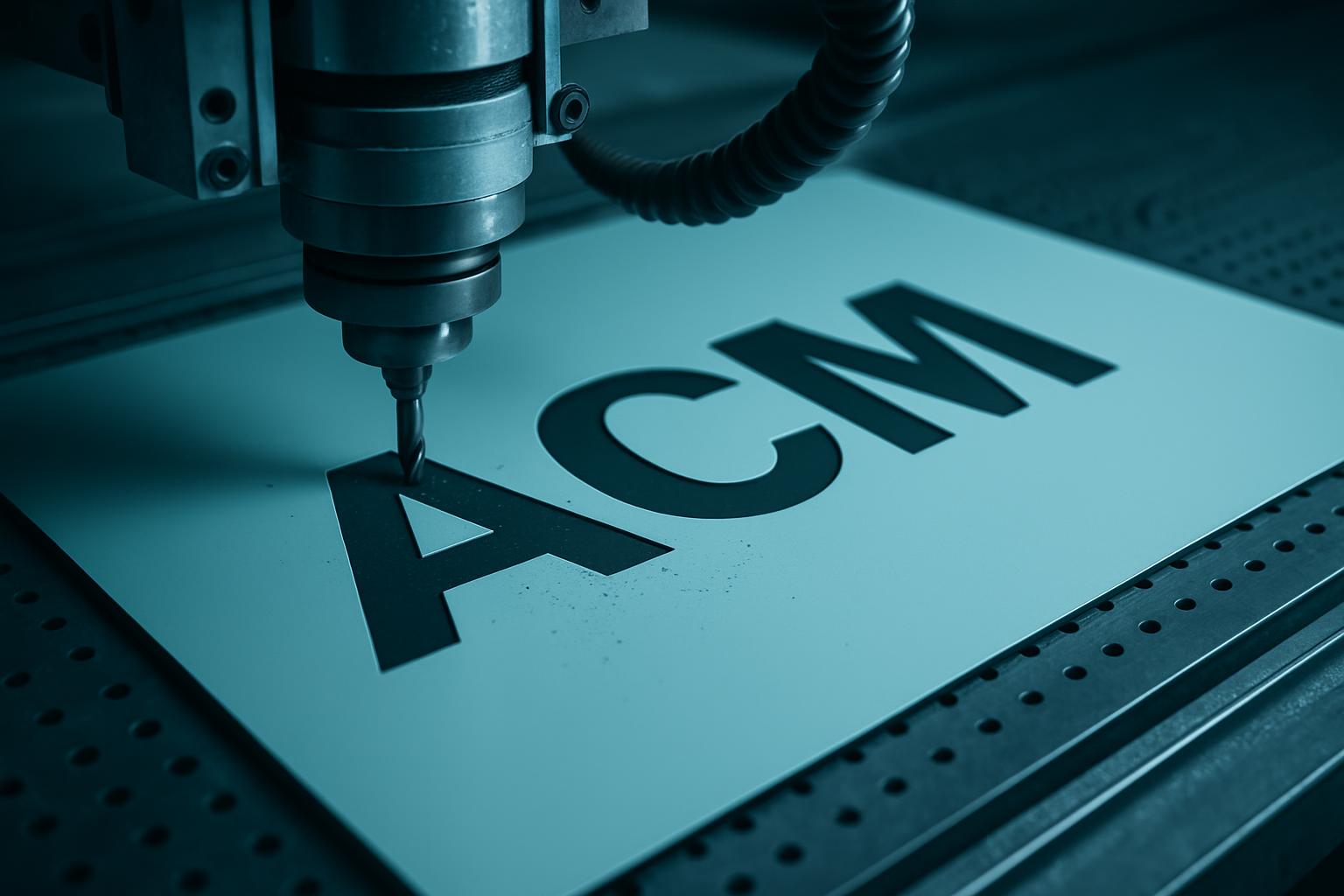
Our SignBoard Profiler service is tailored for teams handling CNC profiling and shape cutting in genuine South African workshop conditions. We assist with hands-on training, preventative checks, and practical fixes for the breakdowns that risk slowing your output. Whether your bay faces Highveld dust, coastal moisture, or the odd power cut, we adjust our support to fit the realities of local signboard work, focusing on the ways machines are actually run and maintained here.
This service suits workshop managers, production foremen or business owners whose teams operate the SignBoard Profiler and need local, practical backup. We work best with crews who want to handle their own daily maintenance but need a reliable backup and clear advice when a problem moves beyond the usual oil-and-grease fix.
If you own or operate a SignBoard Profiler in Gauteng, Cape Town, Durban or further out, whether in a large industrial park or a lean sign shop, you’ll benefit most if your team already handles basic cleaning and spindle checks but needs deeper support for tune-ups, part swaps, or nesting queries.
This service is less suited to crews looking for daily hand-holding or operators expecting us to run the machine for them. We do not cover unrelated electrical work, unrelated finishing, or lifting and rigging that falls outside the profiler’s scope. If you only need spare parts or manuals, those are better handled on our SignBoard Profiler specifications page.
Most support starts with a fast exchange of photos, a brief fault history, and your location so we understand what power and environment you are dealing with. For instance, a crew in Bloemfontein working double shifts needed advice when a spindle noise persisted after a bearing change. We requested the last three maintenance records and clear mount photos. The root cause turned out to be a missed clamp re-tightening, skipped by an operator after a Friday afternoon outage. Our step-by-step advice got them back on track without extra parts or delay.
Our advice was simple: pause, recheck every mounting bolt and bring the torque up to the recommended mark. No bodge fixes or imported parts were needed, just a reminder of the key local step. Most weeks, field support like this starts with a focused call or email, and ends with a written note for your next service interval. When we book a field visit, our operator comes ready for the specific problem, not just armed with a general checklist.
Before you email, make sure you collect a few practical basics. It speeds up response time and avoids double-handling. Your prep does not need to be fancy, but completeness matters. Even a sketch on a notepad and a high-res photo from your phone goes further than half a spec sheet. We keep each request anchored to what constraints actually matter on your floor, not general fixes that miss the mark.
If you have a drawing set, fault list, or a rough statement of what failed, drop that in too. The more specific, the less back-and-forth you face. If your machine is leased, add your contract or support number. Send us a message through our contact form with your city and a timing window. We’ll reply with the best sequence for your brief, not a generic script.
The most common pitfall is picking a machine or service option without listing your real constraints, power, profile range, physical access, or finish tolerance. It is tempting to chase features seen on imported lines, but those often assume support crews or stock you cannot source in South Africa. For example, we have seen teams burn hours trying to solve a finish problem with a fancy cut path, when a simple fixture change would have solved it.
Another pitfall is letting a problem drag while waiting for an overseas answer. Instead, get your details in early. We keep short internal notes on what failed in recent jobs, so you do not hit the same snags. If you are new to SignBoard Profiler work, a quick look at our SignBoard Profiler nesting & fixtures page covers jig and clamp traps before they cost you time.
Verified Google reviews
