Blog

ACM without peel drama

Get ACM panels delivered with factory films intact, ready for install, no frantic peel drama onsite. We share our process, tips, and what your team needs to prep.

Peel film care during coastal deliveries

If you are transporting ACM panels to coastal sites like Durban or Gqeberha, humidity and salt air add another layer of risk for protective films. On the Germiston floor, we use a soft cloth wipe-down before final packing to remove static and dust so the film does not trap grit during transit. When humidity is high, panels are stacked with slip sheets to prevent the film from sticking to itself or pulling away at the edges.

A frequent mistake is skipping the packing check for panels headed to coastal regions, which can result in film edges curling or sweating by the time the panels reach your site. Always ask your team to inspect the film seal before loading the bakkie or truck. This small step can save hours of rework, especially when install crews are on tight schedules and cannot afford delays caused by damaged protection.
Workshop context

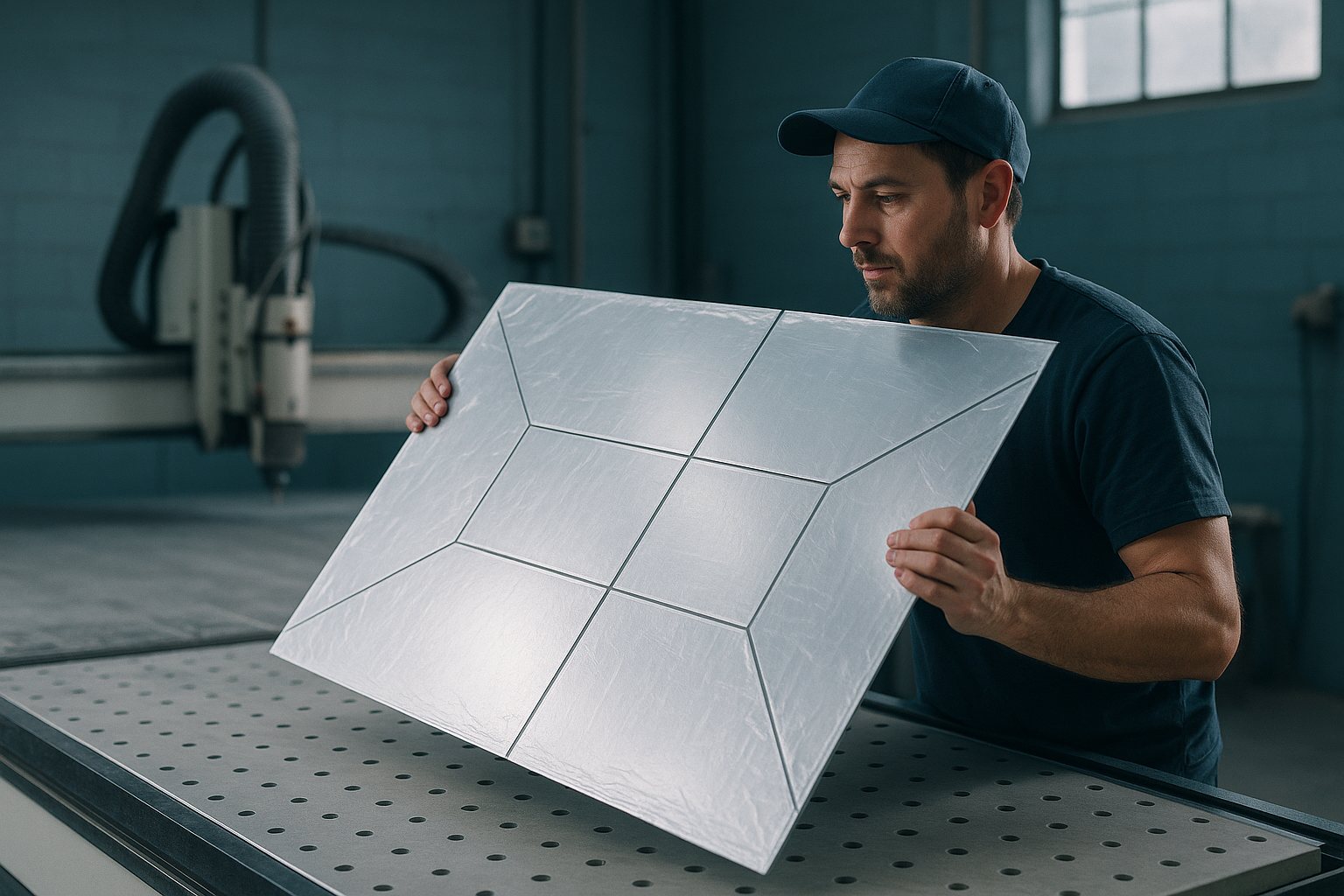
Vacuum zones and peel films that stay until install.

What we recommend

Combine this approach with SignBoard Profiler for your next ACM batch and schedule a demo at Sunnyrock or any of our regional showrooms if you want to see the peel film protection on your own material.
What ACM without peel drama means in practice

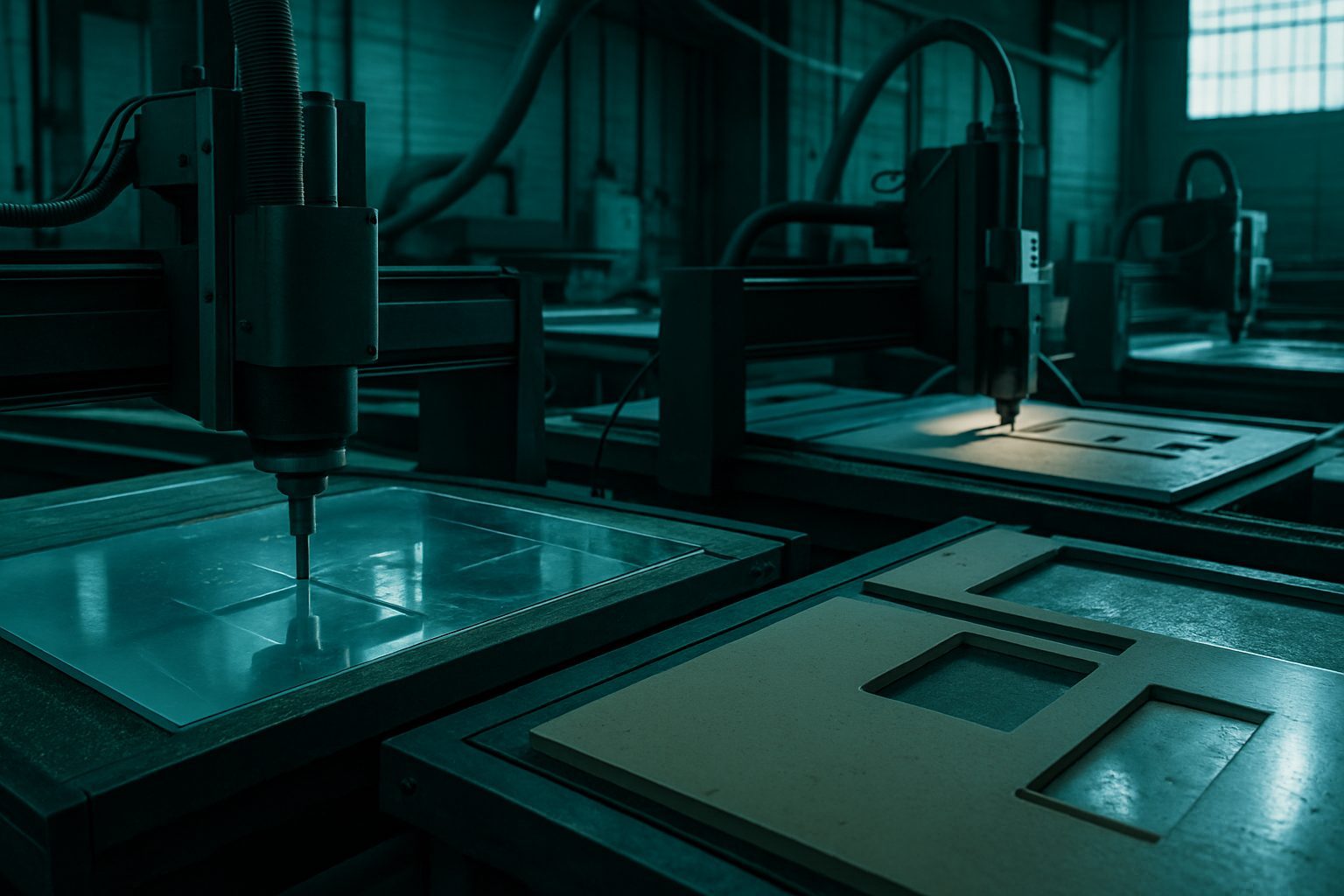
Aluminium composite material, or ACM, is a go-to for retail signs, cladding, and kiosks from Durban to Bloemfontein. The exterior plastic film keeps faces clean during cutting and transport, but when a job is rushed or poorly sequenced, that film can end up damaged or half-peeled before the install crew arrives. That means extra bench time, touch-ups, or even replacement panels. Our approach is practical: we use vacuum zones and careful nesting to make sure these films stay on until your team is ready to peel.

This method suits shops and site crews who need a clean, ready-to-fit finish, no second guessing, no hours spent scraping off glue or dirt. It's less ideal for projects where the panels will be painted or laminated after cutting, since those films have to come off anyway. If your process needs finished panels that hold up through bumpy roads, warehouse dust, or Gauteng's Highveld winds, this is for you.

Who it helps, and who it may not

Installers, signage teams, and contractors across Gauteng, Cape Town, Gqeberha, and Polokwane use ACM for clean, neat results with minimal on-site prep. You benefit most if coordination between the cutting floor and the install crew is straightforward, one install, no returns, no chasing after missed details.

This approach may not suit very high-volume manufacturers who strip all films in-house before the next operation, or those who plan to run the faces through aggressive sanding or special coatings. If your workflow needs that, head over to our edge recipes for MDF faces or finishing after the cut articles for more relevant process tips.

How the process unfolds on South African floors

Each new ACM job starts with a one-page brief: panel sizes, site access, schedule, and the end result your crew needs. We check power (three-phase or single), panel delivery constraints, especially in tighter municipal zones, and who will sign off before cutting begins. Once those basics are confirmed, we nest panels in a way that minimises unnecessary handling, and use vacuum hold-downs set for ACM thickness.

On the floor here in Germiston, our operators match the film orientation to your install steps, so exposed faces stay covered. Panels are packed for easy offload, even for crews working with limited space or in high-traffic retail parks. Most weeks, we see shopfitters in central Joburg or Pietermaritzburg who want panels to arrive dust-free and ready, not with half the film scratched off from the trip.

A worked example: Signage fitout in Bloemfontein

A signage fitout team in Bloemfontein requested 70 ACM panels, all cut to precise measurements with the protective film left intact. Their installation window was just two hours due to scheduled municipal outages. We carefully checked their job brief, secured site access details, and adjusted our nesting method so film edges would not lift during the cut. By fine-tuning vacuum hold-downs and planning the collection sequence, we ensured each panel arrived with its film clean and undisturbed. This meant the site crew could peel each piece easily during install, with no wasted minutes dealing with scratches or sticky residue.

If we had not asked for a clear sign-off on the brief, this job might have meant another round trip or on-the-fly panel cleaning on site. Instead, their team finished on time, ready for the next fitout.

What to prepare before emailing us

Before emailing us about ACM cutting, get these details ready. It helps us prevent confusion and stops those avoidable last-minute rush charges. Even a simple plan on a single page will save time upfront. If your operation is new to this, see our resources for sample briefs and more preparation tips.

Common pitfalls and how we sidestep them

Most ACM drama starts with a sketchy brief or assumptions about site access. If timing, crew, or power is unclear, the wrong film could get lifted or panels scratched before install even begins. We combat this by pausing any job with missing details, no guessing, no fast-talking to get a job out the door.

Sometimes, a well-intentioned foreman will ask for ‘just the easiest way,’ not realising a gloss-white finish shows every fingerprint. We talk through trade-offs before spindle hours start. Rushing this stage means extra Rand spent fixing panels or calling in favours to redo work on site. Save yourself the late-night headaches by sending a clear plan. If you need a walkthrough, send a message through our contact form and mention ACM without peel drama, one of our Isando bay operators will help you plan the sequence.

Talk to Cut2Shape

Our contact form · Sunnyrock nest floor