
VacuumHold Fixture specifications and working notes tailored for South African workshops, production floors and factory fit-outs. Match the fixture setup to your operation and get your enquiry ready for a quick quote.
Before starting a production run with your VacuumHold Fixture, always check the condition of the gaskets along the fixture plate. South African dust, especially in Joburg workshops or after a dry spell, can quickly settle into grooves and weaken the seal. If the gasket looks flattened, torn or clogged with dust, swap it out before you start the vacuum pump. One missed spot can lead to a slow leak, causing the workpiece to shift slightly and spoiling tolerances across the batch.
Teams who cut a lot of MDF or chipboard find it pays to check gaskets and clean the T-slot matrix every Monday. This habit prevents sudden loss of grip mid-cycle and keeps the vacuum holding firm, even when the shop gets busy or the weather turns humid. A simple gasket check is far quicker than having to re-run a whole sheet due to a slipped panel.
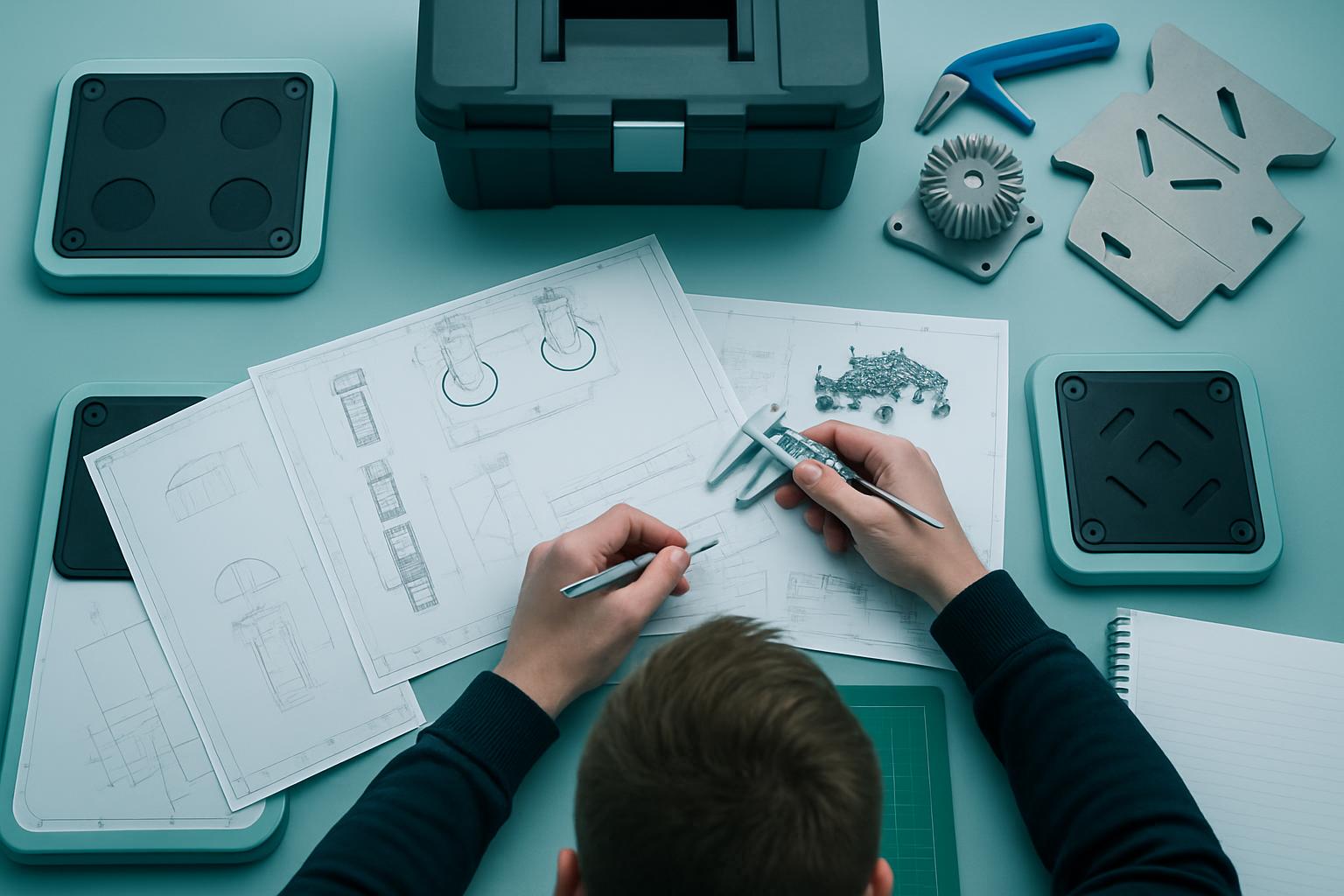
| Zones | 8,16 |
|---|---|
| Pads | Soft elastomer |
| Swap | < 3 min |
| Tags | SKU recipes |
| Compat | Sheet routers |
Use our contact form for a tailored footprint.
A VacuumHold Fixture uses vacuum force to clamp flat or nearly flat workpieces during cutting and profiling. It speeds up hold-downs for repeat jobs, especially in wood, plastics, composites, MDF or birch ply. In our Germiston bay, the fixture is used where mechanical clamps would get in the cutter's way, or where soft surface marking is important.
This fixture is ideal for teams focused on batch runs or nesting tricky shapes out of a single sheet. If you work with panels bigger than a metre square, or if your shop cuts many parts from a single blank, this spec page matters to you. If, on the other hand, you focus on one-off metal jobs, heavy profile bar or castings, a VacuumHold Fixture is not the fit.
The fixture is placed directly between your CNC machine bed and the workpiece. Vacuum pumps or hoses are attached through ports around the edge of the fixture. In South African shops, dust, voltage dips and long vacuum pipe runs can impact suction performance, so we choose pumps and seals that handle typical outages, load reduction and the variable conditions found from the Highveld to the coast.
Flow rate and footprint determine if the fixture can hold a warped or uneven board. Off-cuts and leaks are the main risk. Some teams in Cape Town and Durban add inline filters or swap gaskets at the change of season, but the geometry you nest matters more than climate.
Most teams using VacuumHold Fixtures are cutting lots of identical profiles or running a small-batch production line. Furniture production, cabinetry, signage, and some marine or vehicle panel work use these fixtures all week long. They save time where manual swaps kill the hourly rate, or where part edges must come off the bay clean.
Workshops mostly running ferrous metals, castings or weldments find standard vacuum fixtures less useful, as heavy or pitted stock can break suction. Thin foils, textile work, or uneven upcycled slabs also pose problems. If your stock is always under 200 x 300 mm or weighs over 50 kg per square metre, clamp-based jigs work better.
A Gauteng manufacturer receives an order for 100 birch ply side tables. Each top and leg is nested on a 2440 x 1220 mm sheet. The VacuumHold Fixture is set up for that sheet size, with gaskets cut to match the nested outline. A single-phase pump holds the sheet while the CNC profiles all parts in one cycle. No edge clamps intrude, so every piece is cut to spec. After the run, the operator swaps out the neoprene seal (damaged by a sharp offcut) and stocks a spare for the next job. Offcuts and dust are binned, and the cycle is repeated without a reset. The fixture routine saved four hours compared to clamp setup and stopped the usual edge marks.
Before emailing us at our contact form, assemble the info your floor would need to set up on day one. We match spec to site, so more upfront saves a wasted trip.
If you are not sure about a detail, note it anyway and the team will work through the gaps.
The main sources of trouble are leaks, overloaded pumps or running with worn gaskets. Long vacuum lines in older factory bays, unexpected power cuts and dust-clogged ports make it easier to lose vacuum grip. Replace seals after heavy use, and add a filter if you work close to MDF or chipboard to avoid blockages.
Watch out for stock that lifts or flexes under vacuum, as this can cause the cutter to grab at edges or miss tolerances. Heat and humidity in Durban or Gqeberha can soften some gasket rubbers by midsummer, so check for spare seals if you are in coastal sites. For advice on nesting layouts or fixture set-up, see our VacuumHold Fixture nesting & fixtures guide or email the team for a practical sequence.
Verified Google reviews