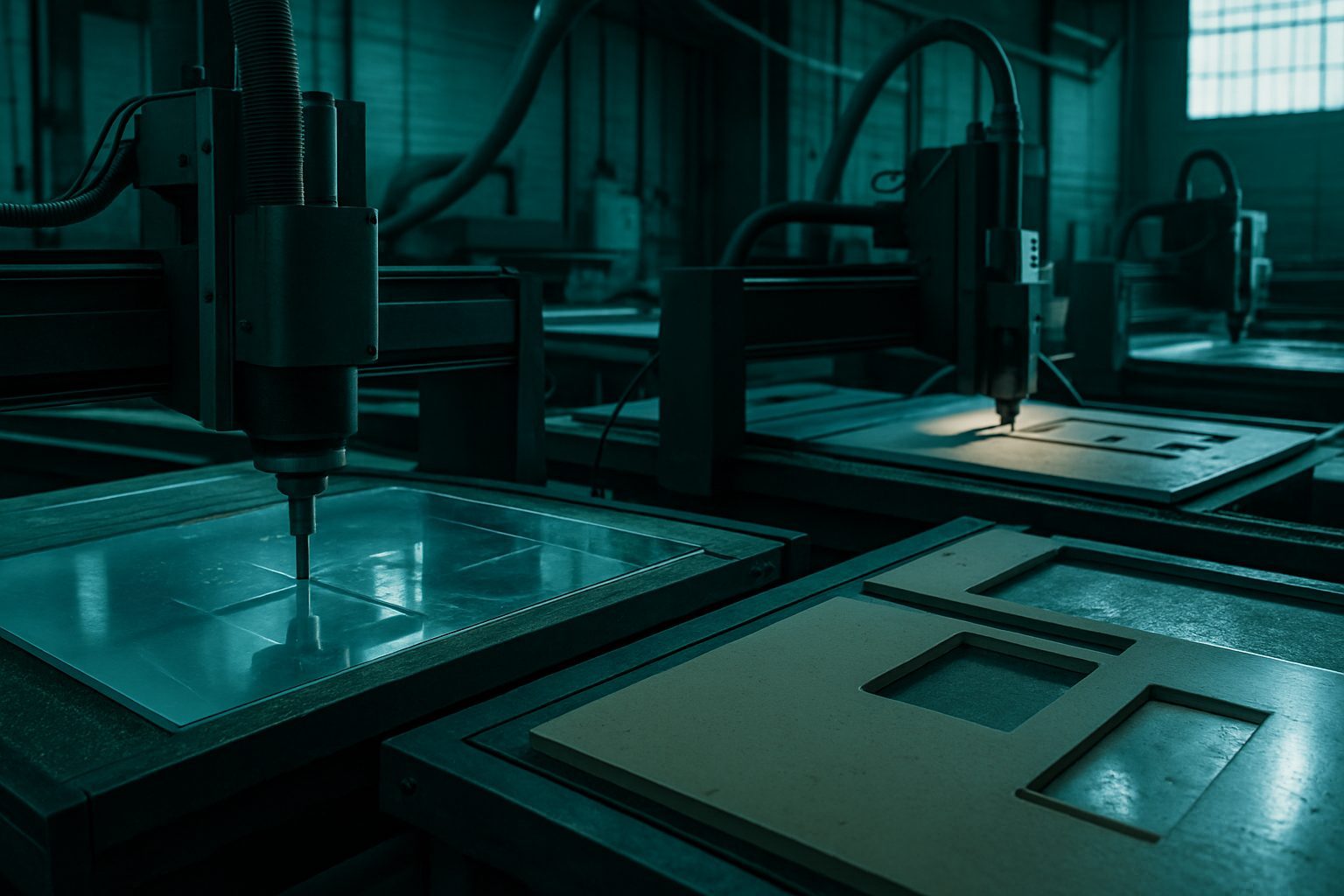
Get the most from your VacuumHold Fixture with training, support, and advice that fit real South African factory conditions. We help you make prepared choices that last.
Before working with a new batch of panels, always run a dry check with your VacuumHold Fixture. Place one sheet on the fixture, power up the vacuum, and check for even hold along all edges. Listen for any leaks, especially near corners or cut-outs, as these often show up first with local MDF or composite boards. Addressing a minor leak early is much faster than stopping mid-run to strip down the whole table.
A common mistake is reusing seals that are past their best, especially after cutting abrasive or dusty board. In South African workshops, Highveld dust or fine chipboard residue can wear down seals faster than expected. Swapping seals at the start of each big order can save hours of downtime and avoids unnecessary troubleshooting later in the shift.
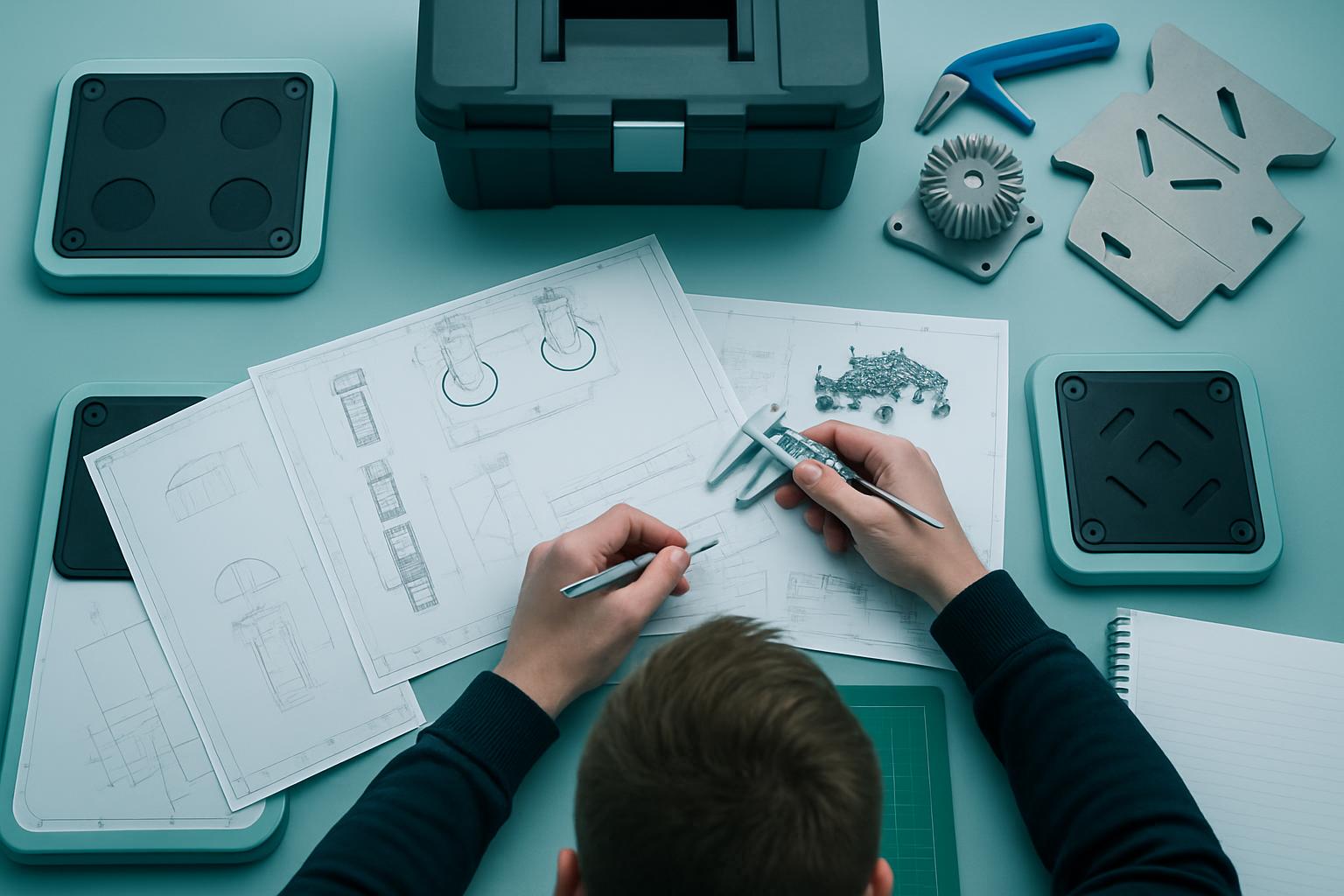
See support and kerf log template. Use our contact form.
Our VacuumHold Fixture service supports workshops and manufacturers using the VacuumHold Fixture from Gauteng to Durban, Cape Town, and everywhere in between. We have seen it all: custom fit-outs in Gqeberha, joinery plants in Bloemfontein, and busy Germiston floors coping with Highveld dust. The service is focused on practical steps for operating, maintaining, troubleshooting, and adapting your VacuumHold Fixture to real workshop conditions, so you are not stuck waiting on a missing part or caught off guard by an unexpected outage.
We also cover clear, step-by-step guidance for operators and floor managers. If something trips you up, we will show you how other SA teams have solved it, not just read out a line from the specsheet. From realignment after a rough delivery to local filter swaps that work in coastal humidity, we know which details matter in day-to-day use.
The VacuumHold Fixture service is built for production teams needing reliable fixturing for sheet goods and parts. You’ll see the best results if your shop has constant shifts, variable sheet sizes, or ever-changing order types that make manual jigs too slow. High-mix, low-volume runs and short-lead contracts are the typical fit. If you constantly need to reconfigure for each job, or face frequent staff rotations, the training and routine care support help new hands pick up fast and reduce downtime.
Small shops running basic machines for one type of board all year may not need the full service. If your process never changes or you always cut a single profile, a VacuumHold Fixture can still save time, but ongoing support may not be essential. We’re honest, sometimes your money is better spent on a spare valve or a local upgrade instead. Email us if you are not sure which camp you fit.
Most teams reach out after hitting a snag. Maybe a fixture struggles with a warped batch from a new Polokwane supplier, or an operator is dealing with leaks on the 230 V line during an outage. We always start by pinpointing your main constraint: which stage or part of the process is holding you back? We note the details, look at your machine’s real set-up, and suggest the support route that keeps things moving with the least disruption to your team.
One recent example: a Durban shop fitting marine ply struggled with hold loss in humid conditions. We walked the team through swapping seals, tuning their layout and choosing a finish that worked with their local air. Instead of changing the whole system, a few tweaks kept them on deadline. That experience shapes our advice for the next team, your fix will be practical and to the point, not a repeat of old mistakes.
To sort your service request quickly, jot down your site’s main headache, leak, fit, finish, timing or something else. Take two clear photos: one of the VacuumHold Fixture set up on your table, and one showing the nearby machine, power, or work holding. If you have a drawing set or order sheet, even if it is rough, attach it. The more real detail you share, the more tailored our answer. If you have a record of any last failure or repair, pop that in. Timing helps too, even if you’re just saying ‘next fortnight’.
Email everything through our contact form. We will line up the right operator or support path and come back with a sequence that fits your shop, not just a catalogue reply.
The most common fumble is picking a finish, machine or fixture path before checking the site constraint or power setup. Teams that skip this step usually double up on courier costs or waste a full shift. We have seen Highveld dust clog fine filters, or unexpected three-phase trips throw off an otherwise tidy line-up. Rushed swaps or patch jobs almost always lead to another call-out.
Be cautious of advice that only fits European conditions or assumes every spare is instantly available in South Africa. Outages, sudden spikes in coastal humidity, and local panel sources all shift the solution you need. We track real-world issues seen in SA workshops so you avoid repeating familiar mistakes. For more on fit and set-up, explore the VacuumHold Fixture specifications or VacuumHold Fixture nesting & fixtures, or see Machines for further options.
Verified Google reviews