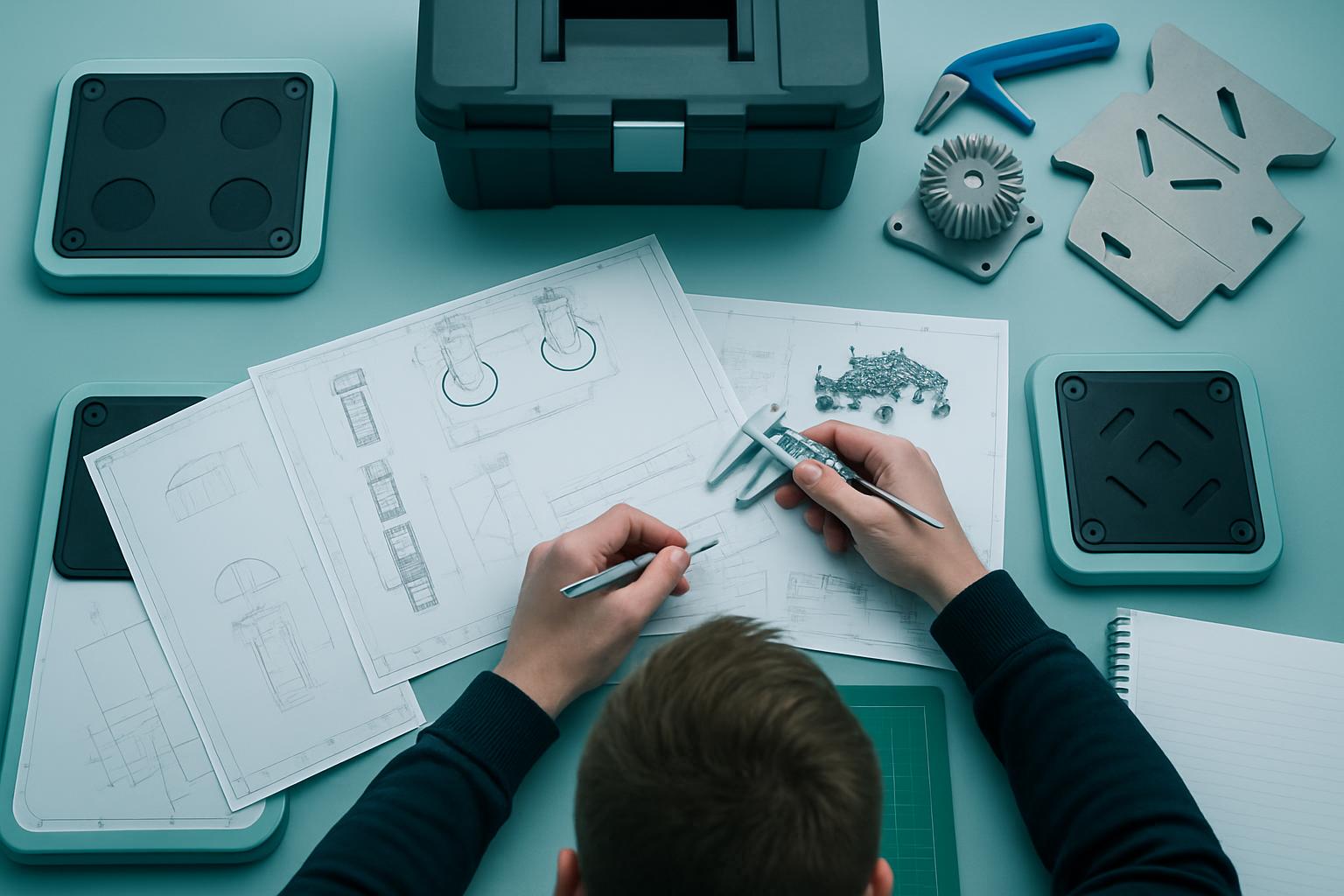
VacuumHold Fixture nesting saves time for South African teams that need flat parts ready for the next process. Here we cover options, local pitfalls and what works in practice.
Before starting a full production run, it is worth doing a simple leak check on your setup. Lay your first sheet on the VacuumHold Fixture and start the vacuum. Walk around the edges and listen for hissing or feel for airflow, especially at corners and where sheets have chips or rough patches. On a Highveld floor with lots of dust, leaks are more likely and will drop your holding power. Fix gaps with edge tape or swap out damaged boards before you start cutting.
If you skip this check, you risk your first part lifting or shifting, which can ruin the whole sheet and cost you time and material. This step takes just a few minutes and can save hours of rework, especially if you are running a mix of old and new stock or working with sheets stored in variable humidity.
Industries · Blog · Contact us.
VacuumHold Fixture nesting holds your sheet material flat by vacuum, not with mechanical clamps. This means you get a clear edge for accurate routing, profiling or drilling, which is especially useful on medium and high-volume jobs. On South African workshop floors in Gauteng, the Western Cape or Mpumalanga, the main aim is to cut down on extra sanding or edge fixing after the first CNC pass. With VacuumHold, your pieces stay put, even if the operator deals with changing humidity, outages, or a warped board from a supplier. The sheets remain steady, letting your cutters work right to the edge, which reduces waste and limits extra handling.
Nesting in this context means planning the layout of all your parts on each sheet, then holding everything flat for a single run. VacuumHold Fixture pulls its weight when your team needs repeatable accuracy, minimal operator intervention and fast swapovers - especially if you are running batches that must move straight from machine to assembly or delivery.
VacuumHold Fixture nesting fits operations needing flat, precision-cut parts from MDF, plywood, compact laminate, or aluminium composite. Cabinet makers, retail fixture outfits, shopfitters, and industrial contract shops in places like Durban or Gqeberha can benefit, especially with repeat runs and variable sheet quality.
It is less suited for teams working with tiny offcuts, narrow strips, or heavily textured sheets. Small operations without a stable 230 V mains or vacuum pump access might find it easier to stick with traditional clamping or screws. If your volume is very low, the setup time might not pay for itself.
A retail fitout crew in Germiston needed 180 shelf parts from 16 mm white melamine, all with finished edges ready for direct fitting. The operator sent us their drawing set, job spec, and mentioned the site runs on three-phase power but sometimes faces early-morning outages. We suggested a two-zone VacuumHold Fixture layout, so one zone could keep running on a smaller backup pump if needed. This let them maximise board yield, keep pace with their workflow, and deliver finished parts straight from CNC to packing, saving half a day on the floor.
We propose VacuumHold Fixture nesting with a two-zone layout, so one zone can run off a smaller backup pump. We send them a practical nesting plan that maximises board yield without clashing with their existing workflow. When boards arrive, the operator lines up the first sheet, starts the vacuum and runs the spindle cut as planned. Each piece comes off ready for the next operation with just a wipe-down to clear dust.
In this case, the job moves from CNC straight to packing, no slow hand finishing or missed edges. The team saves half a day on the floor and keeps the client’s timeline intact. We keep a note on the job for next time: what held, what slipped, and whether tighter nesting or a different tape pad would help.
Before you reach out for a VacuumHold Fixture nesting enquiry, take a moment to pin down your site and job constraints. A photo or two of your current fixture setup, a scan or phone shot of the drawing, and a note on how your sheets arrive (palletised or loose, with or without a support liner) are enough for us to start.
Mention if you have a specific finish or downstream process in mind, such as direct install, painting, or transport by flatbed. The more direct your constraint, the easier it is for us to match you to the right nesting and fixture layout. Email everything through our contact form, and one of the team will work up a clear proposal for your crew.
The most common pitfall is underestimating air leaks, which are worse with Highveld dust or if sheets have rough or chipped corners. Teams sometimes skip the step of writing down their main constraint, such as part minimum size, or miss the ripple effect of moving from manual clamping to vacuum. This can cause lost time when the first test run lifts, or if the pump cannot keep suction across an entire sheet.
A close second is failing to match the nesting plan to the reality on the shop floor. When a team picks a layout too tight to their tool change or part handling habits, jobs end up being reworked, costing time and materials. Always match the nesting plan to your crew’s skill set - not just the spec sheet.
Always keep power in mind. Outages or pumps that are too small can cause vacuum loss during a run. If your power supply is unstable, especially outside the main metro areas, plan for a backup vacuum or use a zone-based system so you can finish the job even when Eskom or municipal supply is interrupted.
For more technical detail on suitable VacuumHold Fixture models, see our VacuumHold Fixture specifications or compare other machines for different nesting needs.
Verified Google reviews