Here we cover how we approach nesting and fixtures for aluminium plate in a South African setting. Plan your next job with fewer surprises and less waste.
Before any aluminium plate job reaches the spindle, we always double-check for local handling limits and how the nest will move through your line. For example, on a recent batch for a Pretoria industrial client, the initial CAD layout looked efficient, but their team flagged that the packed nest would not fit their shop’s standard trolley. By reworking the nest to suit their handling gear, we avoided a bottleneck on their floor and kept parts flowing from our bay to their assembly area without extra lifting or risk of damage.
A common mistake is forgetting to match nest orientation to the downstream jig or brake. If the cut edge ends up on the wrong face, it means extra rework or even scrapping parts. We always confirm these details with your team up front, so what leaves our Germiston floor arrives ready for your next operation, not another round of adjustments.
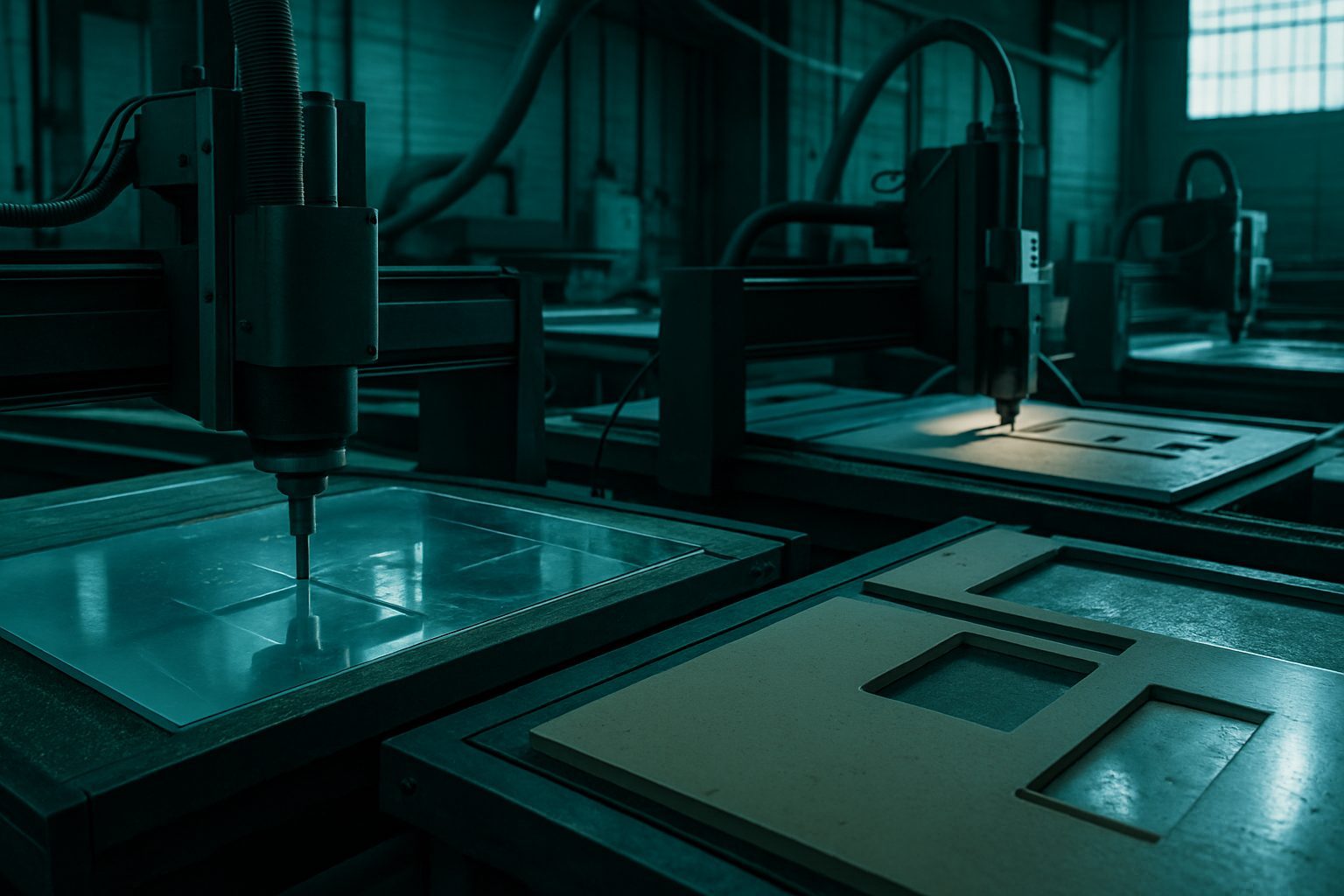
Nesting in the Aluminium Plate Bay is about stacking your cuts for the least waste, quickest handling, and best fit to your workflow. Fixtures hold your work tight during profiling, so the operator can count on repeatable shapes, no matter what the Highveld dust or Durban humidity is doing that week. Every bay has its quirks, and aluminium plate brings its own set of decisions. Too tight a layout and you’ll struggle with heat or tool wear. Too loose and you’re paying for offcuts that fill the skip, not your order. On most floor jobs, the right fixture or nest setup means you unload parts ready for your next station, not another hour at the bench with a flap disc.
Teams running repeat jobs, tight tolerances or high sheet volumes tend to see the most gain from careful nesting and fixture planning. That’s automotive fitters in Alberton, enclosure builders in Gqeberha, or those needing parts that can be handed off direct to welding or assembly. On the other hand, shops with ever-changing shapes, one-off signage, or crews who need to hand-finish every part might not get as much value from advanced fixture setups. If your patterns are all over the show or your operator likes to ‘eyeball it’, simplicity can trump efficiency. We always talk through these trade-offs before spindle hours start.
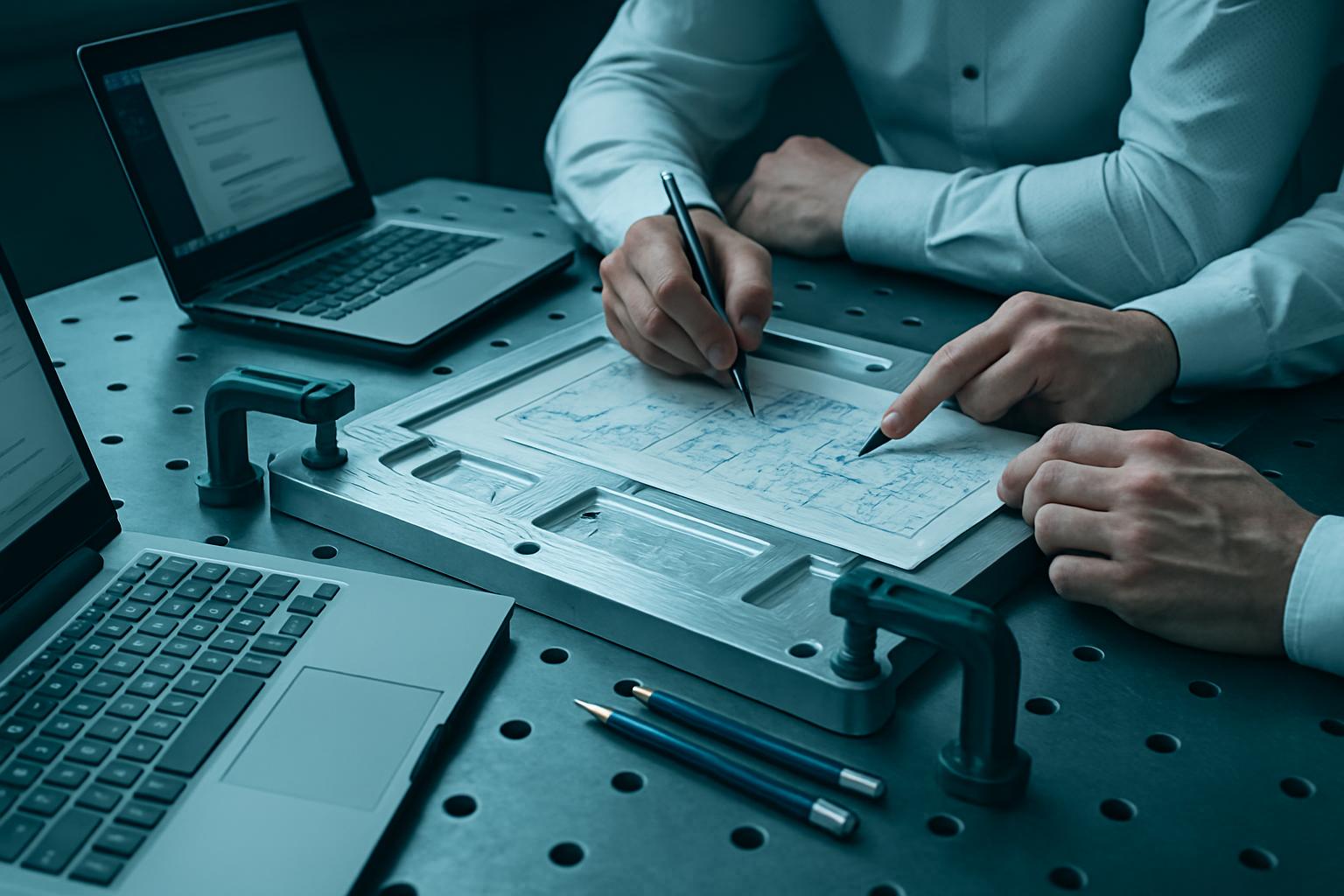
Our process starts with your intent and whatever constraints your job throws at us: sheet size, finish, handoff requirements, and what your team can handle on site. We set up nesting layouts on South African sheet sizes, not global theory. If your cut parts need to slot into pre-existing jigs or local press brakes, we review the fixtures at our end so you’re not caught by a mismatch in Bloemfontein or Polokwane. For every batch, we document the setup and keep a note on what worked or failed last round, whether that was a clamp tweak or a change in hold-down order. Our workshop stays ready for the swings of local supply, three-phase hiccups, or a last-minute change in aluminium gauge from the stockist.
A fabrication shop on the East Rand needed 6 mm aluminium plates, combining both large and small profiles. Their job was urgent, with a tight production window thanks to a power cut and a last-minute change in bracket design. We used their drawings and job specs to quickly group similar cuts, choosing fixtures from our stock that could handle the full run in one go. The nesting plan reduced sheet waste by more than half, and all cut parts were packed for direct handoff to their team. This approach meant no extra time spent shifting clamps or prepping at their bench. Every step was shaped by their real-world constraints and the need to keep the job on track despite changing conditions.
The clearer your brief, the less time is lost to back-and-forth. Two photos of your current setup and a timing window help us narrow down options fast. If you have a drawing set, even marked up by hand, or a statement of requirements, add those too. Mention if the parts must arrive ready for a specific downstream fixture or if you plan to clamp and finish them yourself. If the job needs a certain finish or delivery mode, include that up front. Send your brief through our contact form, and we’ll reply with the right questions or a straightforward sequence to get the job moving.
Where teams run into trouble is usually at the handoff between steps. Picking a fancy nest that looks good on CAD but can’t be handled by your shop’s crane or trolley means more sweat than savings. Fixtures reused from steel work can let thin aluminium vibrate loose once the spindle is up, especially with local sheet variations. Many jobs trip over unclear constraints, like assuming the downstream press will match the cut edge, or forgetting the swing in finish needed for Cape Town coastal installs. We keep a brief note of what tripped up past jobs, so we keep aiming for practical, not just theoretical, solutions.
Verified Google reviews