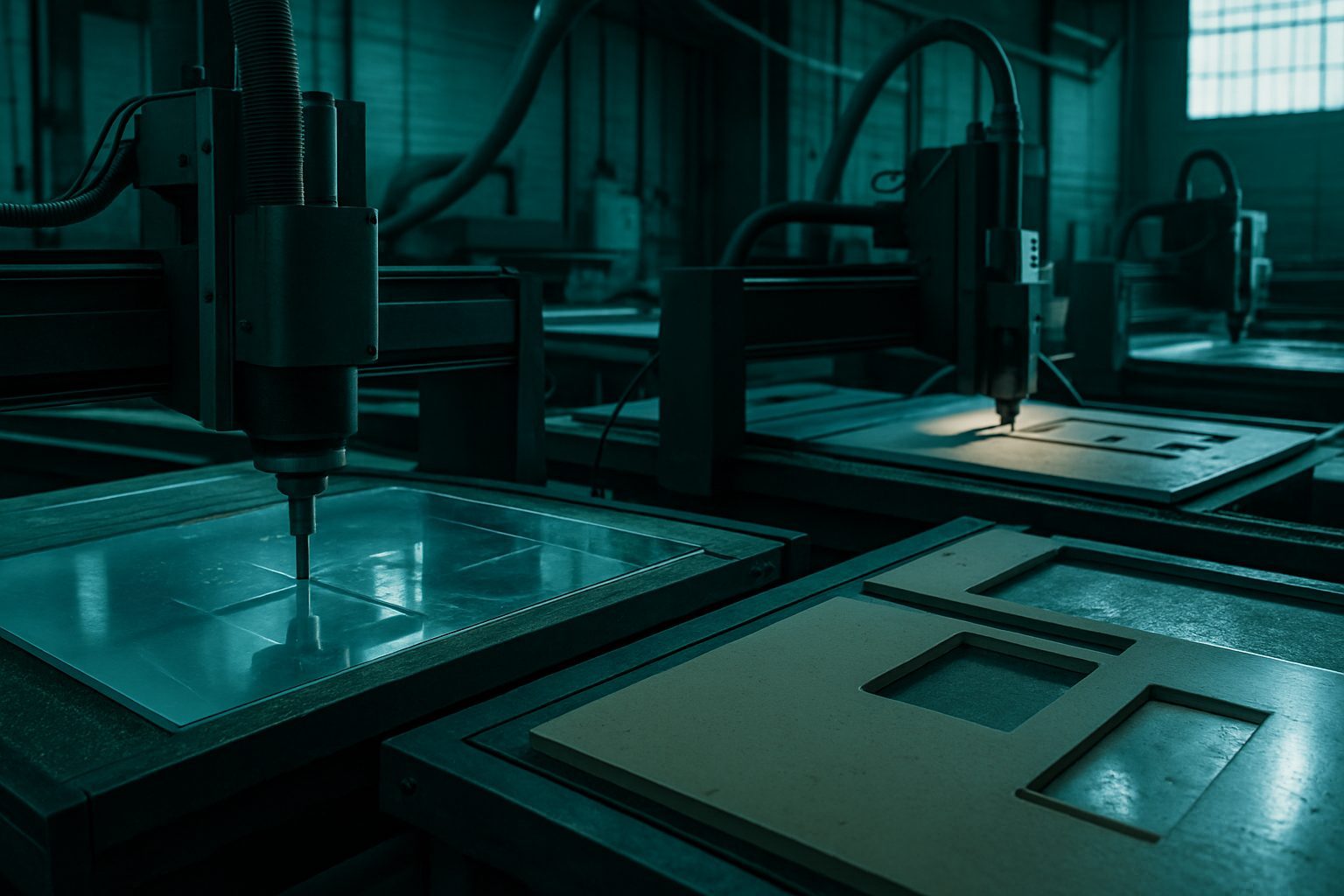
Our Aluminium Plate Bay service covers training, support, and real-world help for getting the best from your aluminium cutting. We focus on what actually works for South African teams.
A common challenge in South African workshops is ensuring accurate fitment when working with aluminium plates thicker than 20 mm. For example, a Joburg team recently ran into trouble when their drawing did not account for the actual kerf variation on their older CNC router. The first batch of cut parts needed rework because the slots were too narrow for the intended fit. The team learned to always run a quick kerf test on offcuts before starting a new batch, especially when humidity or temperature shifts after a Highveld thunderstorm. This small step now saves them hours of hand filing and avoids delays in the handoff to powdercoating.
It is also important to check that lifting equipment, like cranes or trolleys, is rated for the weight of full-size plates. Several sites have lost time when a bakkie arrived at the wrong entrance or a crane was just short of reach. Listing these limits up front makes the workflow smoother and keeps the bay moving, even when the unexpected happens.
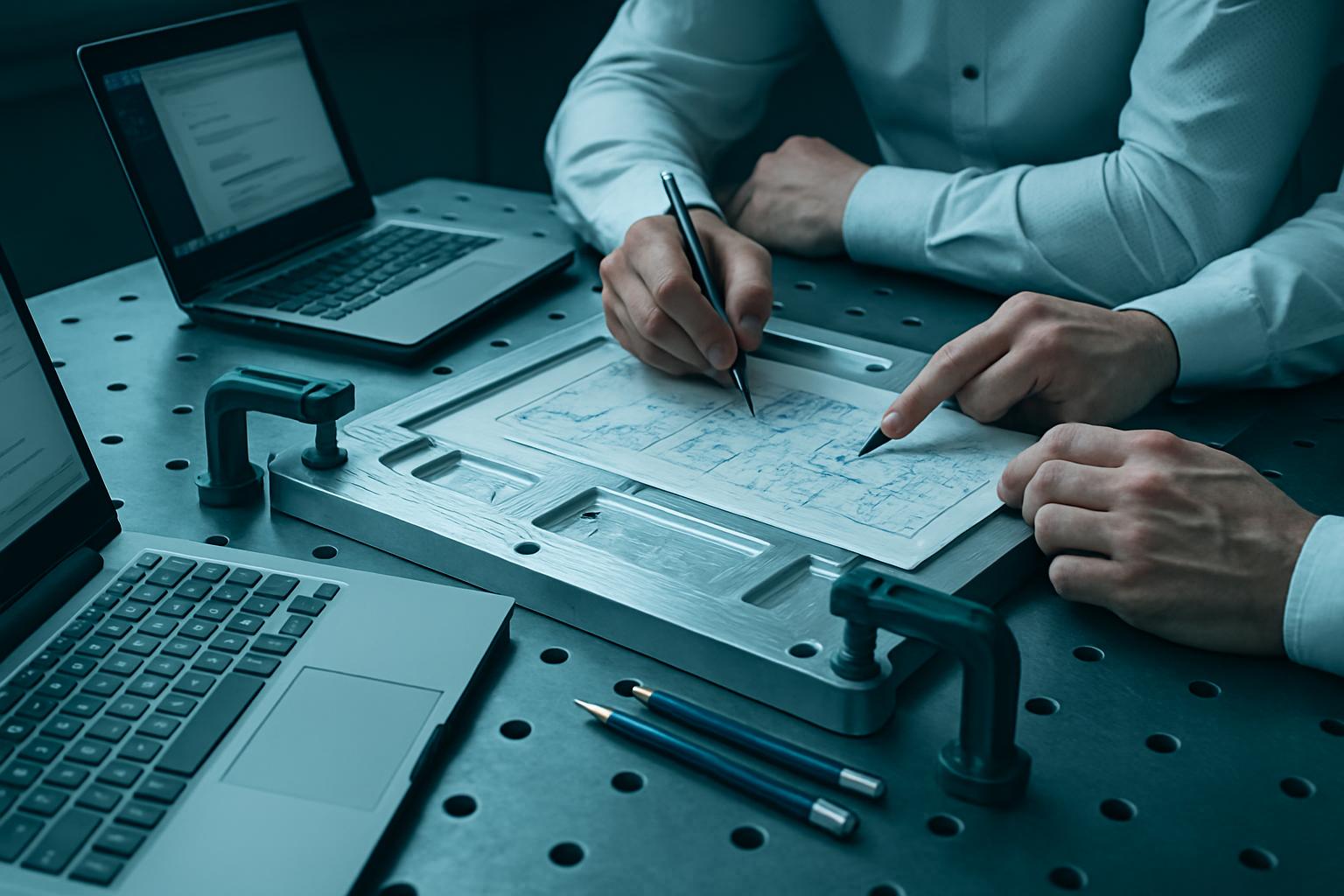
See support and kerf log template. Use our contact form.
The Aluminium Plate Bay service is designed for workshops, factories, and build teams working with flat aluminium in thicknesses from a few millimetres up to 40 mm. We support both new bays setting up on the Highveld and older sites on the coast dealing with pitting or residue. Our service is not a generic introduction or replacement for hands-on time, but it does fill gaps when drawings turn up late, constraints change, or a batch needs rerun because the first pass did not survive the bench.
If your operators need hands-on guidance for nesting thick aluminium plates, prepping finishes, or coordinating handoff to the next machining step, we provide that practical support. We do not focus on theory or academic frameworks, and we do not rewrite your internal process manuals. Instead, we address the realities of South African workshops, from moving plate stock between Bloemfontein and Pietermaritzburg, coping with Eskom outages, to working with a mix of modern and older machinery.
Most teams ask us to review workflow and plate handling, confirm if a change in drawing or spec needs a different nesting, or advise on prepping cut parts for minimal rework. When something goes wrong on-site - such as a last-minute revision or the wrong finish picked for a humid Durban bay - we help correct it before you rack up overtime or waste a second delivery. The process starts when you send us your latest drawing, note your real constraint (weight, budget, or timing), and highlight any change since your last batch.
We usually give clear options based on your site’s limits, like whether your cranes or trolleys can manage a full-size sheet, or if your team should cut to sub-panels before final profiling. We keep all recommendations practical and tailored to your operators’ experience and the local power situation (three-phase in Germiston, single-phase in smaller towns).
This service suits South African teams who value clear handoff, minimal workshop delays, and honest talk about what works with local supply, weather and skills. If you have a seasoned crew but get caught out by late customer changes or municipal paperwork, our approach saves you extra callouts. It is not a fit for sites where compliance routines or global corporate rules override hands-on adaptation.
We do not replace your in-house safety or maintenance lead, and we do not intervene in HR or disciplinary matters. Our value lies in helping mid-sized build teams, site managers and owners who want parts to land ready for the next bay, not a second day of touch-ups.
A Polokwane fabricator needed 20 aluminium table-top blanks profiled and ready for powdercoating. The owner sent a revised DXF after hours, but by then the plates were about to be crated for transport. He emailed us, flagged the new corner radius as a constraint, and attached three photos of the receiving site. We paused crating, verified that a change in nesting was needed to fit the new spec, and advised a new fixture choice to avoid hand-filing on delivery. The job shipped a day later, and the site crew reported no fitment or finish snags.
We keep a brief note on fixes to similar jobs to avoid repeating old mistakes, so if your site faces something we have already solved, we catch it early. This approach means your follow-up is quicker and more practical than chasing a case number with a call centre.
If you are missing any of the above, send what you can and we will ask for the rest. Clear briefs usually mean less back and forth, and fewer last-minute rushes. For related machine and finish advice, see Aluminium Plate Bay specifications or Finishes, Cut2Shape.
Most repeat costs come from late updates or missing site details. We work best when practical details come first and decisions are written down before the bay switches on. Send us a message through our contact form for support tailored to your floor, not a generic promise.
Verified Google reviews