
Blog

Plate clamps that do not walk

No one wants a 5083 plate skating down the bed and wasting spindle time. This note covers how we keep clamps steady and cut time predictable.

Clamp checks in changing weather

A sudden Highveld thunderstorm or a humid morning in Durban can change how clamps behave on the bed. We have seen plates start to shift mid-cut after a cold front rolls in, even when the clamps were solid at setup. Always check your clamp pressure and contact points after a major weather change, especially with softer alloys like 5083. Wipe down the bed and clamp shoes to clear condensation or fine grit before the first pass.

One common mistake is skipping this recheck between shifts or after lunch breaks, when air temperature and humidity can swing. If your clamps start to walk just as the weather turns, stop and reset before it gets worse. It is much faster to check now than to re-nest or recut a plate that has drifted out of tolerance.
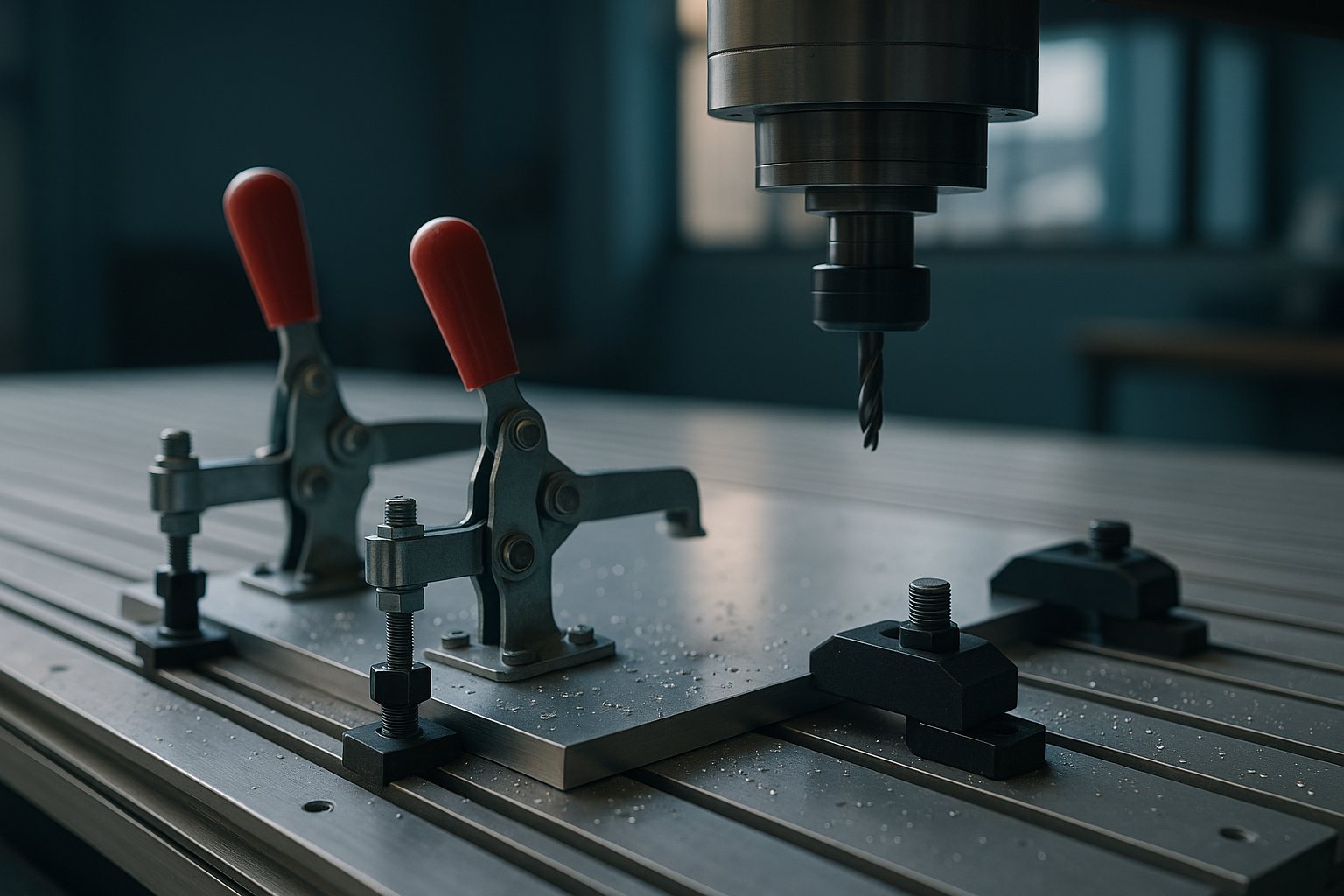
Workshop context

Stopping 5083 plate from skating mid-pass.

What ‘walking’ plate clamps really means

If you have ever watched a plate of 5083 shimmy out of position during a CNC pass, you have seen a clamp ‘walk’. This is most common with softer alloys, wide plate sizes, or old clamp shoes that have lost their grip. In South African workshops, this is not only a safety headache but also a threat to schedule and material yields. On a floor running three shifts, resetting a slipped plate means overtime and lost trust. You want clamps that do not move until you loosen them, no matter if you are in Gqeberha or a smaller Gauteng bay.

Who needs fixed plate clamps, and who does not

Workshops cutting aluminium, especially marine-grade 5083, see this problem quickly because the finish and tolerances show every slip. Teams in Mbombela, Durban, and anywhere salty or humid learn this even faster. If your operation moves plate from CNC to welding with one fixture, or you need to hand off to a crew who did not set up the job, stable clamping counts. Lighter operations, short prototype runs or shops with laser beds and vacuum tables might get away without this level of clamp control. Heavy plate, tight timelines, or new contract crews mean you cannot afford to risk it.

How do we stop clamps from walking?

Start by nailing down the main job constraints before choosing any clamp. On most South African workshop floors, this means checking site access, mains power supply, handover plans, and who signs off at each stage. We always ask: Are there any power cuts or timing pressures that could throw the sequence? Will a new team have to set up at first light? Writing these details down upfront saves time and cuts down on disagreements. Once that is sorted, we match clamp types to both the material and the crew’s skills, using spring or cam units for quick-release work, or mechanical edge clamps for heavy, flat plate. The best clamp setup fits your full shop process, not just what looks good in a catalogue photo.

A clamp that works for aluminium in Germiston may not last a week at a coastal site where salt corrodes everything. Always walk the plan with the actual operator, not just the shift lead. A short close-out note at the bench means the next crew will not waste a morning figuring out what went wrong. You can find more process checks in our posts like Proof pieces before full nests or ask us directly by emailing our contact form.

Worked example: fixing clamp walk on a 5083 load

A team in Gqeberha had to process a 2,5 metre marine-grade plate through CNC, then get it ready for finish welding. Their standard clamp feet kept slipping after a few passes. The operator noticed coastal humidity and oil spray were letting the plate shift a few millimetres each hour, creating a risk of misaligned nests. We checked the shop timing, which was mid-afternoon just before a possible municipal outage, and switched to a serrated-face clamp with a locking wedge. We also added a rubber pad under the foot to absorb vibration. The brief was signed off on a single sheet with clear handover notes. The result: clamps held firm through every operation, and the next shift could finish without a reset. Site conditions, not just equipment, make all the difference.

Checklist: what to prep before you email

If you want practical advice or a walkthrough, emailing our contact form is fastest when you have these ready:

Common pitfalls and local notes

If you skip the step of checking real job constraints, you risk picking a clamp that seems right but lets you down when work starts, especially if it cannot handle three-phase loads or slips on a greasy table. Rushed crews sometimes forget to check for corrosion on clamp shoes in coastal workshops, or assume the next operator will just know what to do. On the Highveld, fine dust can cut clamp grip faster than expected. Always finish up with a simple handover note and make sure to record any power or timing gaps that could affect the job.

If you want industry-specific examples or more local workarounds, the Industries and Machines pages offer more. For other practical tricks, browse our Blog or ask for a callback by emailing our contact form and mentioning this note.

Talk to Cut2Shape

Our contact form · Sunnyrock nest floor