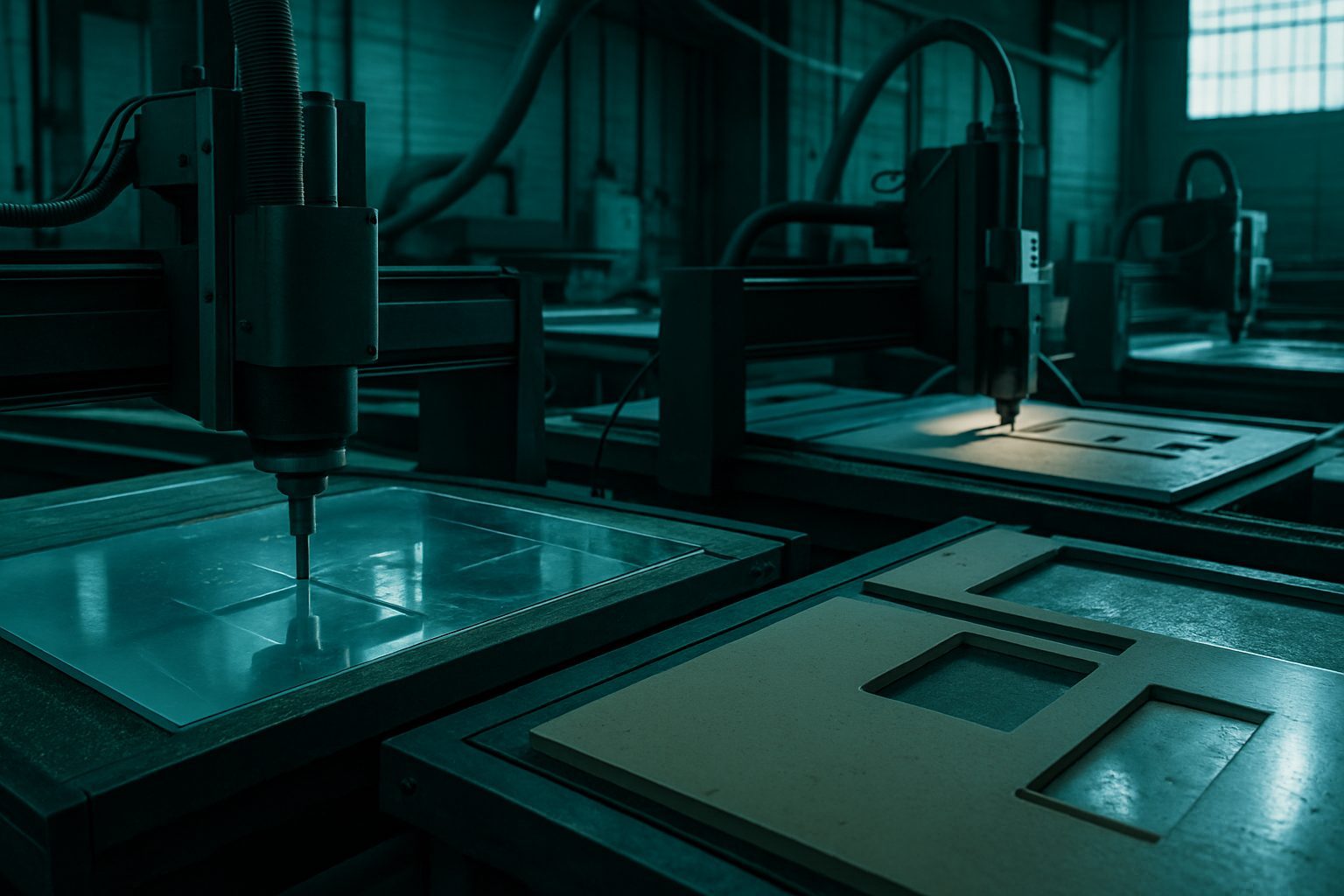
CNC sheet
Here’s how our Precision Sheet Router gets your panels cut to spec and helps you choose the right CNC equipment for your workshop floor.
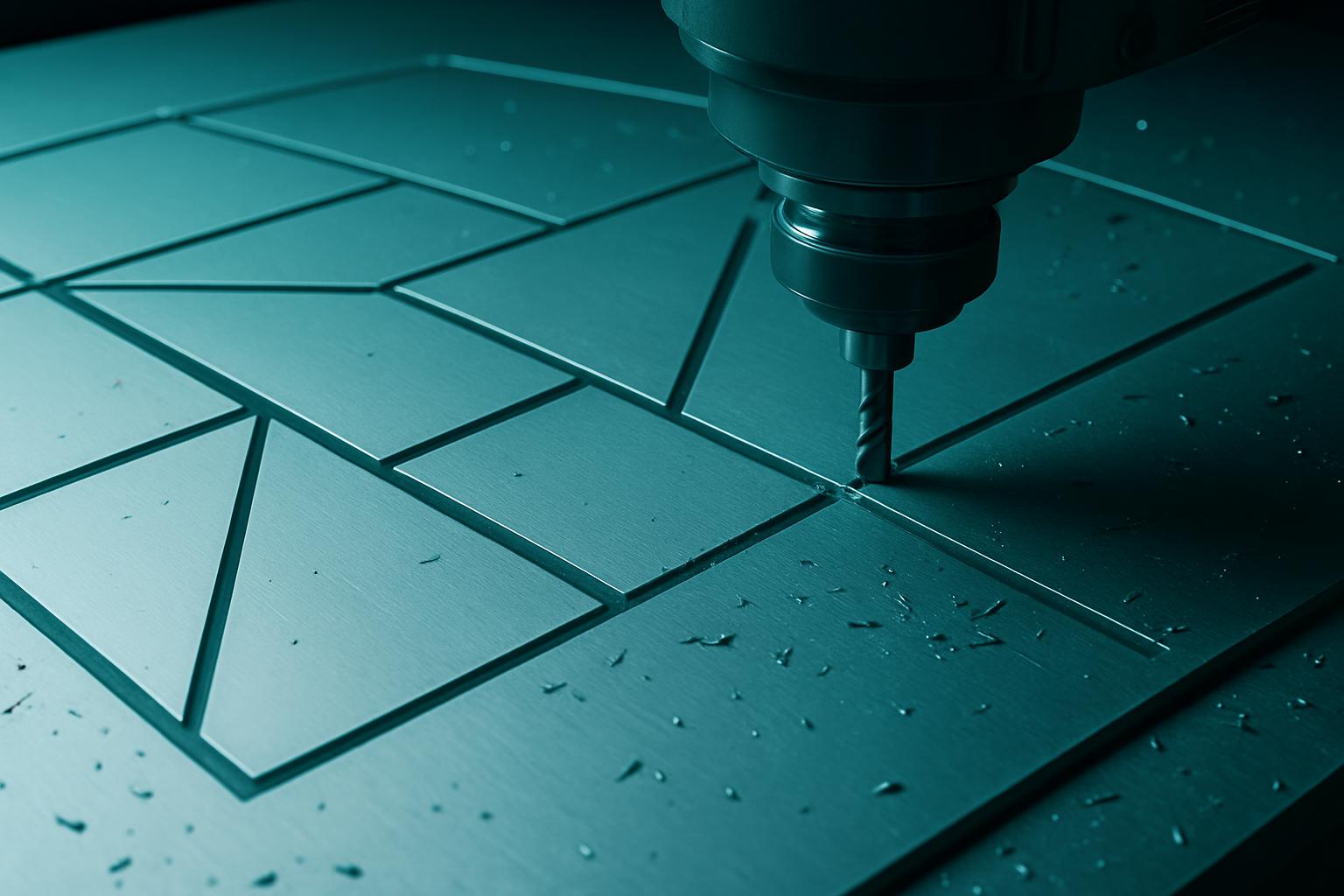
Before starting a new batch on the Precision Sheet Router, run a vacuum hold-down check using an offcut of your actual panel stock. Place the sheet, activate the vacuum zones, and walk the edges to feel for any lift or flex. If you pick up movement on corners or mid-sheet, add or shift clamps and recheck the seal. On humid coastal days, condensation can affect suction, so use a dry cloth to wipe the bed and sheet underside. When running aluminium composite, double-check that the film is peeled only where needed, as loose film can break the vacuum seal and shift your kerf.
Many first-timers overlook this step and end up with sheets that slide mid-cut or panels that are out by a few millimetres. Taking five minutes for this check at the start of each shift saves both material and time, especially on jobs with tight tolerances or nested profiles. Always record which vacuum zones you used, so the next shift can repeat the setup without guessing.
When panels must leave the table ready for the next bend or assemble step, Precision Sheet Router holds nest accuracy without babysitting every toolpath.
| Bed | 1.5 × 3.0 m vacuum |
|---|---|
| Spindle | ATC 9 kW |
| Kerf | Logged coupons |
| Materials | ALU / acrylic / MDF |
| Nest | DXF / SVG / AI |
The Precision Sheet Router is our go-to for teams who need repeatable sheet cutting on aluminium, acrylic, and composite panels. It's built for repeat runs where the dimension, kerf, and edge tolerance need to match from Monday to Friday, not just on the sample. Most Gauteng and coastal workshops use this when the job is too critical for a jigsaw but too wide for a handheld plunge. This machine slots into jobs that need a clean, controlled edge for fast handoff, minimising the double-handling that delays the next process.
Workshops in Stellenbosch, Gqeberha, and Durban often specify the router for signage blanks, enclosure panels, or fit-out components. If your spec calls for multiple up or nested profiles, the Precision Sheet Router nesting & fixtures guide will help you plan layouts that save both material and spindle time. When your main job is sheets, not small parts, and you need feed rates that keep up with a full shift, this platform is a safe pick.
We see many teams rush selection, especially when a deadline's getting close. Before ordering, map your main constraint: is it sheet size, edge finish, tool marks, or shop noise? If you need extra surface control for high-polish acrylic, check AcrylicClear Cut. For thicker stock or heavy plates, the Aluminium Plate Bay is more stable at slow feeds. Tight on floor space or need something that fits a smaller bay? Workshop Compact could be better.
If your jobs change week to week or you cut odd shapes, look at the NestCut CNC Panel and ProfileEdge Router for their flexible fixturing. Always double-check your power supply, material handling, and how you’ll offload heavy panels, 230 V single-phase does not carry the same spindle as a three-phase bay.
Plenty of teams land up with overtime or rework when the job brief is too vague. The big slip is missing your main constraint: always list exactly what must not shift, scorch, or show marks before booking a slot. Skipping a second drawing or leaving out the last fixture photo during a power cut can turn a smooth job into days lost chasing fixes. In Stellenbosch and the Highveld, fast humidity swings can leave sheets warped by morning, so check your material spec and how you’re storing stock before you send through your order.
We log the machine parameters, feeds, and handling notes for every batch so your second shift or next operator knows what worked and what didn’t. Visit our Isando nest bay for a try-on if your project needs hands-on testing, or flick us two site photos on email at our contact form for advice on fixturing and handoff. If your project involves tricky nesting or tight deadlines, Precision Sheet Router service covers service routines and the typical fixes we use for recurring issues.
Keep every setup note handy when you try new materials. If you’re not sure about specs or finishing, the Precision Sheet Router specifications and Finishes pages spell out what’s possible with our routing bed, common panel sizes, and finishing options. We’ll never guess or run silent between shifts, every project leaves a trail.
If you want to see the router’s full fit across industries, see Industries for what local teams cut and assemble. For proof of the unit’s field performance, browse a recent project example or get practical advice from our blog. The combination of detailed machine specs and job stories will help you lock the right plan before sending a purchase order.
When you’re ready, compare the full machines range if you suspect your job needs something more specialised, or if site access or load requirements change between projects.
Verified Google reviews