Industry
We cut and nest plate brackets, jigs, and assemblies for South African aerospace prototype and UAV workshops. Crews get traceable parts, material certs when requested, and plain communication throughout.
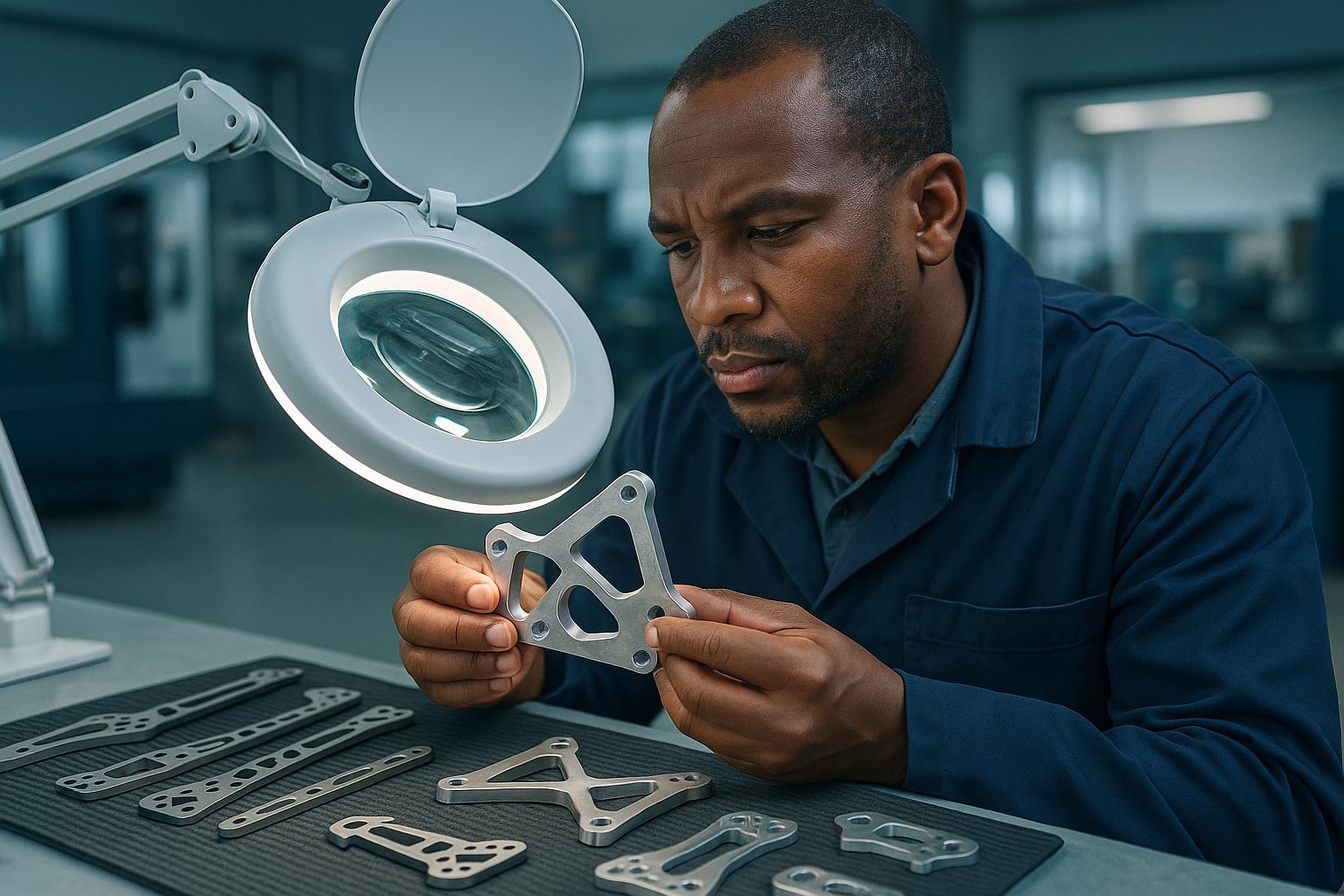
Aerospace prototype bays often cut composite sheets where dust control and tool wear are real concerns. On the floor, our team checks vacuum hold-down and dust extraction before starting any carbon or glass fibre run. If an unfamiliar composite is on the order, we run a short trial cut on a scrap strip to confirm the right feed and tool speed. This keeps edge burn and delamination in check, especially in Highveld winter when static can pull dust onto every surface.
It is easy to overlook how fast a blunt tool can spoil a nest, especially when switching between aluminium and hard composite. We always note the actual tool life and flag if a change is due before the next job. In the busy season, a quick log of each tool's last use by material type helps us avoid cross-contamination and keeps the next set of brackets within spec, even when the team rotates between shifts.

Plate routing for brackets, heat sinks, and light structural parts from 5083 / 6082 plate.
Explore →
Fast-turn sample bay for fit checks, jigs, and the first confident production nest.
Explore →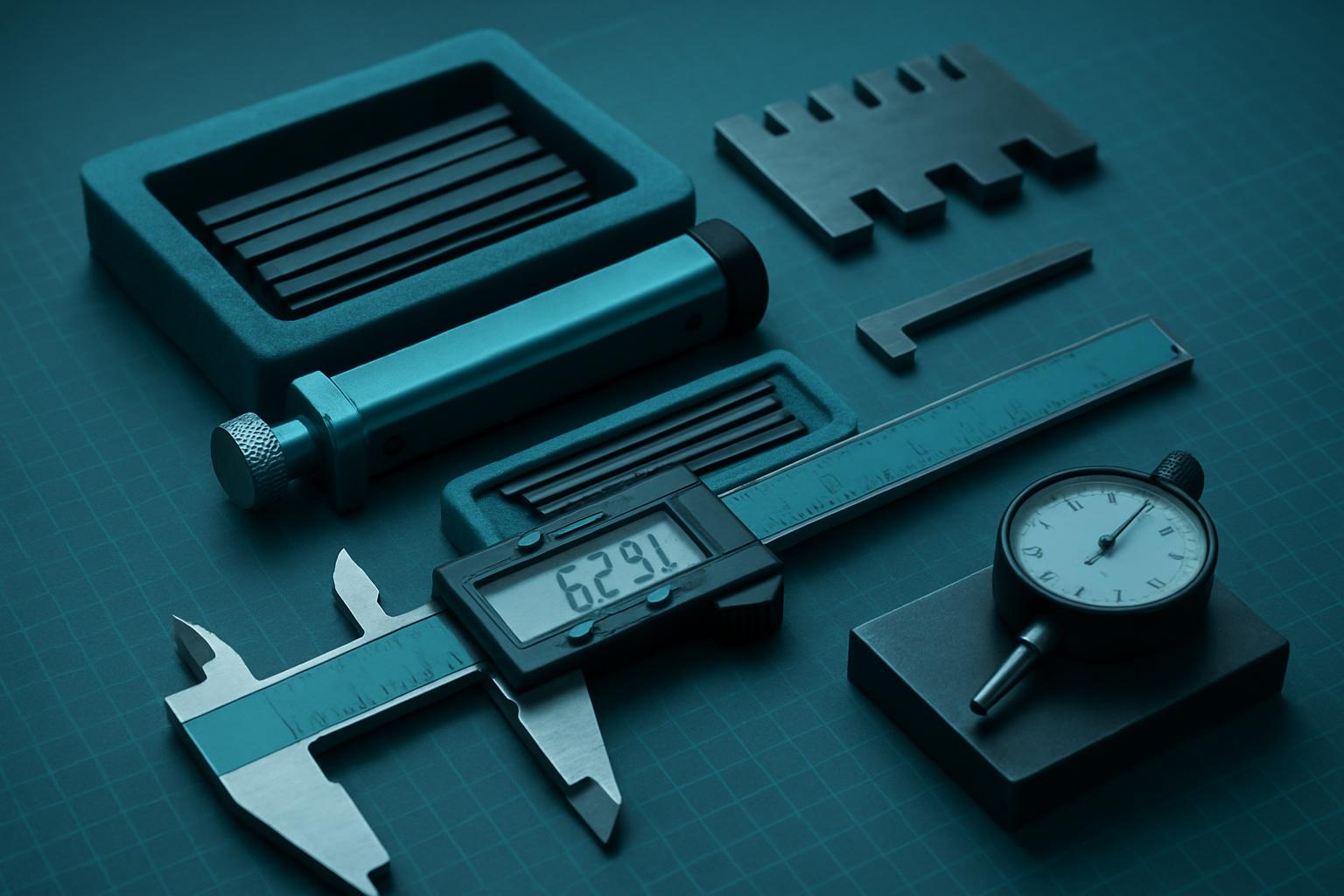
Kerf coupons, calliper kits, and nest reports so cutting stays within drawing intent.
Explore →Prototype operators in Gauteng, Cape Town, and parts of Limpopo rely on us when they need plate brackets, jigs, or subframes for flight cert trials or ground test rigs. UAV teams, aerospace R&D shops, and colleges with experimental airframes brief us for short runs where traceability and fit matter more than looks. If your project needs material traceability, inspection steps, or a log of every tool used, this is routine for our team. If you want a quick cut with no records, or if you are after a finished, flight-ready assembly, we will not be the right fit.
Shops in Midrand, Isando, and near municipal airfields come to us with marked-up drawings or hand sketches. We start by asking about your key constraints before talking about finish or machine. Each job gets its own routing, composite or aluminium usually needs a slower feed and well-noted tool changes. We log each change, especially for unfamiliar composites or when material certs are requested. When a constraint is unclear, the team marks it uncertain, so the right person can answer before cutting begins.
A UAV team in Gauteng needed eight sets of carbon plate brackets for a test airframe, with material certs and clear labelling for post-flight inspection. They emailed a sketch, two phone photos, and listed three must-have dimensions. We reviewed the drawing and asked about the loading direction and the finish tolerance. Since one constraint was unclear, we flagged it for their team leader by email before cutting. We logged tool swaps and kept the nest traceable so every part matched both the checklist and the workshop diary. The final delivery included both the parts and the printout of the cert log, ready for the next assembly stage.
The more specific you are in your first email, the fewer revisions or missed specs. If your prototype needs traceability or inspection, mention it clearly. Two clear photos, your drawing or brief, even if it's sketched on paper, and your timing window are enough to start. If you need material certs or logs for each tool change, add that from the start. If you have a formal statement pack or a revision trail, send that, even if it's not tidy. For jobs near Polokwane, Cape Town, or remote sites, add notes on access and any site rules.
Skipping a written list of constraints usually costs time or risks a re-cut, especially if load direction or finish are not agreed upfront. Rushing feeds on unknown composites can spoil a whole sheet. Our team maintains a habit of marking anything uncertain and logging what failed last time, so we do not repeat the same miss. We use named owners and simple checklists for each brief, so when projects get noisy, nothing falls between the cracks. If your requirements differ from the usual pattern, for example, listed buildings, hygiene zones, or remote power, say so early. A plain question today avoids a scramble and an emergency revisit down the line.
Send a message through our contact form when you are ready to brief a prototype cut. Mention your city, timing, and include two photos if possible. If the project is urgent, put the go-live date in your subject line. The Isando nest bay team typically replies during working hours. To see more about the machines used for aerospace work, visit Machines. You can also read about jobs for marine interiors or event staging where traceability and clear specs matter just as much.
Verified Google reviews