
Resource
This kerf log template gives South African workshop teams a reliable way to track machine shifts and material coupons during production. Download the format that suits your floor.
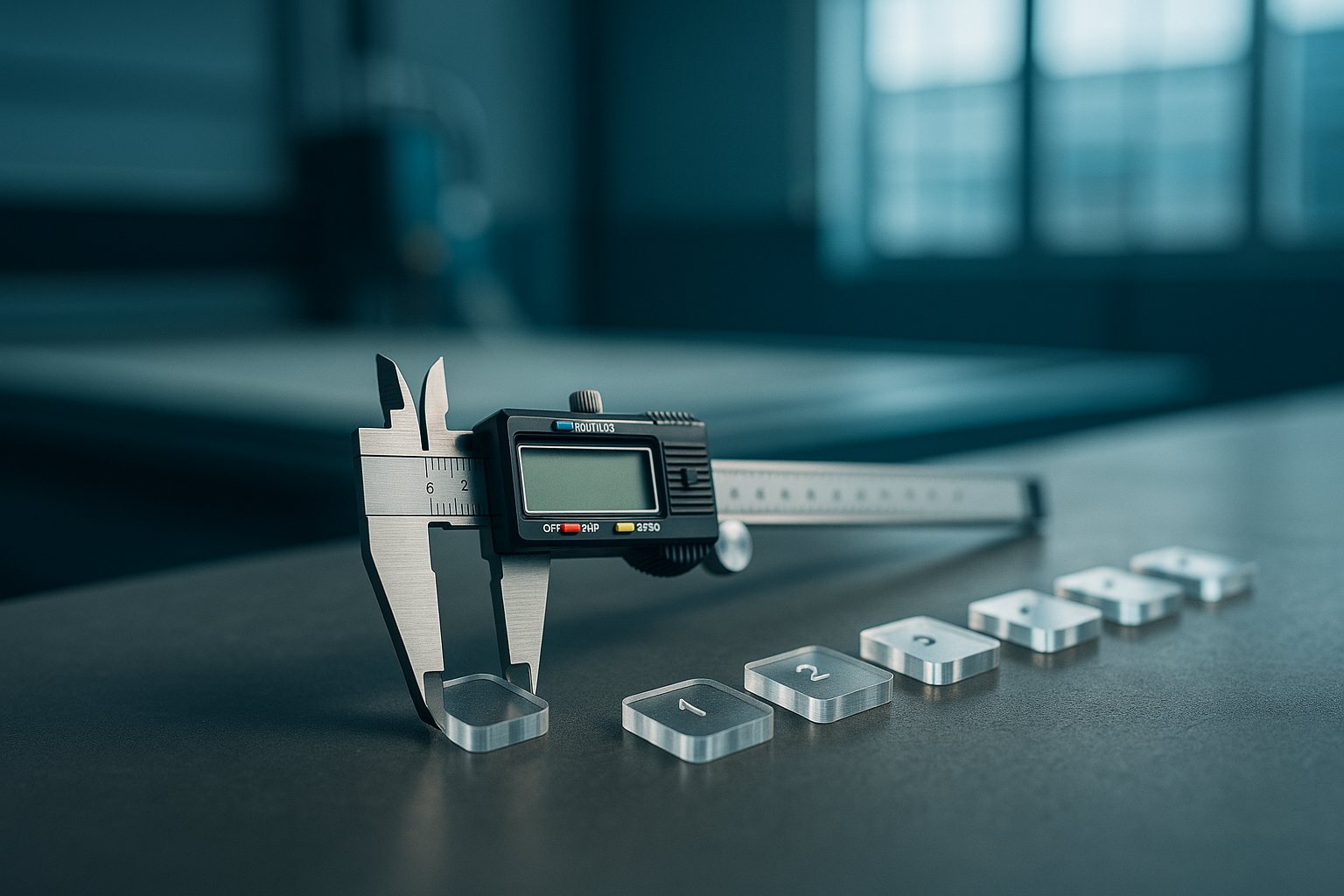
For a tailored pack, use our contact form.
The kerf log template from Cut2Shape is designed for operators and workshop teams needing a practical record of material cuts, shift coupons, and tool changes. Unlike generic tracking sheets, this template records key variables specific to South African floors, such as power interruptions, batch material codes, and nose-wear. It is suitable for CNC, plasma, laser, and other profile-cutting machines in Gauteng, the Western Cape, Durban, or any region where dependable shift records help control costs.
Workshops using the template usually process sheet goods like steel, aluminium, or MDF, and want reliable kerf data to tighten up nesting, avoid scrap, and hand over parts cleanly. The log comes in printable PDF or CSV formats and pairs well with our material coupon pack for a full tracking workflow.
The kerf log template works best for teams running medium to high-volume batches where open-loop trial and error becomes expensive. If your operators juggle multiple profiles per shift, or swap between jobs for Gauteng and coastal clients with different tolerances, keeping a log saves time and reduces rework.
However, one-off shops cutting only for home projects or seldom using the same setup twice may not see enough long-term value. Manual torch or hand-tool work without repeatability, or teams with no fixed tool library, usually find the detail unnecessary for their workflow.
On a typical shift, the operator starts a fresh kerf log sheet with each new batch. They record the date, batch ID, machine reference (using your machine list if needed), and the starting material coupon sizes. Every key event, like a tool change, coupon measurement, or any power cut, gets logged. In areas like Germiston or the East Rand, some teams also note Eskom outages or municipal faults, as these can affect kerf width and cut quality. At the end of the shift, the completed sheet goes to the foreman or quality checker for safe keeping and traceability.
The CSV version can be imported into your production system or shared between teams. Combine it with our DXF hygiene guide and outage queue card for a workflow that maintains clear part handoff, even when unexpected outages interrupt production.
Picture a CNC bay in Springs cutting a batch of 1.2 mm galvanised plate. The operator prints out the kerf log, fills in their ID, machine number, and material batch. After the first coupon is cut, they log the measured kerf width and note any differences. Halfway through, an Eskom outage halts the machine for 90 minutes. Once power is back, the operator records the restart time and takes a new coupon measurement, as tool temperature and the stop-start can impact accuracy.
At the end, the operator hands the filled sheet to the foreman, who files it with job notes for future reference. If another operator picks up this job next month, they trace which parameters and coupons matched spec, saving guesswork. The team’s tool library starter can pull data from these logs to inform tool swaps.
Being ready speeds things up and helps you get more from the template when you send a message through our contact form to request a tailored pack. Double-check what you want to track, the machine types on your floor, and any site-specific challenges like three-phase instability, dust, or humidity.
A clear log is easier to hand off between shifts, especially in bigger teams or multi-site operations stretching from the Highveld to the coast. Planning ahead also means fewer gaps at audit or job sign-off.
South African teams sometimes skip key fields or backfill the kerf log after a rush, losing the accuracy that makes the sheet valuable. Inconsistent coupon measuring (especially with different tools or operators) leads to confusion at handoff. Some workshops forget to log power events, so changes in cut quality go unexplained. A little discipline on the floor, and regular review, solves most of these pitfalls.
We recommend weekly check-ins and pairing your kerf log with our vacuum zone map for shops using large-format routers. For more advice on production records in local conditions, browse the main resources catalogue or send a message through our contact form.