
Resource
Get your team set up to cut acrylic, ACM or MDF with proven starter bits. This guide covers what works for South African floors and what to have ready before you order.
For a tailored pack, use our contact form.
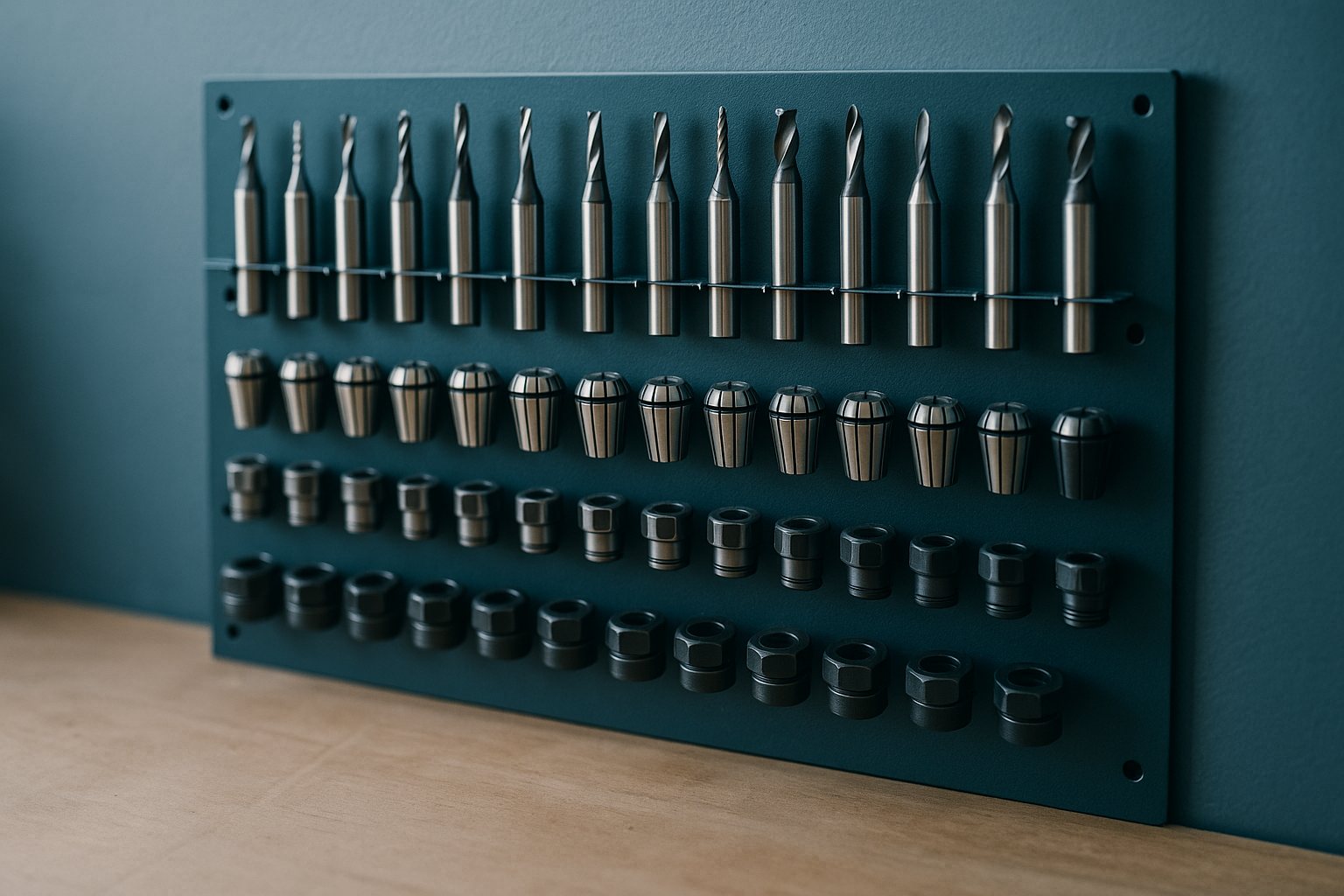
A starter tool library pack is a practical collection of reliable bits and cutters, matched for typical work in acrylic, aluminium composite (ACM) and MDF boards. It is tailored for South African CNC and profiling machines, with attention to our power, climate, and common locally available sheets. These packs suit both first-time CNC owners and established workshops adding new materials or machines. Instead of endless catalogue browsing, you receive a working set that gets jobs out the door.
Workshops in Gauteng, Durban, Cape Town and Bloemfontein face different humidity, dust and power interruptions. A curated starter pack helps you avoid delays and wasted material from guesswork on feeds or tool breakage. We have seen too many benches slowed by mismatched bits or blunt imports. This pack is built with what actually gets the job done in our market.
Starter packs suit South African job shops, school makerspaces, college technical labs and smaller manufactories needing a known-good set when beginning with acrylic, ACM or MDF. If your team is updating an older machine or expanding to new board sizes, these bits help avoid expensive mistakes during initial runs.
If your floor already runs high volume on precision tooling and you track every millimetre of wear or kerf, you likely have advanced preferences. In those cases, a tailored kerf log template or custom tool specification may serve you better than a starter set. Likewise, specialist industries such as sign-making for coastal malls may need bits with corrosion-resistant coatings, not part of the basic library.
Once you have the starter pack in hand, your operator matches each bit to the prescribed use, slotting, profiling or pocketing, following the supplied chart. Common sizes fit most South African 6 mm and 8 mm collet spindles. MDF cutters are selected to cope with Highveld dust, while ACM and acrylic bits are proven on 230V three-phase machines.
A typical workflow: The operator unpacks the labelled set, checks fit in the spindle, confirms the matching feed-and-speed chart, and runs a trial pass on an offcut. Adjustments for local humidity or power supply are noted on your shop's kerf log template. Cleanup after the first batch is less, and the supervisor can reliably forecast tool changes. This handoff gives you parts ready for finishing, assembly or handover to the next bay.
A workshop in Germiston upgrades to handle ACM screens for a local builder. They email us their machine specs and board sizes, plus a snapshot of typical cuts. We send the starter pack, with each bit labelled. The foreman runs first articles on scrap ACM using the supplied feeds and speeds, catches a chip-weld issue mid-run, and adjusts coolant flow as per the enclosed notes. Within a day, the team completes their sample batch without cracked panels or downtime spent on unsuitable tooling. The parts go to assembly with only a light edge finish required.
Before you request a starter tool library, gather details so we can build your pack. This reduces back-and-forth and avoids costly mismatches.
Check your machine’s spindle type, power supply (single or three-phase), and available collet sizes.
List the main board types and sizes you plan to process (for example, 3 mm clear acrylic, 16 mm MDF, 4 mm ACM).
Note any previous trouble with specific materials (such as melt or chipping).
If your team runs shifts that change with power cuts or outages, let us know so we can recommend extra spare bits.
Send a short summary of typical jobs and any drawings, if possible. The more detail up front, the less guesswork later.
Send your info through our contact form. We’ll respond with a suggested pack and a simple quote before spindle hours ever start.
Many first orders run into trouble by selecting bits only from generic catalogues or copying imports not suited to local humidity or board stock. Collet size mismatches and missing adapter rings are common. Do not guess at spindle specs. Always check your board composition: South African MDF and ACM grades sometimes vary from European or Asian standards.
Overlooking spare bits during outages or failing to label new cutters often leads to downtime. Always use the supplied feed and speed charts, as our packs are set up for real South African workshop floors. Use guides like our DXF hygiene guide and nest checklist to minimise tool wear and material loss right from the first run.