Resource
Answers for South African workshops dealing with CNC sheet cutting. See what to prepare, who this suits, and examples from our own factory floor.
For a tailored pack, use our contact form.
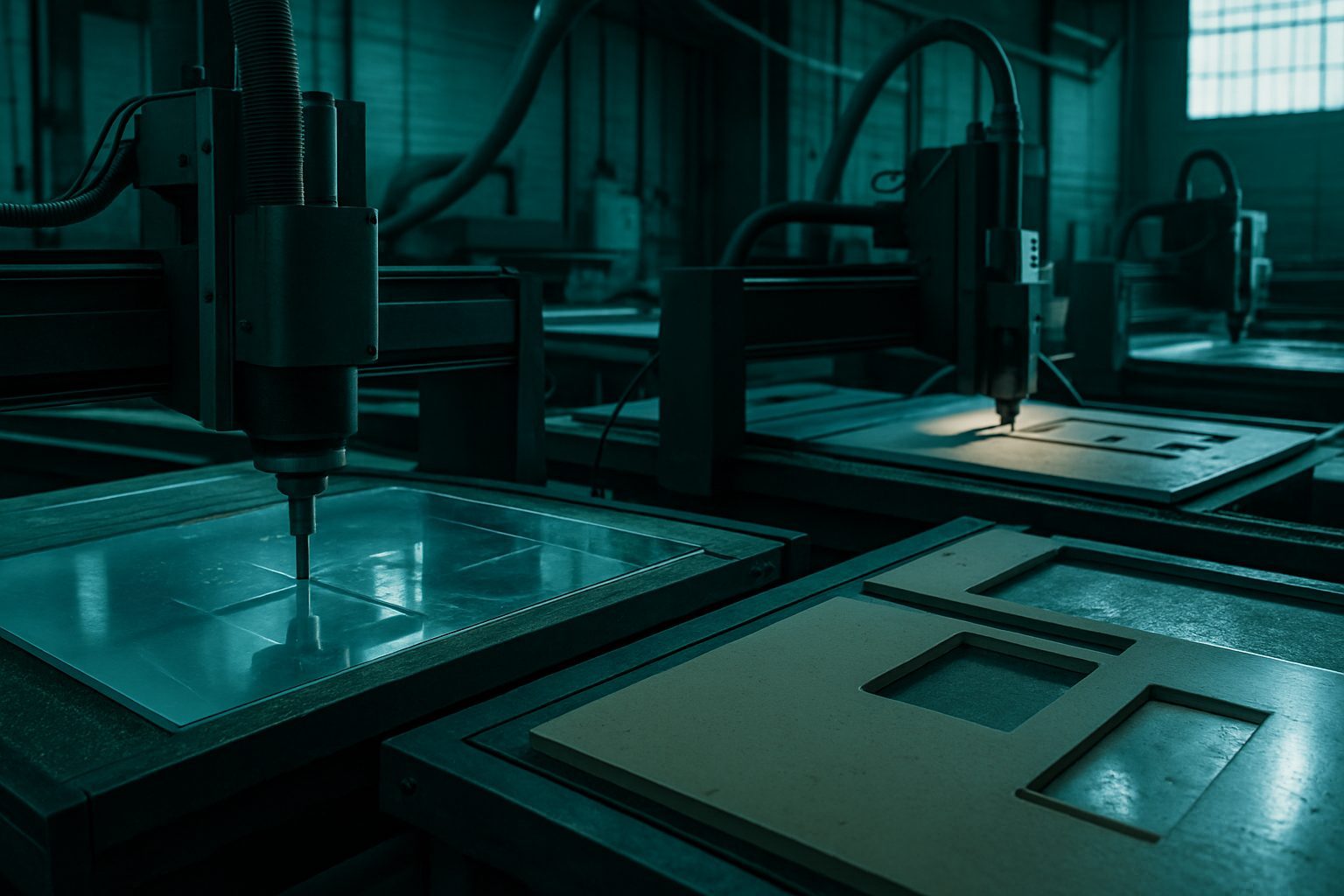
CNC sheet work means using computer-controlled machines to cut, profile or engrave flat panels in aluminium, MDF, plywood, plastics and similar goods. This is a common choice for cabinet makers, shopfitters, metalworkers, signage firms, and production lines needing repeat accuracy. We support one-off prototypes and batches running into the hundreds, from Germiston to Gqeberha. CNC sheet cutting isn’t the best fit for hand-drawn templates, thin foils or single tiny parts - it works best when you need consistent repeats off the same sheet size, and when you have or can supply a compatible digital file.
South African workshops use CNC sheet cutting where worksheets, nested parts, and local materials matter. On the Highveld, finishing processes and edge sealing differ from what Cape Town or Durban humidity demand. Most teams email us their production files, confirm the sheet spec, and agree on whether offcuts are returned. Large format boards get handled by two operators in our Germiston bay, while smaller acrylics or aluminium go through the smaller machines. If you need a sample first, see our shipping samples resource.
Most fabricators come to us when manual jigs or table saws no longer deliver enough accuracy, or when the repeat work makes hand profiling too slow. On the flip side, highly custom jobs that change every time or use old, non-standard sheets can trip up a CNC process. It's easy to lose a morning to fixing irregular files, so lining up your DXF or nesting is worth the effort.
A Germiston joinery emailed 25 board layouts for repeat kitchen panels. Each drawing arrived as a layered DXF, which our team checked for overlapping lines using the DXF hygiene guide before slotting them into a nest checklist for best yield. After confirming board orientation and part labelling, the client approved a test cut on standard Supawood. Because exposure to Highveld dust matters, we suggested sealing the edges between cuts, which the joiner accepted. The panels arrived ready for immediate assembly, saving the workshop two or three afternoons of sanding and trimming.
Not every order is as tidy. If a file's missing a layer or the part names don’t match the spreadsheet, we will need to pause for a quick email. These are the snags that slow jobs in real life.
CNC sheet work moves quickly when the right info is ready up front. If it’s your first time, or you’re used to subbing out parts to a mate with a router, it pays to double-check the details. Every file sent to us is screened for nest efficiency, part collision and machine limits, the more you cover on your end, the faster we’ll be able to schedule spindle time.
Check the DXF hygiene guide if you’re not sure about layers, or chat to the draughtsman who set up your files. If you need us to use specific materials or want a certain finish, mention it in your email and we’ll run through finishing options or phone you to confirm. For time-sensitive batches where outages might affect scheduling, see the outages queue card for practical steps.
Workshops sometimes send through hand sketches or incomplete files expecting a quick quote, but CNC teams can only price and nest what’s digital and complete. Files missing dimensions or with doubled lines can trigger machine errors. Also, choosing the wrong sheet spec often leads to issues at assembly - always confirm if you need marine ply for coastal use, or powder-coated aluminium for signage. On our end, we’ve had to re-cut parts when a client sent the wrong file version after a late-night revision.
Another common issue is overlooking offcuts and waste. If you plan to use offcuts or want to keep scrap to a minimum, let us know in your mail. Most jobs are turned around within a few days, but delays can happen if there are unexpected power cuts or if there’s a backlog from other Gauteng or Highveld workshops. We’ll update you if anything changes, but having your deadlines clear from the start helps everyone plan around possible outages.
If you’re ready to quote or want to walk through a job, send a message through our contact form with your drawings and any notes about material or turnaround. For new clients, mention your industry or similar jobs you’ve done. This helps us pick the right machine and operation slot. Browse our resources or check the tool library starter if you want more detail on cutter options and finishes.
For hands-on examples and tips from other industries, see the projects and industries pages. Our team works with buyers, production managers and one-man workshops across Gauteng and KZN, so you’ll get advice that matches your shop’s size and tools.