
Industry
We cut prototype boards and foam for packaging samples and dies, so you can judge crease and cut relationships before committing to steel-rule or bulk production.
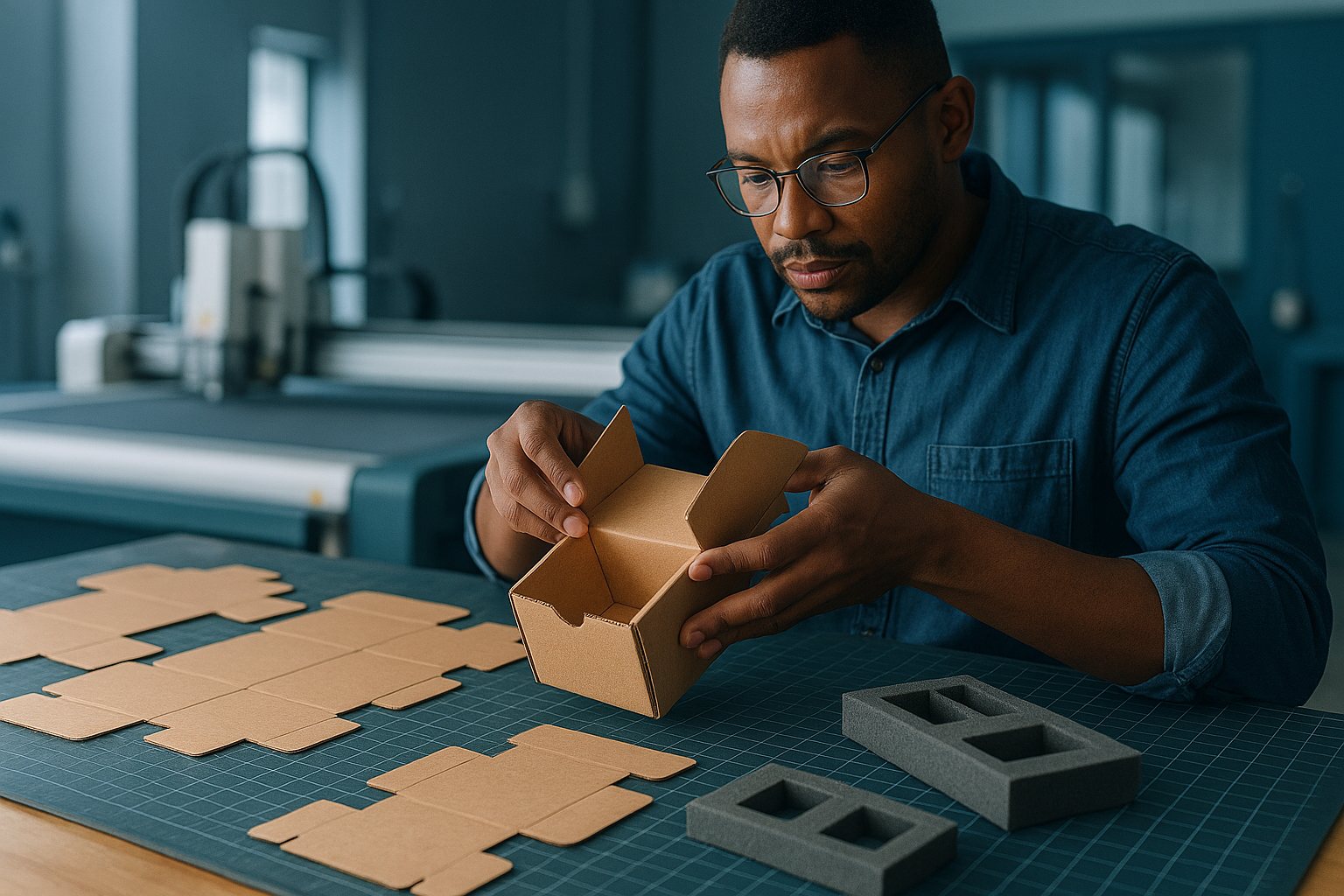
When cutting prototype boards for packaging dies, local humidity can cause board warp or changes in crease behaviour. On the Highveld, dry winter air can make a board stiffer, while coastal humidity in Durban or Gqeberha sometimes causes swelling or a soft crease. We often recommend letting your sample boards acclimatise in the workshop for a day before running the final cut. This helps the material settle, so you get a more realistic fold and fit when testing the prototype.
A common mistake is to approve crease and cut positions on a freshly delivered board that has not settled, especially if it has travelled between cities. This can lead to surprises when the final die run does not match the prototype. Always check the board feel and crease with the folding team after acclimatisation, so the sample behaves like the production batch.
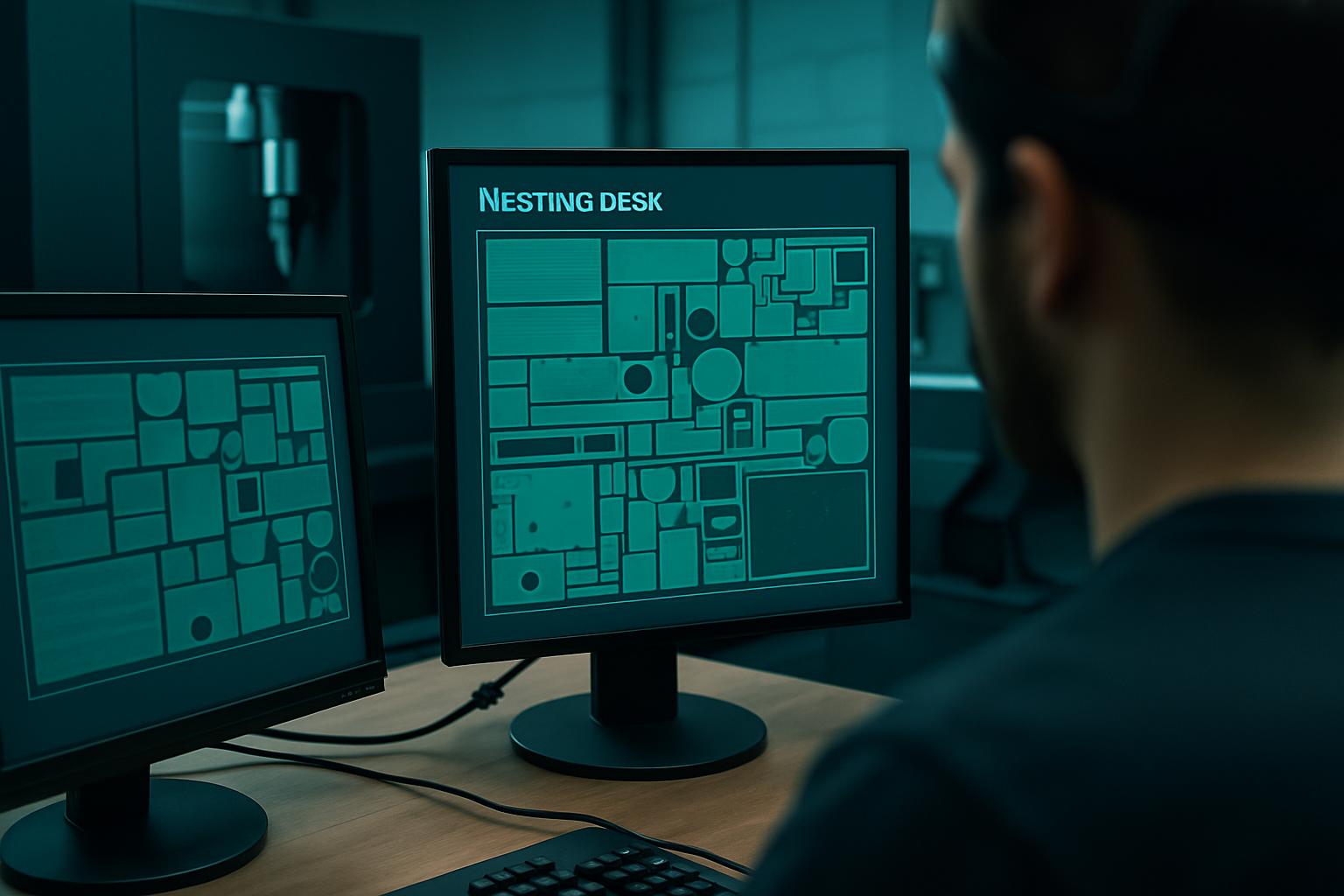
High-yield nesting set for mixed sheet SKUs, less scrap, clearer labels.
Explore →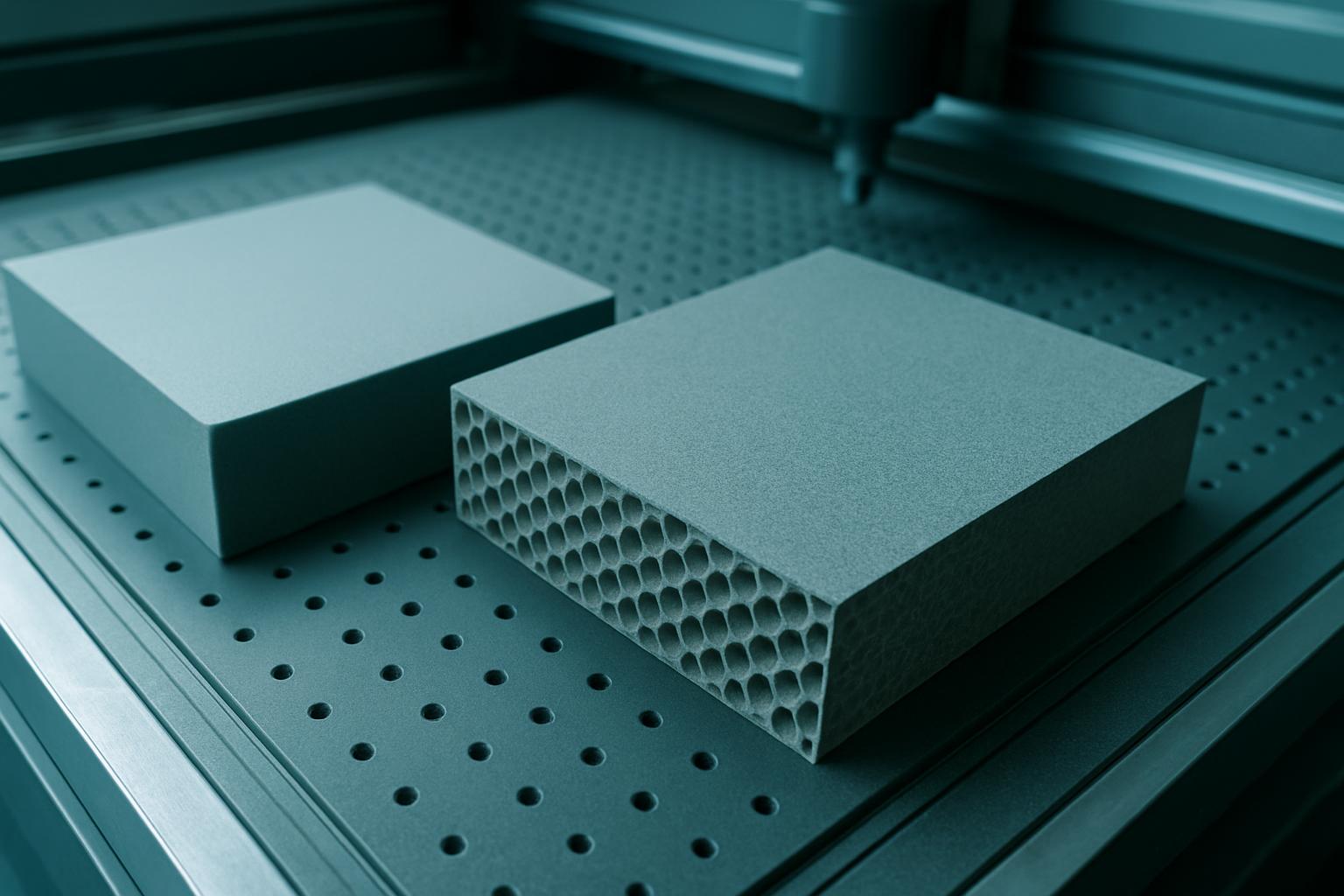
Foam, honeycomb, and sandwich-core nesting for exhibition and staging builds.
Explore →
Fast-turn sample bay for fit checks, jigs, and the first confident production nest.
Explore →In packaging, every sample needs cuts and creases that match the final folded product. At Cut2Shape, we provide cleanly cut prototype boards and foam for folding teams, packaging designers and box manufacturers. Our service suits those who need to test and prove a design before ordering steel-rule tooling or a long production run. We know how local packers, printers, brand agencies and folding crews work, whether you are in Gauteng or sending samples up to Gqeberha or Durban.
Our work fits best for prototypes, small batches, and layout proofs. If you only do hand-cut cartons or work purely with digital print, machine cutting may add costs you do not recover. But if your brief needs accuracy in crease, slot, and edge relationships, or if your customer expects a sample that folds like the finished product, we can help you make the call early.
The job starts with a clear statement of what matters on the sample. Some teams only care about the crease depth, others about the position of a window, and some about board grain. We ask for constraints upfront because guessing leads to wasted sheets and unhappy mornings. After you brief us, we provide quick feedback, sometimes with a call to clarify odd details the drawing did not show. We then nest and cut your boards or foam on our Isando bench, usually in a few working days.
Jobs often move faster if you already know your board caliper, crease rule and any artwork bleed. If not, we can still process the sample, but the first cut may highlight what to adjust before final die approval. Our operators keep a note of what failed on similar briefs, so repeat hiccups are rare. If you have worked with local packaging plants, you know how much one unclear note can stall a run, our checklist approach keeps it moving.
A folding carton client in Cape Town needs to test a new box for a wine brand. They email us two constraint photos, a sketch with dimensions, and details on the required board thickness and crease spacing. We confirm if the main concern is the snugness around the bottle neck or the smoothness at the fold. After checking delivery timing and any site access problems, we cut several prototype boards. The folding team reviews samples, spots that the crease position needs a small tweak, and only then does the owner confirm the final die order. This step saves everyone a costly remake.
Most weeks, we see similar projects from agencies needing launch samples, FMCG packers trialling inserts, or engineers who want to check fit before committing budget to steel-rule dies. If your job needs artwork in register, or the board must behave in a humidity-controlled room, let us know upfront.
Good prep saves time and mistakes. Before you send a brief through our contact form, get these items ready. You do not need a CAD drawing, but the more info you have, the cleaner the outcome.
A short note describing the purpose of your sample helps. If you have run into access rules (listed buildings, remote facilities, or hygiene zones), mention these early. If you are in a hurry, say your target go-live date in the subject line. Two clear photos of any physical constraint or previous sample are worth more than a long text brief.
In our experience, most delays come from unclear constraints or last-minute spec changes. When the owner or foreman does not pin down what matters (crease position, artwork edge, board feel), the sample will not satisfy the folding team. Unusual site or delivery access, especially in Cape Town, Stellenbosch, or Kimberley, can delay a project if not raised early.
Another pitfall is skipping a prototype cut to save a few hundred Rand, only to discover fit or fold problems after the costly steel tooling is made. We would far rather ask a plain question upfront than gloss over a real issue. If your packaging dies job involves hygiene-sensitive sectors, listed sites, or non-standard board types, say so on your first mail. Clear checklists and honest notes keep workshop buyers and folding crews off the back foot.
If your constraints change or you work across industries, such as shopfitting, retail fitouts, or event staging, we can often adapt our cutting service for those needs. Browse our Machines and Projects pages for more details or see adjacent sectors like furniture makers and kitchen manufacturers.
For packaging dies queries, send a message through our contact form with your city, timing, and two photos showing your main constraint. We reply from Isando nest bay during ordinary business hours. Our practical handoff means your parts arrive ready for the next operation, not another afternoon with a blade on the bench.
Verified Google reviews
