
Industry
We cut kitchen carcass and door panel nests with care for your sheets, grain direction and remnant control. Our team organises clear specs so your next job moves forward, not back to the saw.
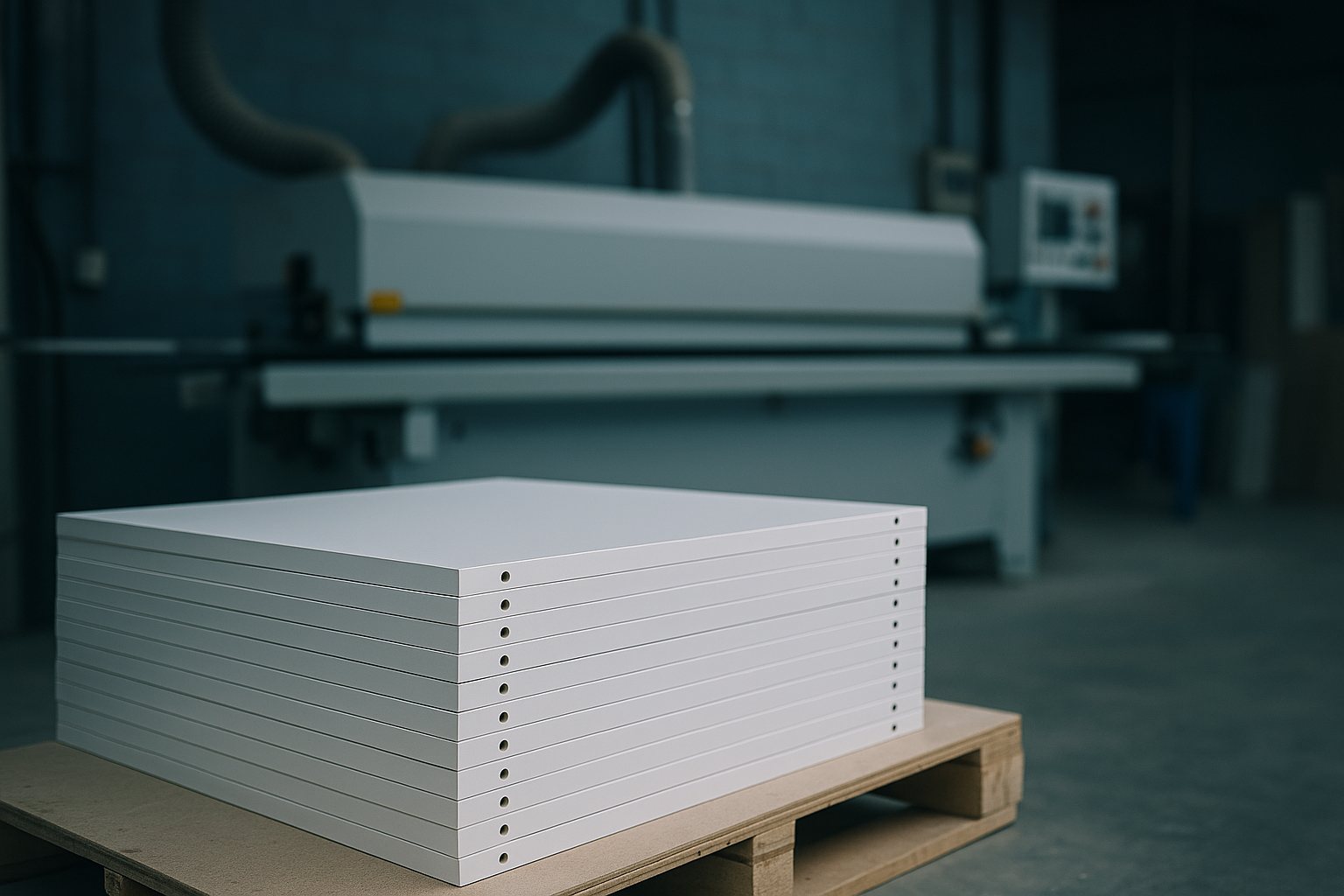
One of the most common mistakes on kitchen panel runs is missing the detail on grain direction or not updating a cutlist after a last-minute client change. For example, a batch of carcass panels for a Pretoria townhouse project arrived with the grain running the wrong way on half the doors. The fitter lost a full day trimming and re-edging, and the replacement order needed fresh sheets. Always double-check your final list and mark grain clearly on all visible faces before sending. It’s also worth walking the site to confirm access routes, especially if the panels need to go up narrow stairs or through small lifts. These small checks up front save both time and materials.
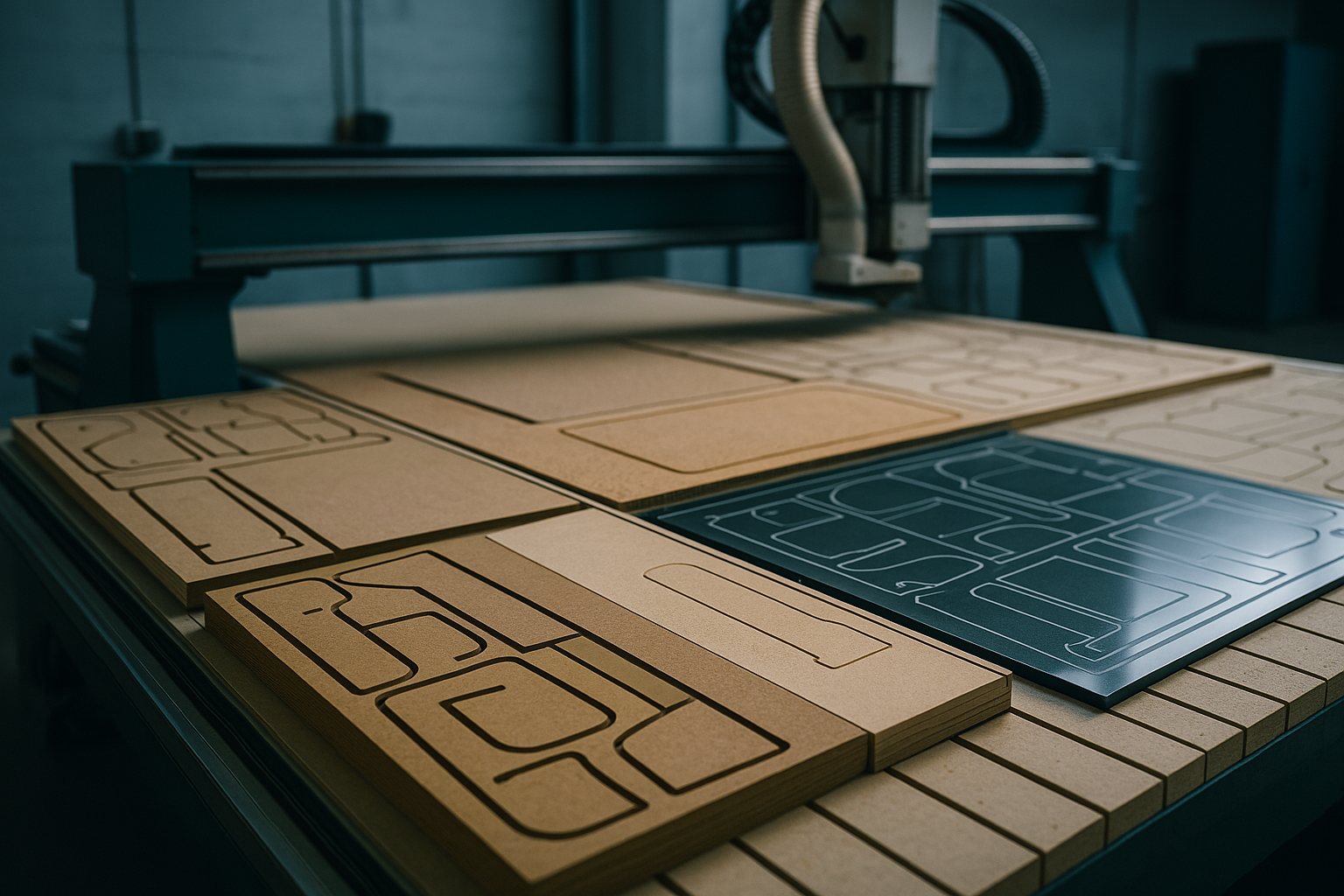
Batch nesting across mixed sheet thicknesses with remnant carry-forward.
Explore →
High-yield nesting set for mixed sheet SKUs, less scrap, clearer labels.
Explore →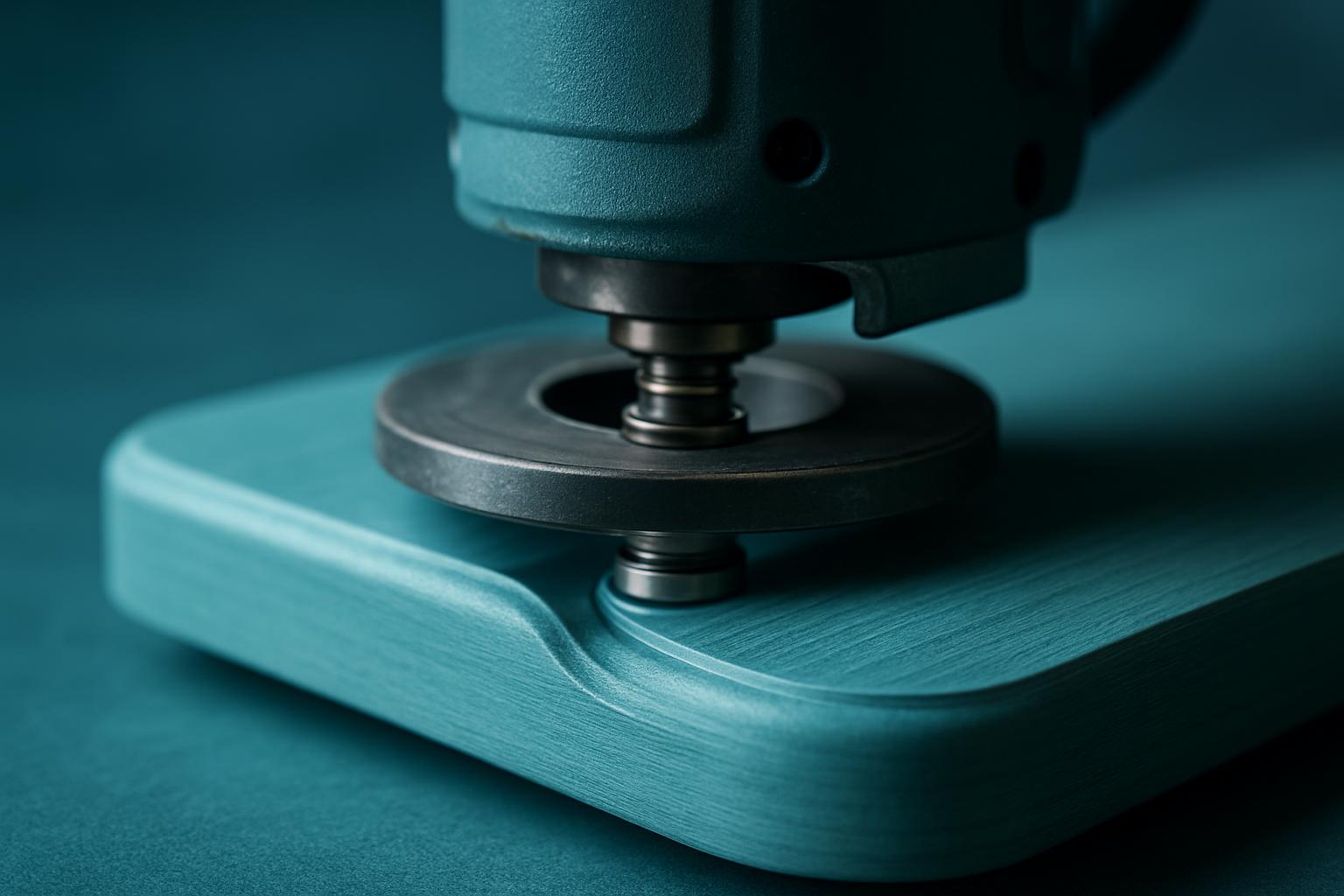
Edge profiling for radius, chamfer, and decorative profiles on furniture and shopfitting parts.
Explore →If you’re building kitchens at scale, each carcass is a set of nested shapes on standard boards. The trick is repeatable accuracy, clean labels, and grain kept honest on every visible face. With our CNC service, you brief your catalogue sheets and door panels, and we run the profiles you’ve signed off. Our team is set up for Gauteng’s high batch churn and also handles smaller batches for custom or boutique projects.
We work with MDF, supawood, melamine, birch ply, and compact laminate. Most jobs are for standard 16 mm or 18 mm panels, but we can quote for other thicknesses if your project requires. You get panel nests grouped for doors, gables, shelves, and drawer parts, with each part clearly marked for handoff on the bench. That keeps fitters and assemblers moving, not stuck sorting piles.
Our CNC nesting suits kitchen manufacturers, cabinet shops, and interior contractors supplying schools, offices, and homes. Owners focused on repeatable output or who need to keep teams off the saw will see the most value. If you work with informal cuts, hand templates, or only build once a year, it’s likely not worth your cost or time, the system needs clear dimensioned plans and batch logic.
We’re not a fit for one-door repairs or projects where every dimension shifts on site. Control over the plan must be done before the cutting starts. If your jobs involve heritage sites, food zones or listed buildings, tell us up front, there are access and material rules we need to know early.
You send us your sheet list and door-panel dimensions, with a diagram, cutlist or marked-up photos. Our team checks for grain direction, batch sizes, and any notes on finishes or special edging. We mark each panel with the name and orientation you’ve given, cutting parts so they arrive ready for fast bench assembly.
For example, a kitchen shop in Midrand needed 14 white melamine carcasses for a school fitout. They sent in their sheet schedule, door dimensions, and two phone photos of the assembly plan. We replied with a simple list of queries, edge tape spec, visible sides, and how they wanted parts labelled. After confirming the details, we nested the parts, kept the grain right for all panel faces, and had each batch packed and marked for easy off-load. The team could then get cabinets up by the next morning without extra trimming.
If you want to see more about related setups, browse furniture makers or investigate machines for technical details.
Clear input from your side means fewer missed callbacks and wasted sheets. Whether it’s a standard cutlist or something scribbled but accurate, start with the specifics. If you’re new to CNC or not sure how to lay out your batch, two labelled photos and a timing window are enough to open the conversation. Attach any assembly notes, material specs, and grain rules. If you need edging, state which faces take the tape.
We keep a practical checklist to make handoff clear for both sides. Our internal notes also track repeat errors so we don’t waste your team’s time with the same old questions.
In Gauteng and around Polokwane, we’ve learned hasty briefs usually cost a week and a few extra sheets. Be wary of skipping the note on grain or batch splits, small misses multiply when you have a 30-unit fitout.
Be clear about your site access and delivery times, especially if your job is going into a building with stairs, lifts, or landlord restrictions. Where there are municipal outages or strict working hours, let us know up front so we can plan accordingly. Sites with hygiene or food safety rules may need sealed panels or special packing, so mention these before we start. Our Isando nest bay turns jobs around at a steady clip, but deliveries to Durban, Cape Town, or Gqeberha sometimes slow down due to paperwork or batches not labelled as agreed. Giving us all the site and job details early means fewer phone calls and less chasing mid-project.
Ready to brief us? Send a message through our contact form with your city, timing window, and a couple of constraint photos. If urgent, mention your go-live date in the subject. For more tips on industrial work, see Industries or visit our blog.
Verified Google reviews