Industry
South African furniture makers rely on us for clean panel nests and accurate edge profiling, whether for a short-run custom job or full production batch.
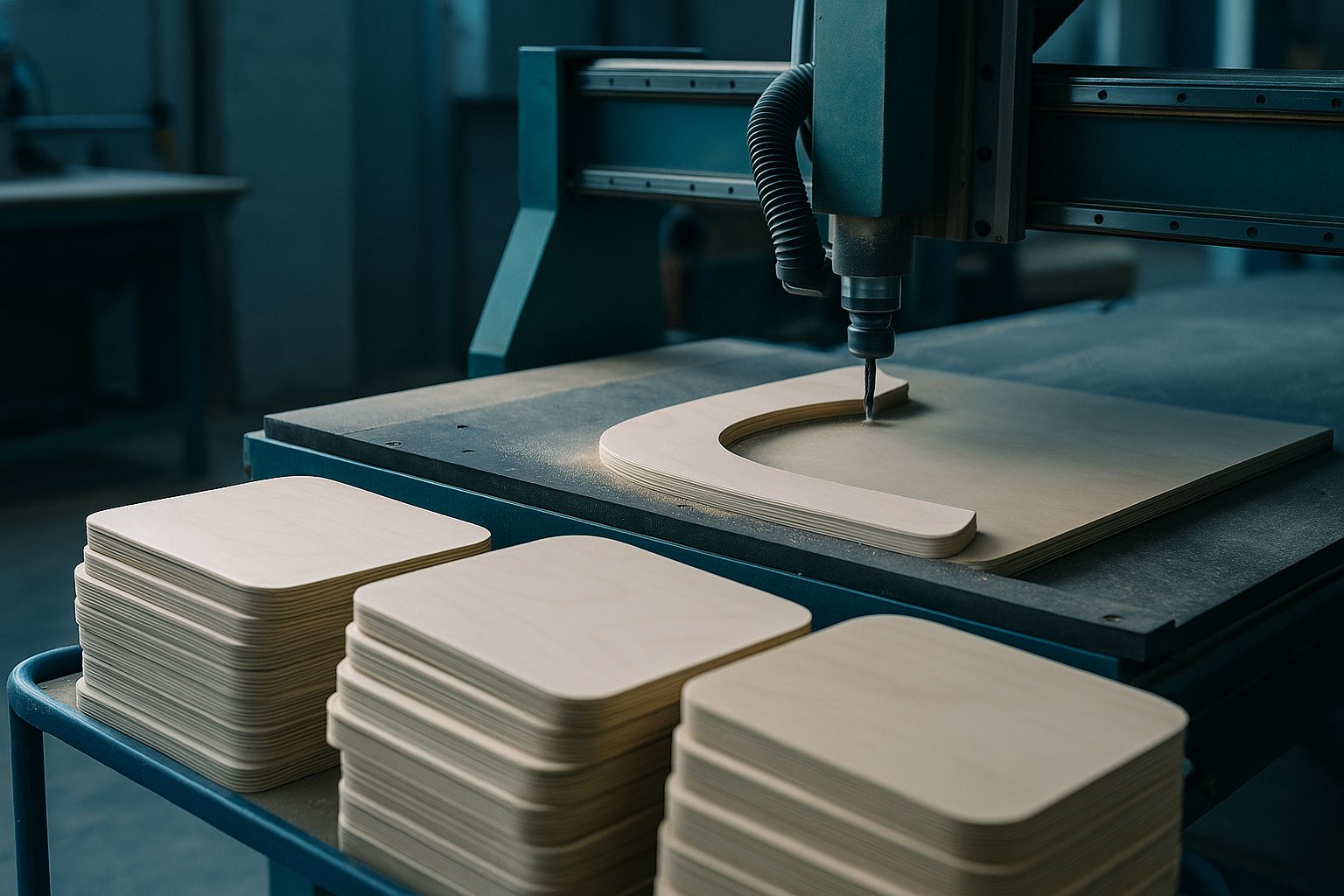
One of the most common causes of misaligned joints in panel furniture is starting with bowed or uneven sheets, especially in areas with high humidity or after a delivery that has sat in the sun. Before you send us your sheet list, check each panel for flatness against your assembly table or a reliable straightedge. Even a slight bow can throw out your join lines on multi-panel pieces, leading to extra bench work or visible gaps after assembly.
If you spot a problem sheet, set it aside for less critical parts or discuss with us about adjusting your nests. A quick check at the start helps you avoid chasing errors later, especially if you are batching jobs for kitchens or fitted furniture. It is a small step, but it saves time and material loss down the line.
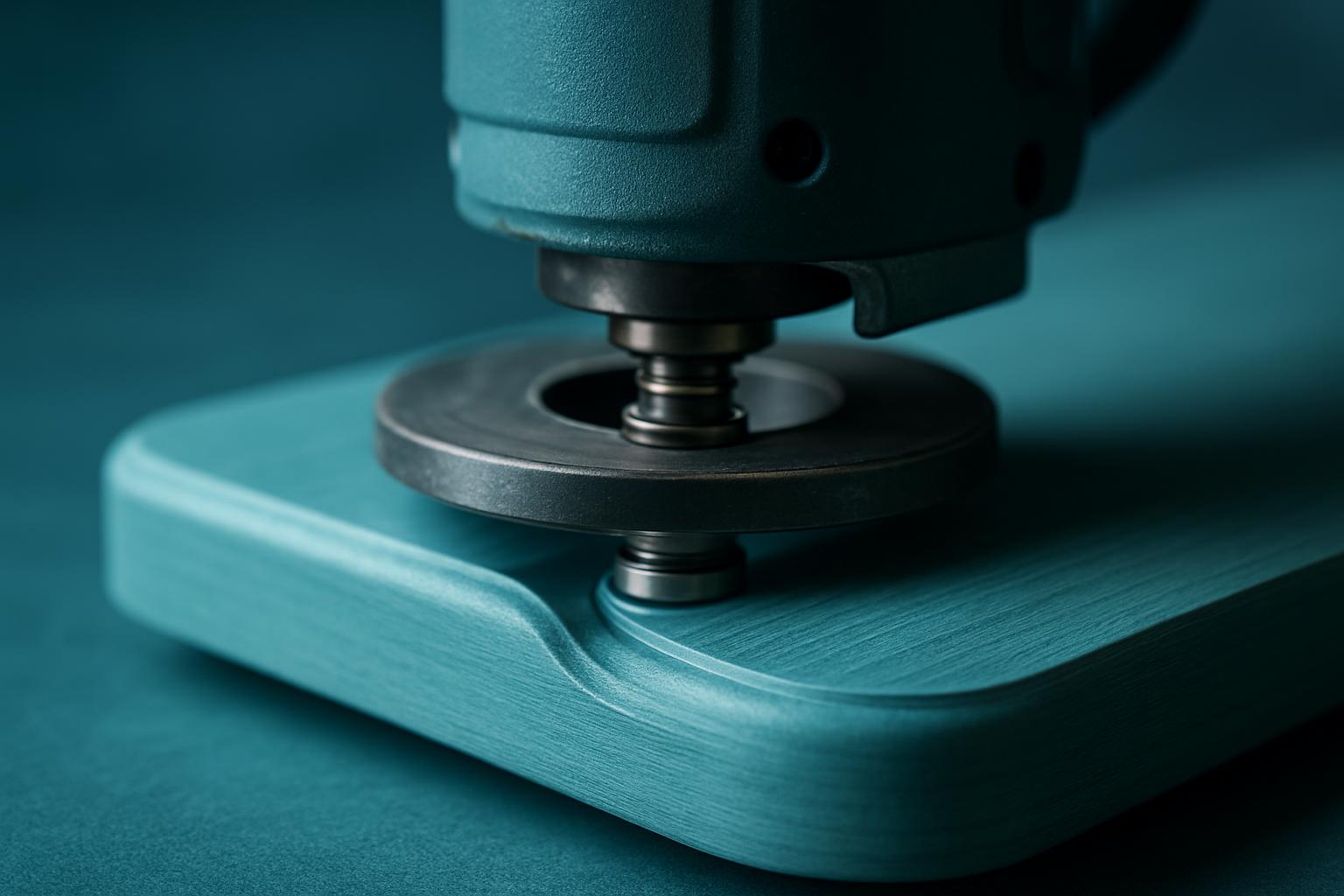
Edge profiling for radius, chamfer, and decorative profiles on furniture and shopfitting parts.
Explore →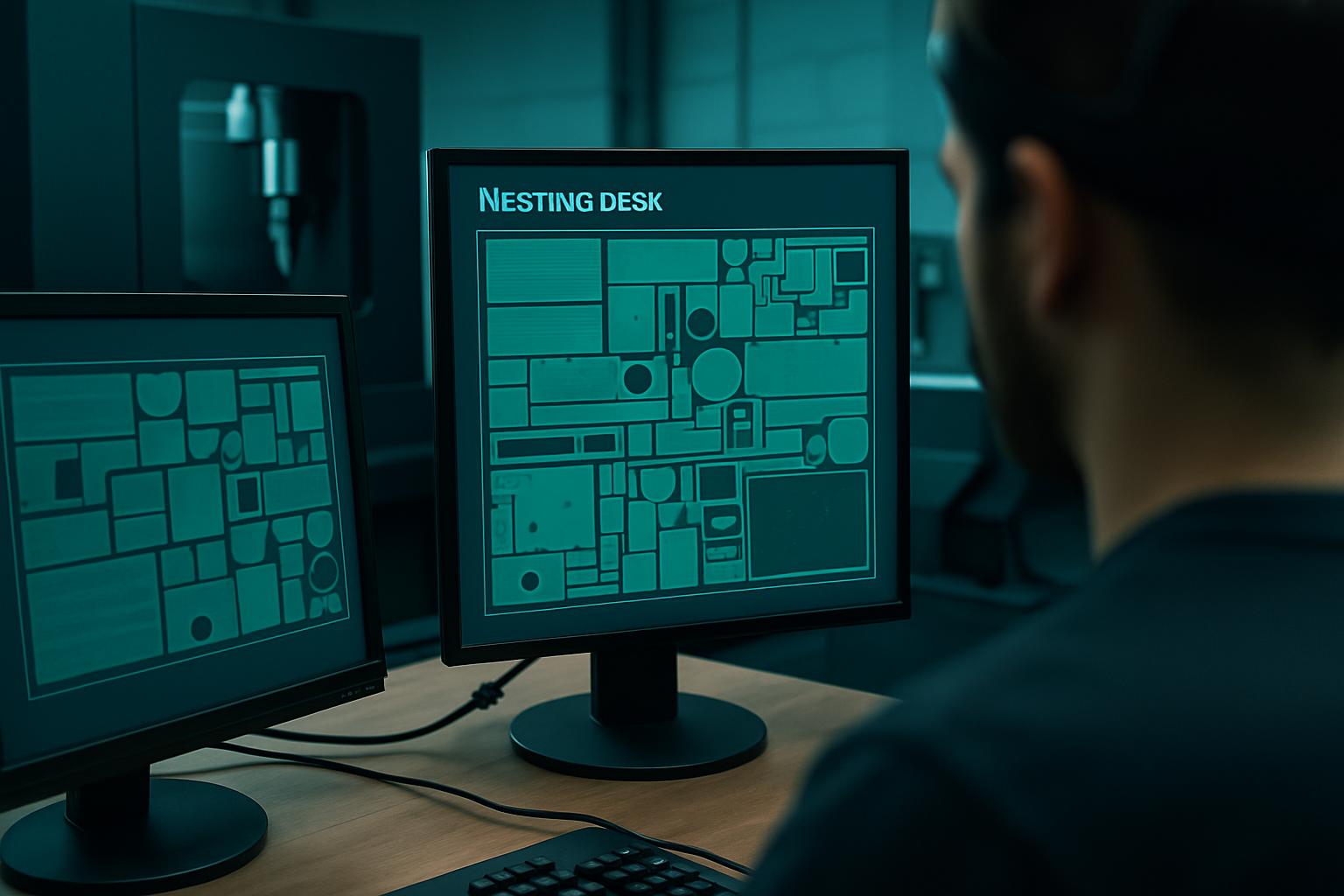
High-yield nesting set for mixed sheet SKUs, less scrap, clearer labels.
Explore →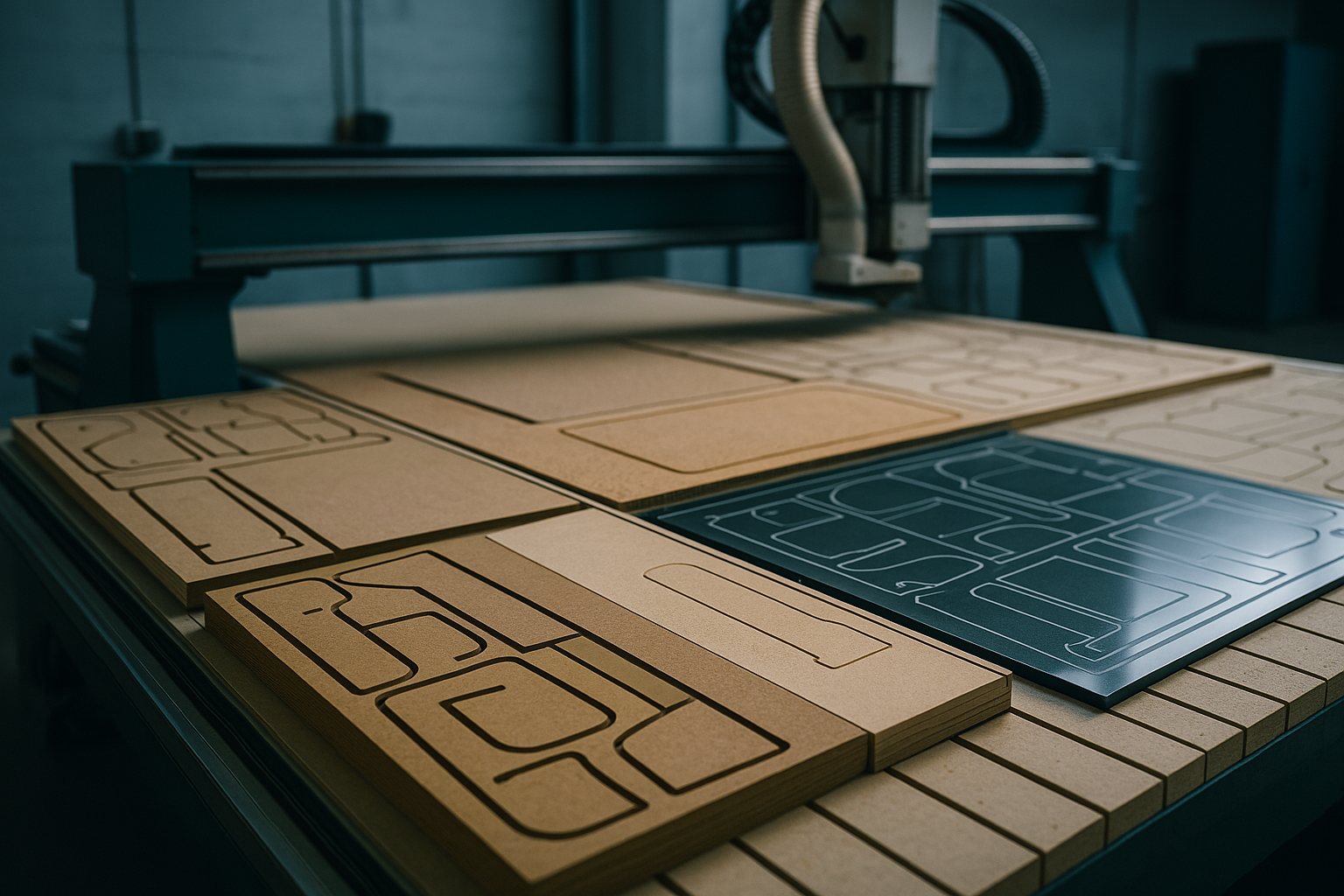
Batch nesting across mixed sheet thicknesses with remnant carry-forward.
Explore →We take your drawing sets and job requirements and turn them into ready-to-assemble panels for all kinds of furniture, from custom residential pieces to contract runs. The Cut2Shape team works with what you have on hand, whether that is melamine, marine ply, or solid timber, and we programme nests that suit your operator’s skill and the machines you use. No matter if your shop is in Isando, Cape Town, or Gqeberha, you get accurately cut components that minimise bench time and keep recuts to a minimum. We send files that are production-ready, so you spend less time rewriting CAD and more time assembling. Some workshops get the best results by locking in material and machine constraints first, before finalising finishes or hardware. Every job comes with clear notes to help you sidestep the usual issues found on Highveld or coastal floors.
Our approach fits independent fitment shops, boutique studio teams, factory owners with a small CNC, and contract manufacturers who batch and assemble in-house. If you already have a skilled operator but want to get away from late-night redraws, or you are tired of poor nests wrecking your material yield, you are in the right place. We are practical about real-world constraints like short runs, standard sheet sizes, power cuts, and operator upskilling. If your team is looking for on-site installation or an all-in-one furniture design agency, that is not us. We suit workshops that handle assembly and finishing themselves, and shops that send out for edge banding but keep main assembly local.
If you need full DIY, hands-off packs for plug-and-play assembly by end-users, our workflow is probably too hands-on. We work best as technical partners to professional furniture makers who want to control their materials, tolerances and sequencing.
You start by emailing us your intent, this can be as simple as two photos and a rough timing window, or a full drawing set from your patternmaker. We review your material list, current tool library, available sheet sizes, and the skills on your floor. Then we programme the nests around those actual constraints, not just ideal-world assumptions. For panel furniture, we record tool, feed and hold-down so each cut sheet matches the next, even with short runs or mixed batches.
A typical worked example: A Pretoria joinery emails an order for 15 locker units, using white melamine they already have in stock. They send a sketch showing hinge placements and bolt-through points. We sequence the nests to keep join lines and edge profiles consistent, document the hold-down strategy for smaller parts, and note tool changes for their standard 9 mm cutter. The handoff email includes clear PDF nests, DXF files, operation notes, and the best sequence for the operator to follow on Monday. The joinery avoids two afternoons of dry fits and awkward reworks, jumping straight from cut to edge finishing.
If you want to see machines we run, visit the Machines page, or for a broader sense of work we handle, browse Projects.
The smoother your brief, the less margin you lose chasing leftovers or fixing rework. For first-time jobs, you do not need perfect drawings, just make sure your constraints and priorities are clear. If you have a drawing set or statement pack, send it via email, even if it is messy or marked up by hand. Two phone photos of a prototype or work-in-progress are usually enough to start, provided you note sheet types and any must-hit measurements. If you have a timing window (for example, need this before a shutdown or holiday), mention that up front.
Giving us as much detail as possible at the start means fewer back-and-forth calls and a smoother job. Our team responds with a clear step-by-step plan, confirming next actions before any cutting begins.
The most common losses come from treating sheet goods as if they all cut the same, melamine, birch ply, and hardwoods need different kerfs, hold-downs and cutter speeds. If you skip documenting machine or material constraints, you risk a re-cut or a late-night fix. Highveld dust and coastal humidity add their own challenges, from warping to hold-down failures.
Our internal note system means we record any issue that crops up, a slipped part, a tolerance error, or a failed fixture, so we do not repeat those mistakes. This is not a long report, just the date, the constraint, and how we fixed it. Every job gets practical attention from people who have run Gauteng and coastal benches first-hand. If you want your parts to arrive ready for edge-banding or assembly, brief us with clear intent and your actual workshop context.
Ready to discuss your next run? Send a message through our contact form with your workshop constraints and any drawings or photos. You will get a practical, worked response tailored to your operation.
Verified Google reviews