Industry
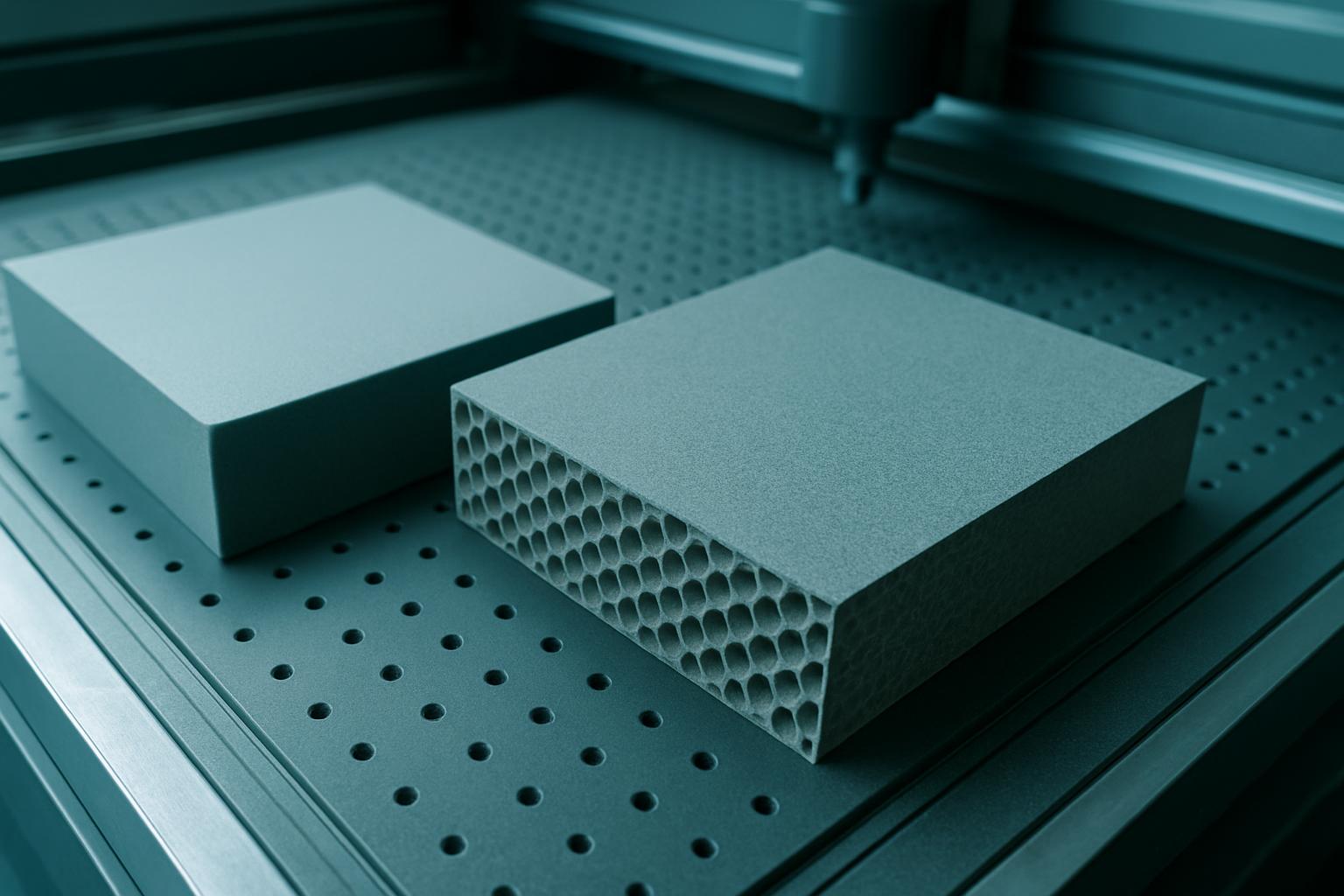
Panels, foam cores and acrylic parts for exhibition stand crews who need their kits ready to build, not ready to sand. Designed for South African venues and pressed schedules.
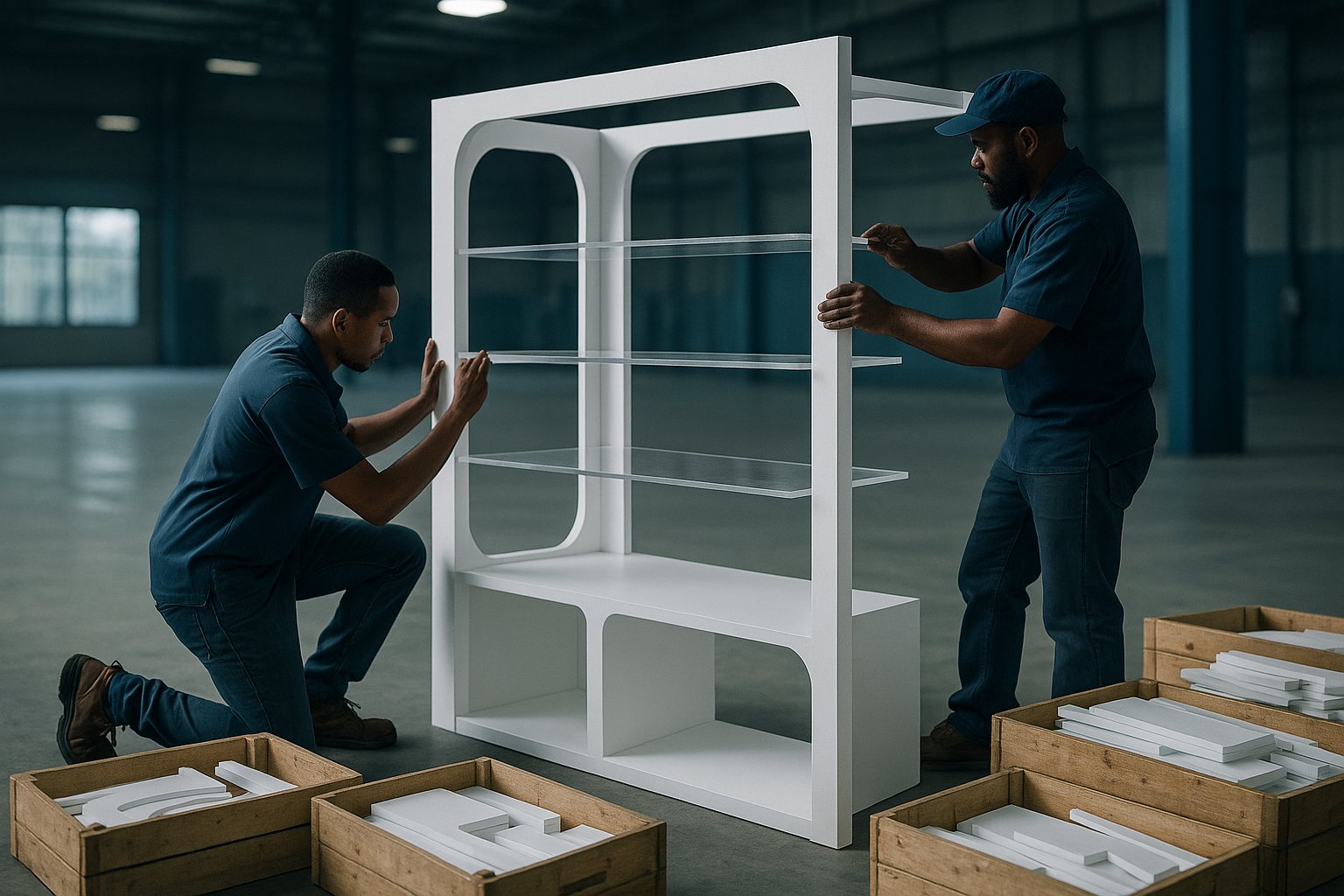
One issue we often see is last-minute changes to venue access or tool permissions, especially when working in busy convention centres or malls. For example, a Joburg crew recently arrived to find their scheduled load-in window cut short due to a municipal outage affecting the lifts. Because we had checked access hours and included clearly labelled spare panels, the team was able to adjust quickly and complete setup without delays.
A good practice is to confirm tool and access rules with the venue before you finalise your drawing and finishes. Always check if there are restrictions on noise, dust, or specific machines, especially for indoor jobs. By double-checking these details and sharing them early, you avoid costly rework and last-minute scrambles. If something is uncertain, flag it up front so we can plan around it and keep your build on track.
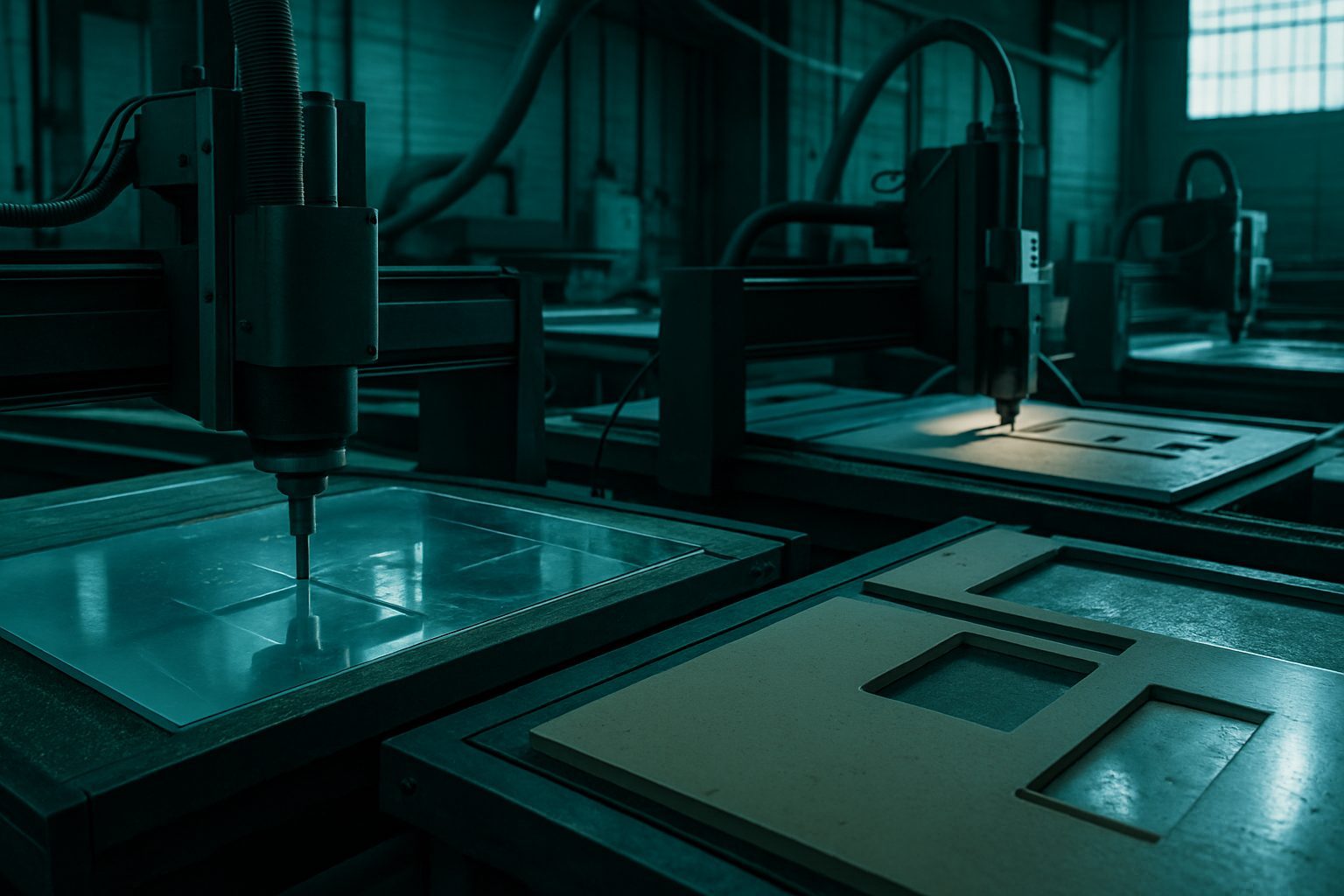
Exhibition stands demand quick setup, clean edges, and damage-free delivery, especially when you have just hours onsite in Polokwane or Midrand. We machine-cut light panels, foam core, and clear acrylic to your drawing, pre-nest kits to fit in your vehicle, and label every sheet so your build team spends time assembling, not sorting. Jobs needing overnight prep or last-minute swaps benefit from our habit of holding labelled spares and working from clear checklists. We ask about your build day, venue restrictions and the actual delivery window before spindle hours start, so your kit turns up ready for the floor crew.
Kits suit stand builders, visual merchandisers, and shopfitters working at trade expos or retail pop-ups. We do not recommend our approach for full steel frames requiring welding onsite, or for crews working without a clear layout or spec. Our panels arrive ready for fast fitment, not for heavy fabrication.
We understand how Gauteng logistics can complicate even a straightforward stand build. In Isando, we have seen lifts break down or venue access hours shift unexpectedly. That is why we always include spare sheet in our cut plan, double-check your tool restrictions, and ask about venue quirks or municipal limitations before we start. If your panels need to handle Highveld dust, Gqeberha humidity or delays from Eskom outages, let us know so we can adjust finishes and packaging. We assign responsibility for every job step and follow written checklists. This way, from your bakkie driver to our machine operator, everyone knows exactly where each part is in the stack and nothing gets missed.
Our internal process includes a quick note on the last error we encountered for similar briefs. This avoids the same mistake on your job, whether it was a cable channel mismeasured or a change in access route. We prefer plain photos and timing windows to polished PDFs, so you do not lose a day to paperwork.
A recent stand builder from Durban needed acrylic panels with foam core backers, pre-drilled and labelled, for a conference in Sandton. Timing was tight: delivery had to happen overnight, with setup before sunrise. The builder sent a phone photo of a whiteboard layout and two rough panel sizes with slot notes. We clarified the tool limit at the venue (no routers allowed inside), so all cutouts and edge prep had to be offsite. The team ran a FoamCore Nest to maximise each sheet, held a spare for any shipping dings, and labelled every part to match the builder’s site checklist. The result was a kit that let the setup crew finish in hours, not a full day.
A few details up front keep you out of the most common stand build pitfalls. If the job is urgent, say so in your email subject line and mention your go-live date. When you are ready to brief us, send two or three constraint photos, your city, and a timing window. If you have a drawing or even a marked-up layout, include it. We prefer draft detail to a polished final, especially if access or load-in is unusual. For recurring builds or complex kits, your labelling scheme and venue rules help us match our packing to your workflow.
Send your enquiry through our contact form. If you are looking for adjacent services, take a look at Signage & façades, Furniture makers, or our machines for more options.
Jobs stall when venue access, tool rules or constraints change without warning. We have seen Midrand jobs wait hours for a boom gate or Durban kits held up because the foam core spec was not allowed in the hygiene zone. Finalise your timing, access, and restrictions before selecting finishes, otherwise, you pay for double work or last-minute scrambles. If your brief involves unusual access, listed buildings or sensitive zones, give us those notes early so we can plan.
Vague advice or skipping the constraint check usually costs you a callout or a full extra shift. Be upfront about what is missing. We will clarify with practical questions instead of inventing an answer. If you want inspiration for related work, browse our project examples or the blog for build stories from across South Africa.
Verified Google reviews