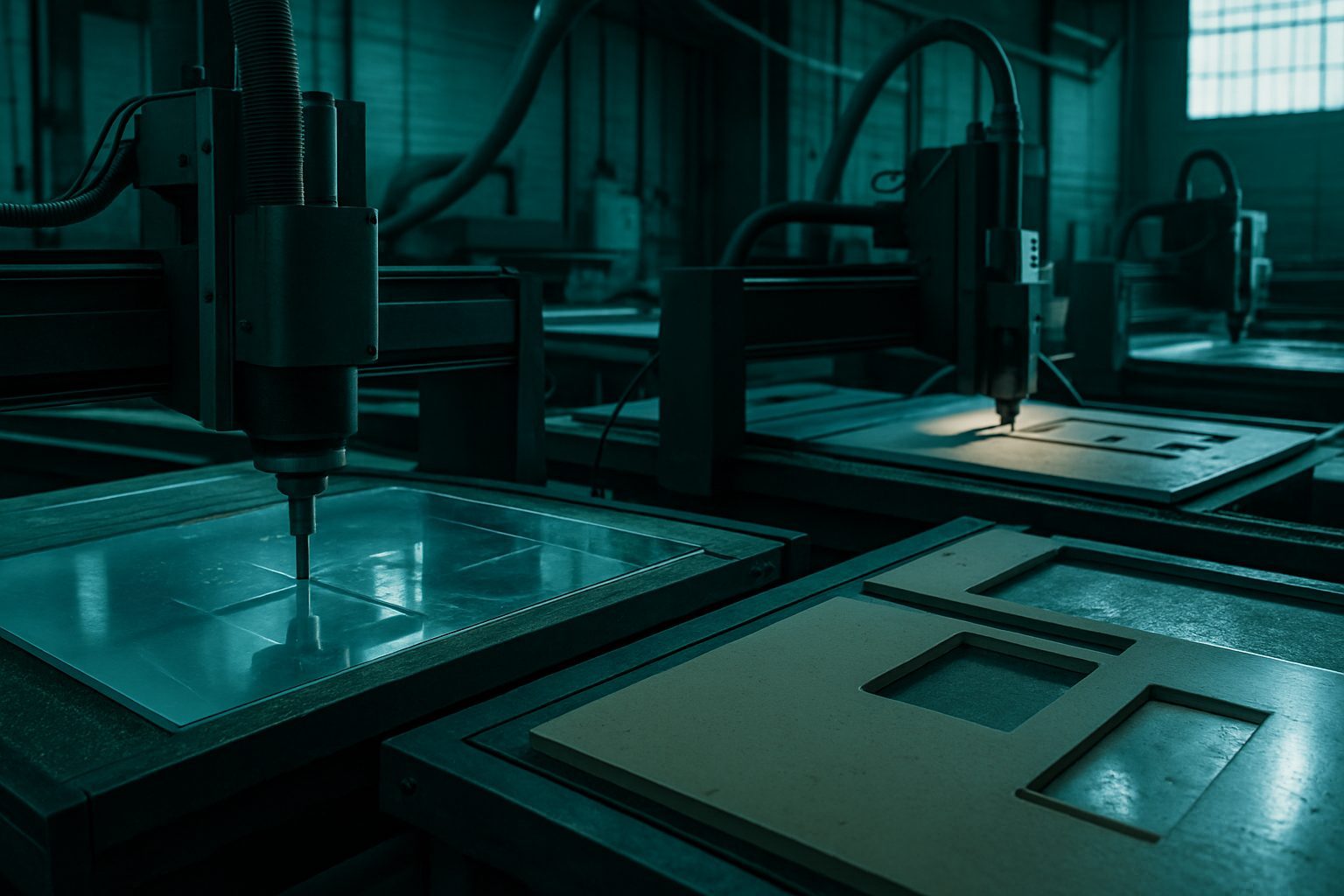
We support your ProfileEdge Router investment with hands-on training, care, and field fixes built for South African conditions. Make your next cut with fewer interruptions and cleaner handoff.
One common trip-up in South African workshops, especially on the Highveld, is underestimating dust control with the ProfileEdge Router. Fine MDF dust or hardwood chips can quickly build up around the machine, affecting both the cut quality and the health of your team. Before starting up, check that your extraction system is sized for your sheet volume and that all hoses are free from blockages. Make a habit of emptying dust bags or bins before every shift, not just at day’s end.
We’ve seen jobs in Germiston where ignoring dust led to sensors clogging and unnecessary downtime. By running a quick 5-minute clean and airflow check at the start of each morning, you can avoid hours lost to breakdowns. Keeping your router’s area tidy also helps prevent slips and keeps your finish consistent across every batch.
Industries · Blog · Contact us.
See support and kerf log template. Use our contact form.
Bringing a ProfileEdge Router onto your floor means more than checking the specs. We handle the real start-up: setting up on your shop floor, training your operators, building maintenance habits, and sorting out problems on-site when jobs go off track. Our advice is tailored to real South African sheet sizes, power options, and finish needs, whether you’re running in Mbombela or Worcester. If your output must be ready for a busy Gauteng production line or a one-person Cape Town joinery, we shape our support and handover to fit your team’s skills and shift patterns.
Our service is a strong fit for teams moving from manual routing to repeat work on sheets. If you want to cut down on hand finishing after profiling, you’ll see the benefit straight away. Teams with technical staff who can tweak code or tolerances get extra help with nesting and fixture choices. If your crew is mostly casual labour or still learning CNC, be ready for extra training and plan for setups that run reliably even during power cuts or municipal outages.
Operations needing tight timing, regular part repeats, or quick switchovers between finishes will get the most from this service. On the other hand, if your production is mostly single pieces, or works out of a temporary setup with uncertain power, manual processes may suit you better for now.
We send practical people, not scripts. Every visit or call-out starts by matching what your floor needs, 230 V or three-phase, dust collection, and handover targets. For new installs, we help set up your first jobs, calibrate for your local ply or melamine, and make sure the profile edge leaves less sanding for your team. For established shops, we review operator technique for speed-ups, edge consistency, and material waste that builds up over a season. If something fails, our operator keeps a log of the issue, dates, and what changed on the next attempt to keep the same problem from biting you twice.
Example: A Durban cabinet builder needed repeatable kitchen fronts cut to size and profile in one pass. After setup and local power checks, our tech walked through nesting, showed the operator a better clamp setup for damp mornings, and sent off a log noting a spindle bearing swap at three months. The owner emailed back three weeks later for a quick fix after a power trip, and we had the right advice on hand from our first notes.
You do not need perfect packs or flawless drawings to get started. Two clear photos, one showing your current bench setup, another showing the material in question, will let us kick off the discussion. If you can share a simple drawing set or a few job notes, add those, plus your city and a rough time window so we can work around local conditions, courier schedules, and any planned power interruptions.
If you have any previous issues (poor edge quality, tricky dust, repeat mains trips), add a note on what happened and what you tried. That saves you a phone call down the line and helps us avoid repeating the same fix.
The costliest mistakes happen before your router even spins up: picking the wrong finish, missing the right edge radius, or setting up for a voltage your site can’t keep steady. We’ve seen teams double their costs by skipping a clear write-up of their real limits before picking a machine or finish process. Racing through setup after a power outage also leads to wasted rework. Our approach gets your constraints on paper, matches the right setup to your crew, and logs every problem so each fix is quicker than the last.
Our process keeps things honest for South African floors. We ask for constraints in writing, match setup and fixture options to your crew’s comfort level, and log each problem so the next round is shorter, not harder. If you need a deeper spec run-down for your next job, see our ProfileEdge Router specifications, or for fixture/tolerance support, read about ProfileEdge Router nesting and fixtures.
Verified Google reviews