
Industry
We cut and document aluminium plate and sheet parts for solar mounting frames and bracket runs. Precise hole patterns, deburred edges, and a clear process keep your solar builds on track.
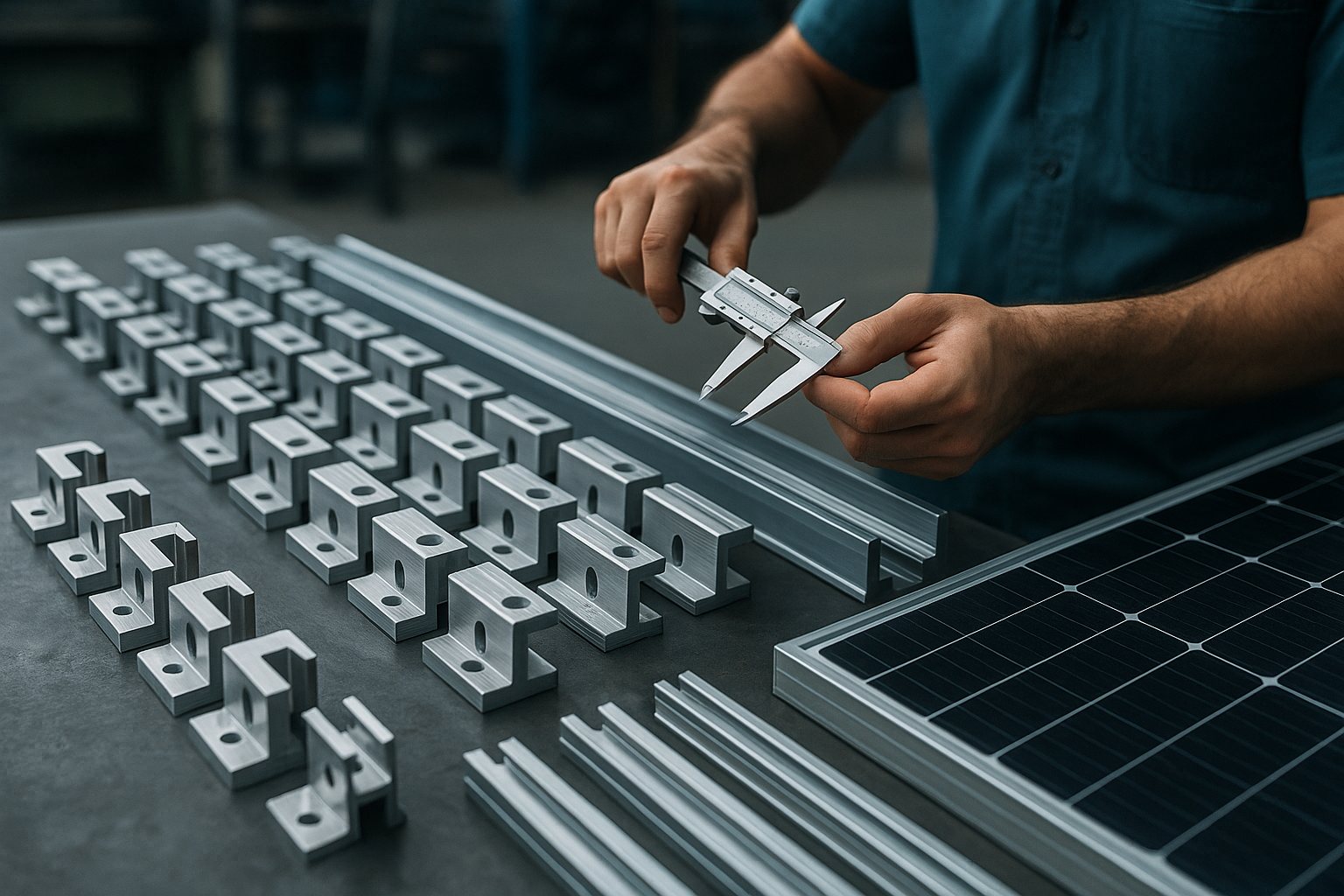
A common pitfall in solar frame work is missing or incorrect slot orientation in the drawing. On the shop floor, this can lead to brackets that do not line up with rails or require awkward re-drilling during installation, wasting time and risking fitment issues. Before we start a cut, our team reviews each drawing to confirm slot direction against the mounting plan. If the orientation is unclear, we pause and request confirmation. This check is especially important when working with mirrored or handed parts, as a simple oversight can double the scrap rate. Taking a few extra minutes to verify slot layout ensures your brackets bolt up correctly on site, no matter if you are working on a steep Joburg roof or a coastal installation where time and weather are tight.

Plate routing for brackets, heat sinks, and light structural parts from 5083 / 6082 plate.
Explore →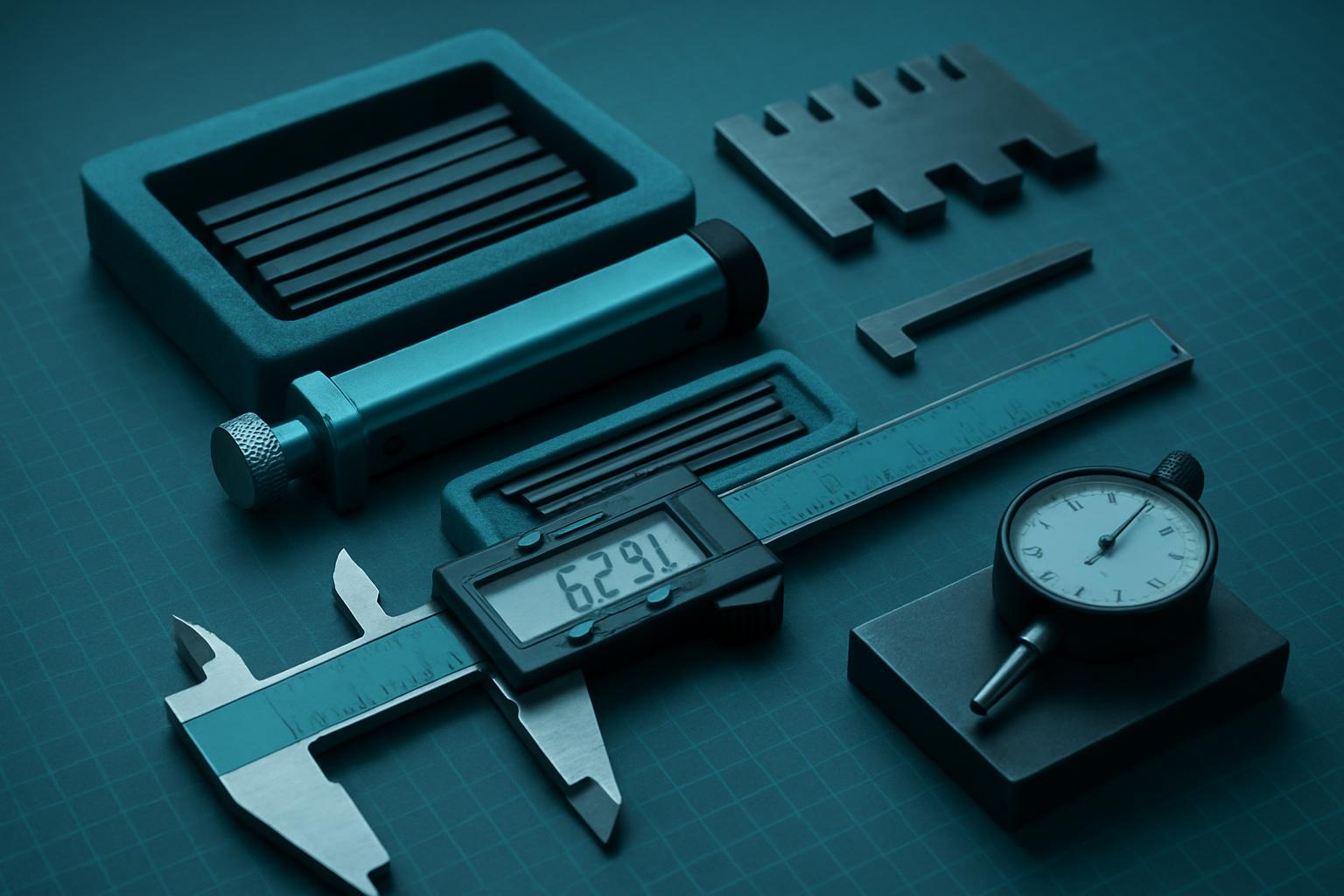
Kerf coupons, calliper kits, and nest reports so cutting stays within drawing intent.
Explore →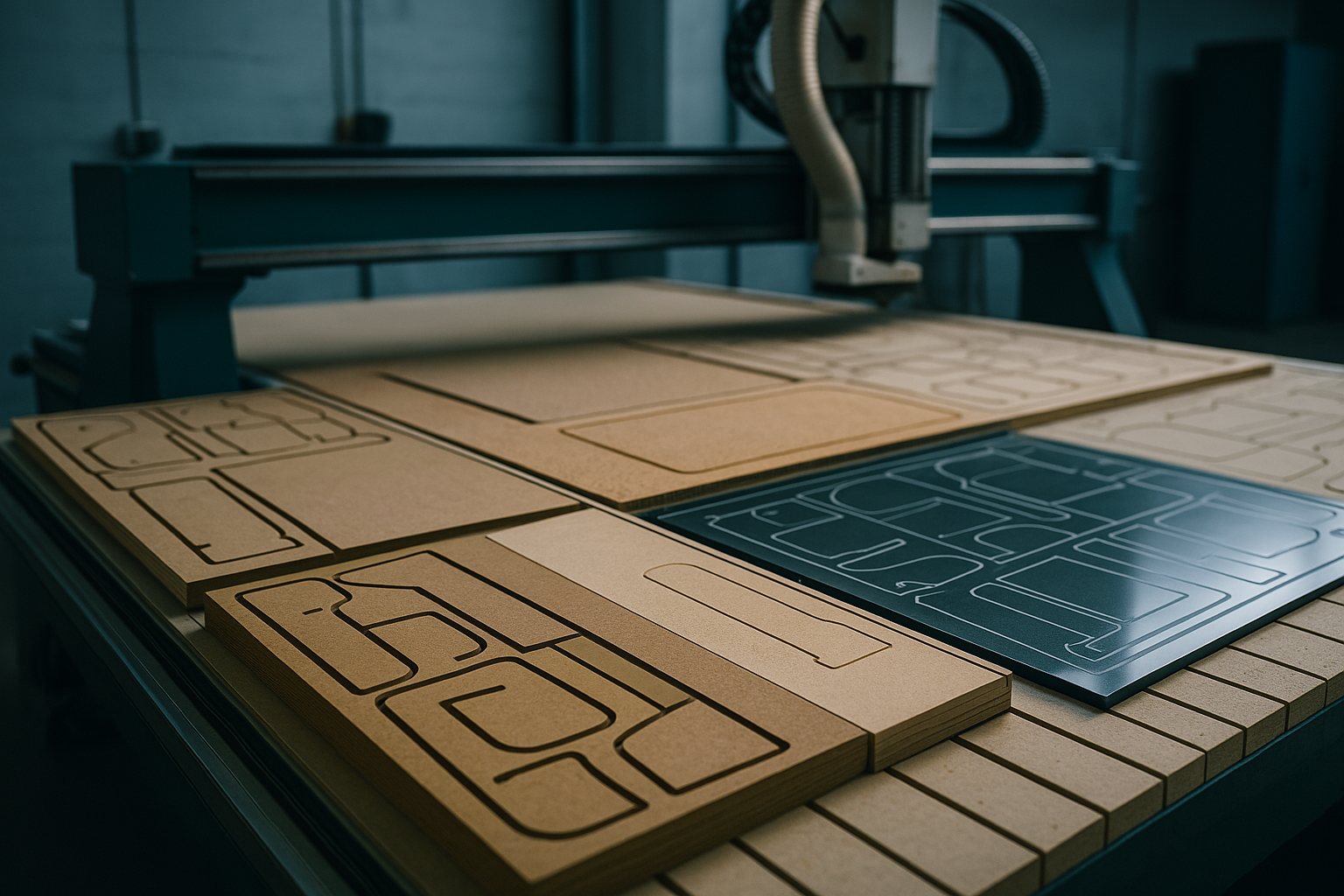
Batch nesting across mixed sheet thicknesses with remnant carry-forward.
Explore →Solar mounting frames rely on accurate profiles and clean holes to pass site inspection and speed up rooftop work. The team at Cut2Shape serves installers and frame pilots who need reliable batches, sized to fit Gauteng’s high rooflines, Cape flats, or remote Karoo sheds. Our bay in Isando works on aluminium plates and profile repeaters, controlling tool wear to avoid burring or oval holes, especially on softer grades. We work with builders, PV project managers, and frame assembly shops who need finished parts that bolt up quickly onsite.
If your project relies on site-welded steel or you need massive welded trusses, you may need a structural steel yard instead. We focus on modular aluminium brackets and frames, laser-cut holes, and punched profiles that go straight to the installer’s ute.
We work with clear checklists, defined steps, and named owners on each batch. If anything is unclear, like the slot direction, grade, or part sequence, we flag it in straightforward writing before the spindle turns. This means fewer site headaches and less overtime, whether you are on a windy Durban roof or facing a Highveld downpour. Every batch includes updated documentation: if we notice tool wear or a repeat issue from a previous run, we log it and correct it before your parts leave the floor. You receive a direct update by email, focused on the details you need to keep your job moving.
A Pretoria solar subcontractor needs 50 bracket sets for a mall carport installation. Site access is tight and the deadline cannot move. Their foreman emails us two photos of last year’s install failures, holes too close to the end, galling on soft aluminium, and a snapped bracket when the wind picked up last August over Menlyn. We reply with a checklist and a question about mounting orientation. Once they confirm the grade and sign off the drawing with the hole pattern revised for a deeper bite, we cut and dry‑fit the brackets as a sample at Isando. Most weeks, courier pick-up or own collection is possible, and the install team knows the parts are ready for fast bolting and no hand reaming.
Quick quoting and clean cutting rely on a clear brief. Before contacting us, gather whatever you have, even if it is rough or from a past supplier. Attach any previous batch notes or a statement pack if available. Annotated photos of earlier installs, even if hand-marked, help us pinpoint what needs to change or match. List your batch size and any deadlines, especially if paperwork or local outages are a factor. If your job calls for a special finish, hygiene rating, or has tricky site access, mention this up front so we can plan the right approach.
Including your city or project area helps us flag any special requirements. We serve jobs from Worcester to East London, so site access and humidity can shift the way brackets need to be finished or packed.
Solar frame work fails when assumptions are left unspoken, wrong hole direction, unmarked grade, or missing deburring can turn a Friday fitment into a Monday problem. Our habit is to surface uncertainties before cutting, not after. If your brief skips the batch size or you’re unsure of the right finish for coastal humidity, say so early. We track tool wear closely when cutting aluminium, so your brackets arrive clean and bolt-ready, even in batch repeats. Our notes are practical: just dates, constraints and the last fix, carried over to the next run.
If your job is outside the usual pattern, like listed buildings, strict hygiene areas, or sites with odd landlord rules, raise that early so we can adjust slotting, packing or sequence. For adjacent work in display, ducting, kitchen manufacturing or shopfitting, browse our other industry pages for proven processes.
Verified Google reviews
