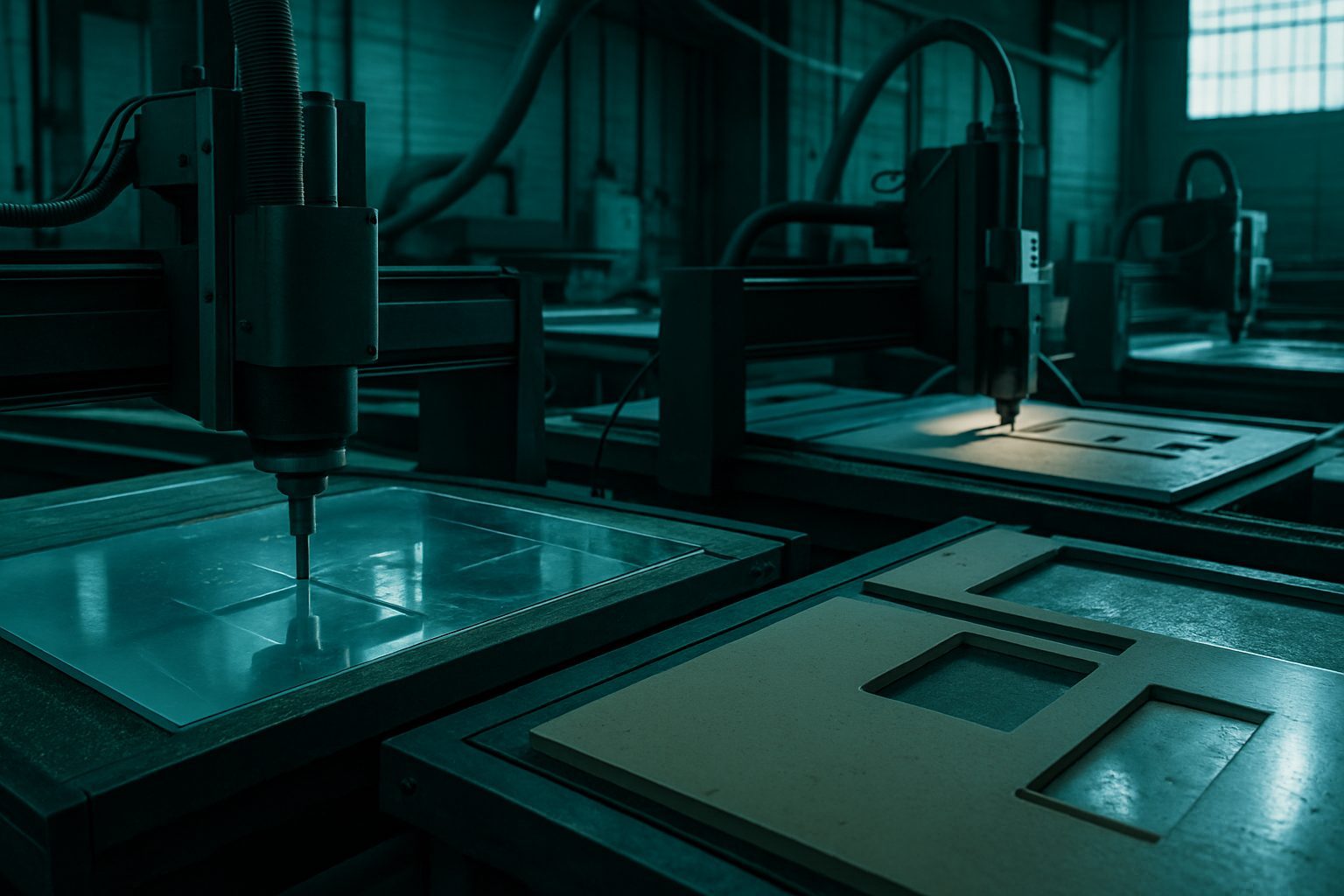
Industry
We cut and label composite or timber marine interior parts for South African boatbuilders and outfitters. Each batch arrives sequenced for assembly, not just sorted for the bench.
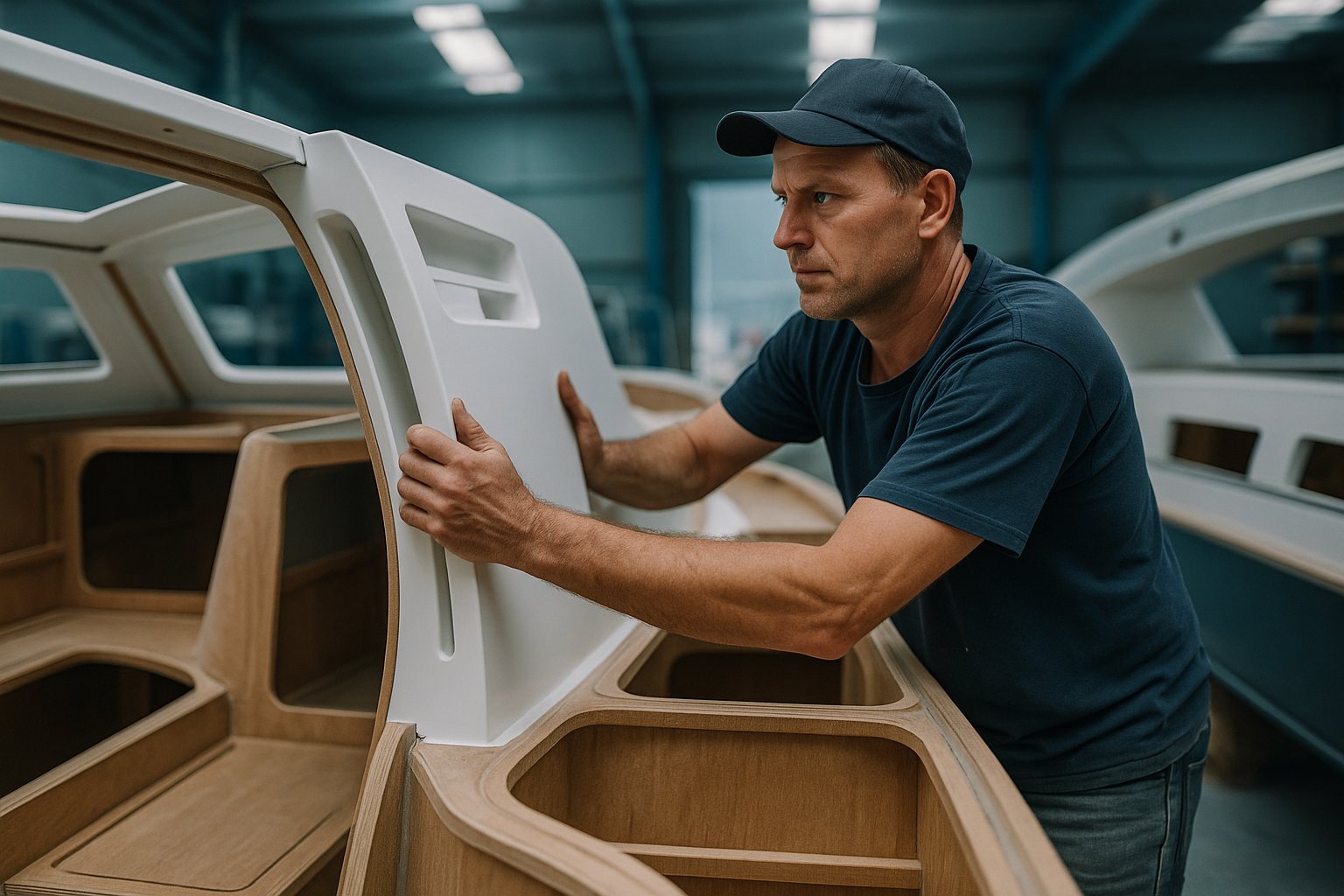
Before starting a marine interior batch, our team checks the workshop’s humidity and the sheet storage conditions. On the Highveld, a dry spell can leave MDF or composite panels too brittle for tight radius cuts, while coastal moisture can swell timber sheets overnight. We run a quick inspection of the material stock, noting any cupping, warping, or edge delamination before loading the CNC. If a panel shows signs of movement, we set it aside and flag the batch to the client with a photo and note. This avoids wasted time and prevents a finished part from shifting after installation.
A common mistake is to rely on supplier packaging alone, especially after a week of municipal outages, when extraction fans or dehumidifiers might not run as usual. Always check your material’s condition in the yard, not just in the delivery crate. Addressing these details early means the final fit matches the drawing, no surprises when you’re assembling on site.
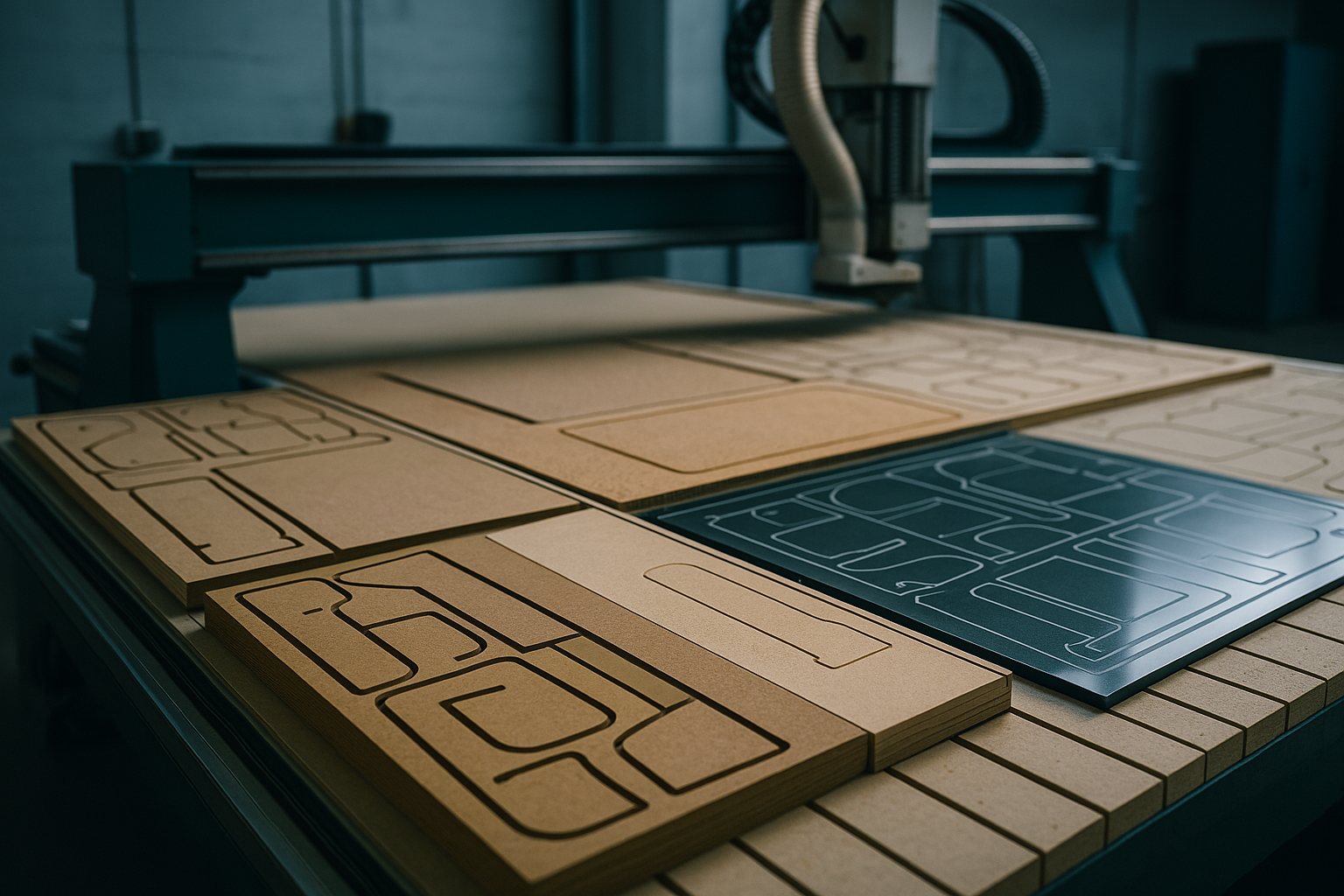
Batch nesting across mixed sheet thicknesses with remnant carry-forward.
Explore →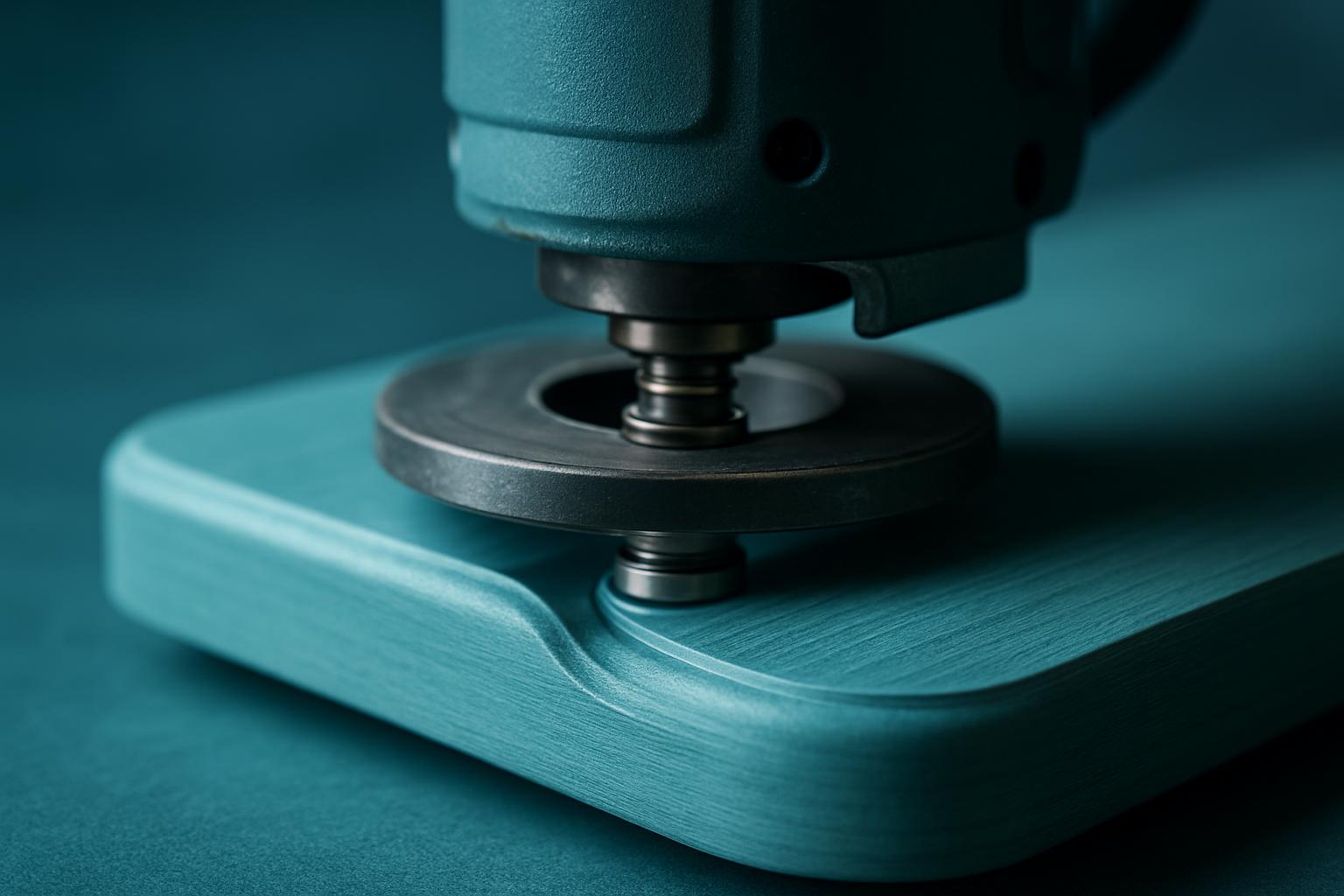
Edge profiling for radius, chamfer, and decorative profiles on furniture and shopfitting parts.
Explore →
CNC sheet routing for aluminium, acrylic, and composite panels with repeatable kerf control.
Explore →Marine interiors for boats and small craft need more than clean lines and shaped corners. On the Highveld, humidity swings and dust want attention. On the coast, salt and moisture push crews to choose their sheets, adhesives and finishes carefully. We talk through these factors early, before a panel is nested or a cut path is picked. Whether you are finishing a leisure catamaran in Durban, a working barge near Midrand, or a charter refit in Gqeberha, our team matches the workflow to local build conditions.
Our service best suits boatbuilders, outfitters and marine contractors who want parts ready for fit-out, instead of spending extra shifts sanding or correcting profiles on site. If you bring full sets of drawings, we keep parts in order and label them for assembly on the boat, not just as loose stacks. Teams working on one-offs, charters or production runs in South African yards get the most benefit if they know their material spec and assembly order upfront.
If you are only after rough-cut blanks, or want to experiment hands-on before confirming your final shapes, you may prefer to handle some steps in-house. We do not recommend this route if your project has strict finish, hygiene or listed-building requirements without a clear brief.
We start by asking for your priorities: moisture resistance, grain direction, curve templates, and fit-out sequence. Once we have your constraint set on paper, our office reviews the nesting for grain and labels the batch by assembly order. The Isando nest bay runs checks for access, yard delivery and timing before any cut starts. If the site has tight access or landlord rules, common in George or central Midrand, flag it early. This keeps your fitters off ladders with oversized panels.
Most weeks, a boatbuilder sends photos of a prototype bulkhead, the yard schedule, and a drawing pack. We answer with a checklist, mark up any uncertainty, and give you the next practical step, often a short call or note on access, not a glossy file.
A boatyard in Gqeberha needs moisture-proof bulkhead inserts and curved seat bases for a catamaran interior. They email a sketch of the assembly, two photos of their last fit-out, yard access details, and their target install week. We review the sketch, ask if assembly order or grain takes priority, and note that space for delivery is tight. Our operator nests the shapes for minimum waste, sequences the parts for the fitters, labels each bundle, and emails a practical handoff note. On arrival, the parts fit directly into the interior without a second pass on the bench.
If a project like this changes halfway, swapped sheet grade, new access rules, or a landlord’s last-minute request, we document the fix and add a line to our internal note for next time. This habit keeps your next order smoother.
Rushing into panel or timber selection before confirming site constraints often leads to extra fees, wasted sheets or rework. South African marinas and inland yards vary, the best brief starts with a clear statement of constraints, not just a finish or device spec. Label any uncertainty in your drawing set. If hygiene or listed-building rules apply, state them upfront. Unusual access (like municipal lifts, odd stairwells or 230 V-only supply) changes the whole sequence.
If you are new to our process, it helps to read about finishes or browse similar projects before you prepare your brief. For other fit-out work, see our shopfitting or architecture models services.
Send a message through our contact form with your city, timing, two constraint photos and any drawing or template you have on hand. If your fit-out is urgent, put your required week in the subject line. We answer from Isando nest bay during ordinary business hours, and we keep our first reply practical, no jargon or boilerplate. For complex briefs, a short note on what went wrong on your last job can also save time.
Verified Google reviews