
Blog

Kerf coupons that keep nests honest

Kerf coupons catch small differences before they become big problems in your nest. We log and check them every shift to keep output consistent and honest.

Checking kerf after tool changes

After a blade or bit change, always cut a fresh kerf coupon before starting your main run. Even with the same type of tool, a new or freshly sharpened edge will often remove a slightly different amount of material. On a recent batch in Pretoria, we swapped out a worn router bit for a new one. The first kerf coupon showed a 0.15 mm wider cut compared to the previous shift. Because we checked before starting the full nest, we could adjust the toolpath and avoid a whole run of loose-fitting parts. Skipping this check would have meant extra work and wasted sheet. The lesson is simple: every tool change is a chance for drift, so make the coupon part of your routine to keep results tight.
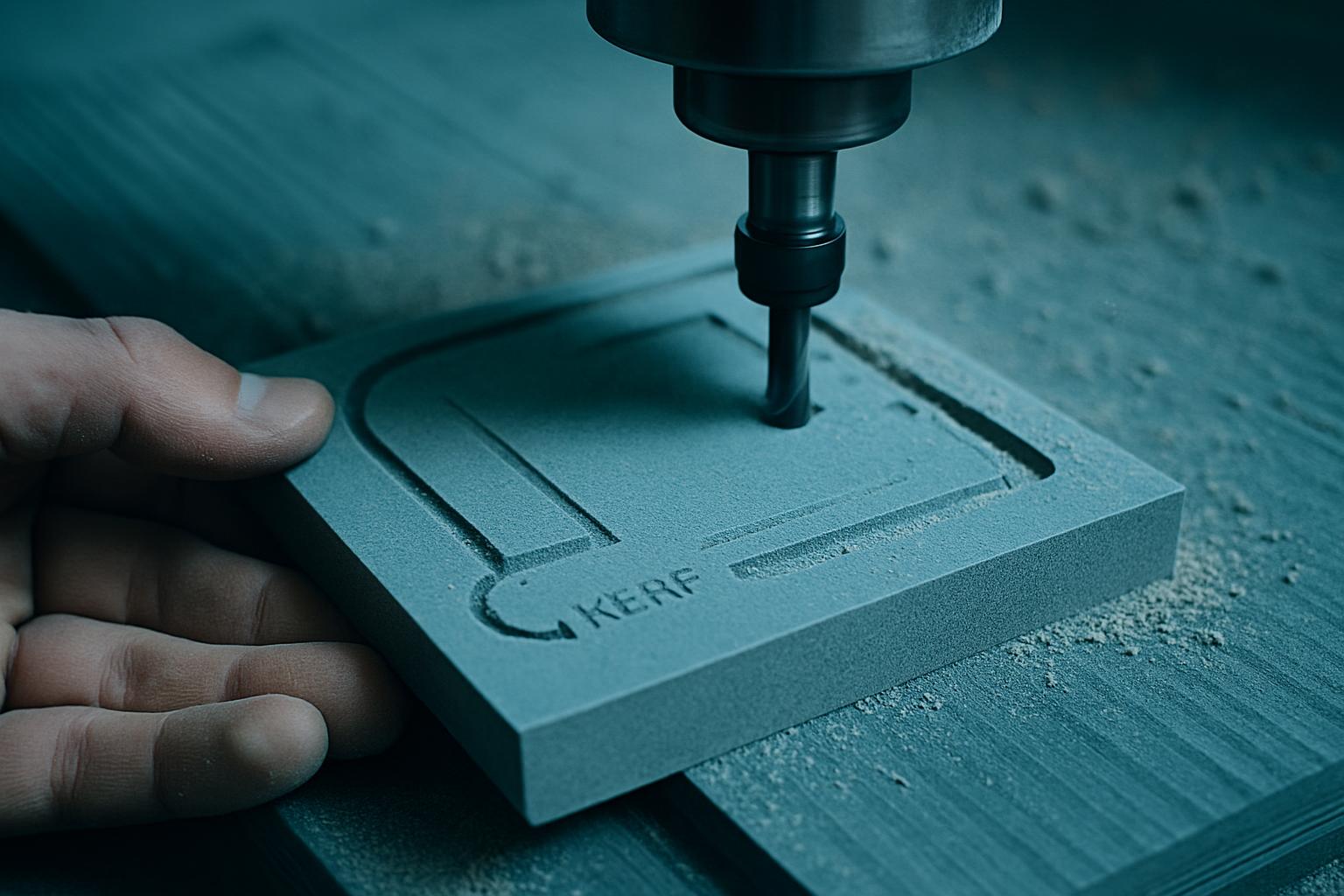
Workshop context

Logging coupons every shift so nests do not drift.

What we recommend

For best results, combine your kerf coupon checks with a test run using KerfCheck Lab. If you want to see the method in action, arrange a demo at Sunnyrock or any of our regional showrooms. Bring your own sheet if you need a direct comparison on your material.

What kerf coupons are and why they matter

A kerf coupon is a short, controlled cut made on the same sheet you are about to nest. It measures the actual width removed by the tool, not the theoretical kerf from a spec sheet. You need real data from your current batch because every fresh blade, resharpened bit, or different alloy drifts slightly. Without coupons, you could lose millimetres over a large run. That means parts arrive too tight, too loose, or with visible misalignments. On a busy Gauteng floor or a contractor site in Gqeberha, that rework could mean a second visit or a late-night scramble.

Who uses kerf coupons and who may not need them

Kerf coupons pay off for teams running multi-sheet nests, tight-tolerance carcasses, or any job where fit between parts matters. Cabinet shops, signage, tech enclosures, and some construction joinery use them each shift. If you are cutting rough blanks for hand finishing or single parts on old stock, the effort may not pay back. For simple rectangles that see manual finishing, it is safe to skip this step. On the other hand, if you work with imported panels, mixed plastics, or aluminium in coastal humidity, coupons are a must.

How we use kerf coupons in South African shops

We start every job by cutting and measuring a kerf coupon before loading the full nest. The operator makes the test cut along a spare edge, then uses a micrometer or gauge block to measure the actual kerf. The reading gets logged on the job sheet, so the next operator has the right figure, and we update the machine controller to match. In high dust areas like Ekurhuleni or Bloemfontein, or during power cuts and outages, tools may behave differently. By logging coupons, we spot any drift immediately and adjust before cutting the main batch.

We answer Gqeberha and Mbombela teams who want a one-page brief for their own crews. Our method is simple: one coupon, recorded result, update the nest file. It is quick, and avoids surprises in fit or assembly.

A quick example from an actual batch

A signage team needed forty matching panels in ACM for a new build in Durban. Before starting, we cut a coupon on the first sheet and found the tool was undercutting by 0.2 mm from last week’s run. Instead of accepting the drift, we updated the nest profile and logged the new kerf. The batch ran clean, with no misfit panels and no need to recut. The client’s site crew was able to fit straight from the crate. On a similar job without a coupon, this error would have stacked up across the run.

What to prepare before you email us

If you want us to set up kerf coupons or show your team how to log them, collect a few practical details before emailing our contact form. The more you share up front, the faster we can match your workflow. For walkarounds and more technical jobs, see our Machines and Industries pages for context.

Here is what helps us give a useful answer:

Pitfalls and ways to avoid them

The biggest pitfall is skipping the coupon when changing materials or tools. That is when errors stack up, especially if humidity or power conditions have changed. Relying on last week’s kerf setting or a sample from a different job can lead to costly rework and missed timing. Another trap is not logging the coupon result where the next operator or team can see it. That leaves crews guessing and risks repeated mistakes. Keep it simple: cut, measure, record, and adjust every shift.

Learn more from our shop notes

If you want to see more on CNC accuracy and prepping for South African conditions, read Proof pieces before full nests, DXF hygiene for SA shops, or Nesting before you cut. For a step-by-step on any of these, send a message through our contact form and mention your batch requirements.

Talk to Cut2Shape

Our contact form · Sunnyrock nest floor