
Blog

Proof pieces before full nests

Sampling with proof pieces before full nests lets you check, measure and brief with confidence while matching actual production conditions. Save time and avoid expensive rework by getting the details right up front.

Proof pieces for mixed-material assemblies

When your project involves more than one material, such as combining acrylic panels with aluminium brackets, proof pieces become even more important. On our shop floor, we recently helped a client match a custom acrylic fascia to a CNC-routed aluminium frame. By cutting small samples from both materials and fitting them together, the team caught a mismatch in the slot width that would have made assembly impossible. Adjusting the acrylic cut by just 0.2 mm meant the final batch slotted together smoothly, with no on-site trimming needed.

A common mistake in these mixed-material jobs is to only test one part of the assembly. Always request proof pieces for each material and do a dry fit before committing to a full nest. This extra step saves headaches, especially when tolerances are tight or materials react differently to temperature and humidity in places like Joburg or Durban.
Workshop context

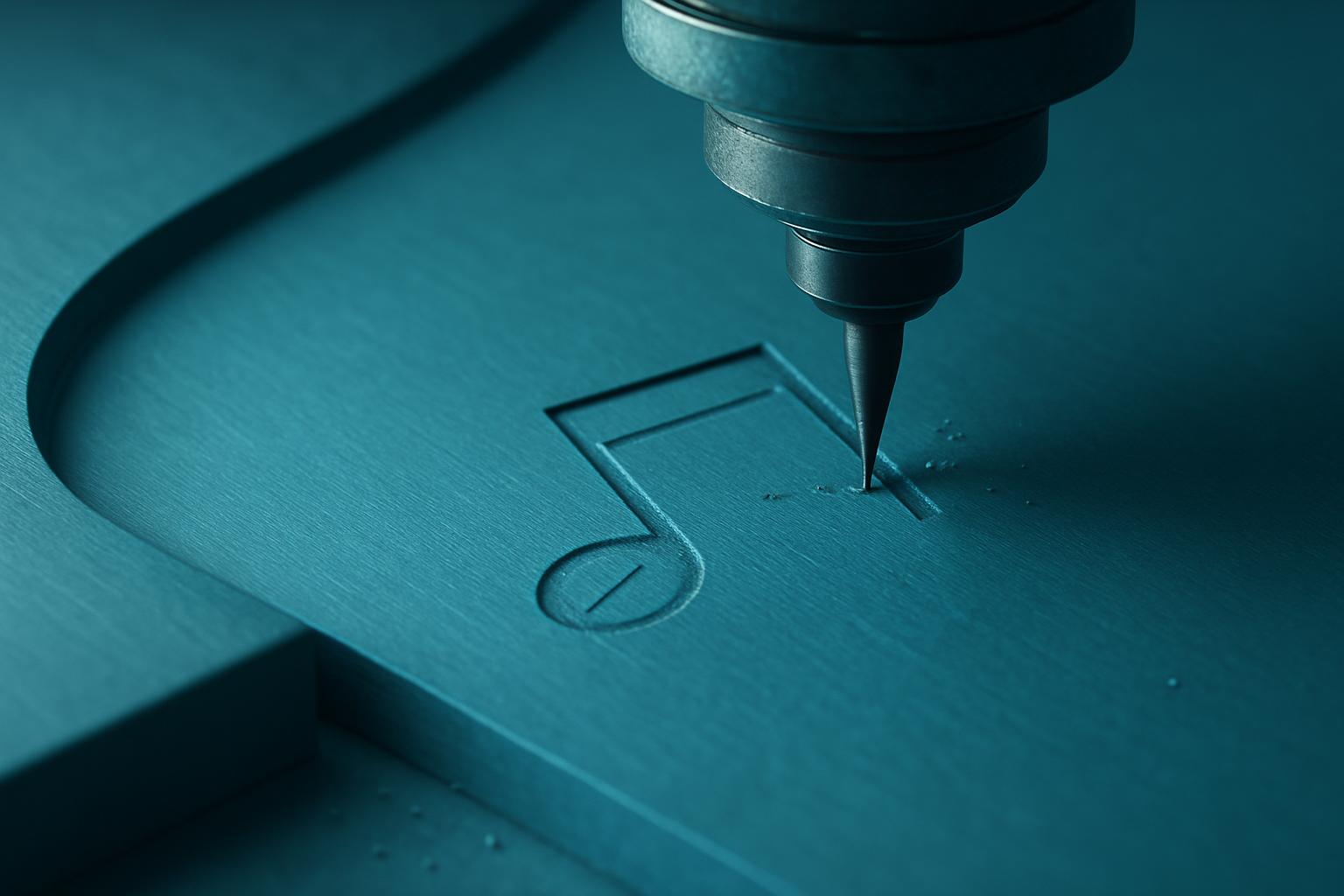
Same-day samples that match production kerf.

What we recommend

For best results, use proof pieces together with our Prototype Cut Bay service. If you want to see exactly how your design performs on your own material, arrange a hands-on demo at Sunnyrock or any regional floor. This way, you get real feedback from the same process and sheet you’ll use in production.

What proof pieces are and who uses them

Proof pieces are small sample parts cut from your actual material on production machines to match the exact kerf, finish and profile you’ll get from a full nest. By running these in the same bay and process path as your main job, you see what the real part will look and fit like, no surprises from different tools or shop-floor improvisation.

In practice, we see teams from Paarl to Rustenburg using proof pieces to settle tight tolerance concerns and brief their own crews or outside installers. It suits factory managers, site supervisors and production planners who want a clear, signed-off sequence before committing a whole sheet or a full nest. If you are chasing one-offs with rough fit tolerance or you make informal templates on site, a proof piece may be more effort than it’s worth. For repeat work, formal installs or anything that faces inspection, proof pieces pay off every time.

How proof pieces fit into South African workflows

Most South African workshops and installation teams operate with tight timelines and little room for error, especially with power cuts, delayed material and municipal hiccups. Skipping a proof piece might look like a shortcut, but it often leads to urgent rework or extra trips. This is especially noticeable for jobs in Gauteng and coastal cities such as Durban or Gqeberha, where transport costs and time lost to rework quickly outweigh any upfront savings.

Every proof piece starts with a plain, one-page brief that your team and ours can check without a follow-up call. By matching your site or process constraint, be it a lift size in Cape Town, a 230 V limit in Polokwane, or someone needing to sign off at 06:00, we make sure there’s no guesswork about what arrives for install. We always clarify the sequence, the power or access limits, and who is signing off before we commit spindle hours. If any of those are unclear, we pause and ask rather than wing it.

How the process works on our floor

We run proof pieces on the same machines and bays that will handle your job. Our nest bay in Isando is set up for quick swaps between sample and production runs. After you send your spec through our contact form, we cross-check your drawing for DXF hygiene, check the thickness and grade, and select a process route that matches your site or shop’s constraint.

The sample is cut, measured and photographed on the bench, with all process notes kept for the main job. If your internal team or an external crew needs to see it in person, we tag and pack it for overnight. Most jobs are turned around same-day or in a few working days, unless we hit a gap in your brief.

To see this in practice, a recent production shop in Bloemfontein needed to check their jigs would line up with a new batch of laser-cut mild steel brackets. Proof pieces cut from the actual 3 mm sheet let them check fit and hole alignment, saving a wasted trip for the install crew. A minor tweak to one bolt hole was sorted before the full run, saving both shop time and on-site drama.

Checklist: what to prepare before you email

Having a clear spec means fewer delays and a sample that answers your real-world question. Before you send us a message through our contact form, check the following points. If you are unsure about any item, mention it in your mail, we are happy to walk through constraints before quoting or cutting.

Pitfalls and common mistakes to avoid

The biggest pitfall is unclear constraints, ordering a proof piece without stating the actual site or process limits often means wasted time or a sample that does not answer your problem. Failing to specify the person who signs off can mean cycles of back-and-forth, especially if that person is not present when the sample is reviewed.

Another common trap is using a different machine or material for the proof piece than for series production. This almost always leads to fit or finish issues when the full nest arrives. Always make sure your proof piece matches your intended batch in machine, material and process path.

Finally, skipping notes on previous sample problems or unique on-site obstacles can mean repeating the same error. We log every sample and note, so mentioning earlier issues means your production run matches your shop’s real conditions.

Related topics and next steps

For more about how we handle machine path planning, visit our Machines and Industries pages. If you need to check your drawing quality before sampling, see our DXF hygiene for SA shops entry.

To get proof pieces moving for your next project, send a message through our contact form and reference this topic. We answer all sample enquiries from the Isando nest bay.

Talk to Cut2Shape

Our contact form · Sunnyrock nest floor