Blog

Exhibition packs overnight

When show deadlines close in, our team cuts exhibition packs in foam and acrylic for stand installers who can’t afford a second shift. Here’s how that works in practice.

Quick check before collection

Before you send your driver or crew to collect an overnight exhibition pack, run a final check on the physical size of the kit against your transport. We have seen more than one team arrive with a bakkie or panel van, only to discover the panels are a tight squeeze or that the plinths do not fit through the side door. Always confirm the measurements of your largest pieces and compare them to your vehicle opening, not just the load bay. If you are using a trailer, double check tie-down points and bring extra wraps for foam items in wet or humid weather. This saves rush adjustments in the parking lot and keeps your install on track, especially when you are under pressure at a Highveld or coastal venue.
Workshop context

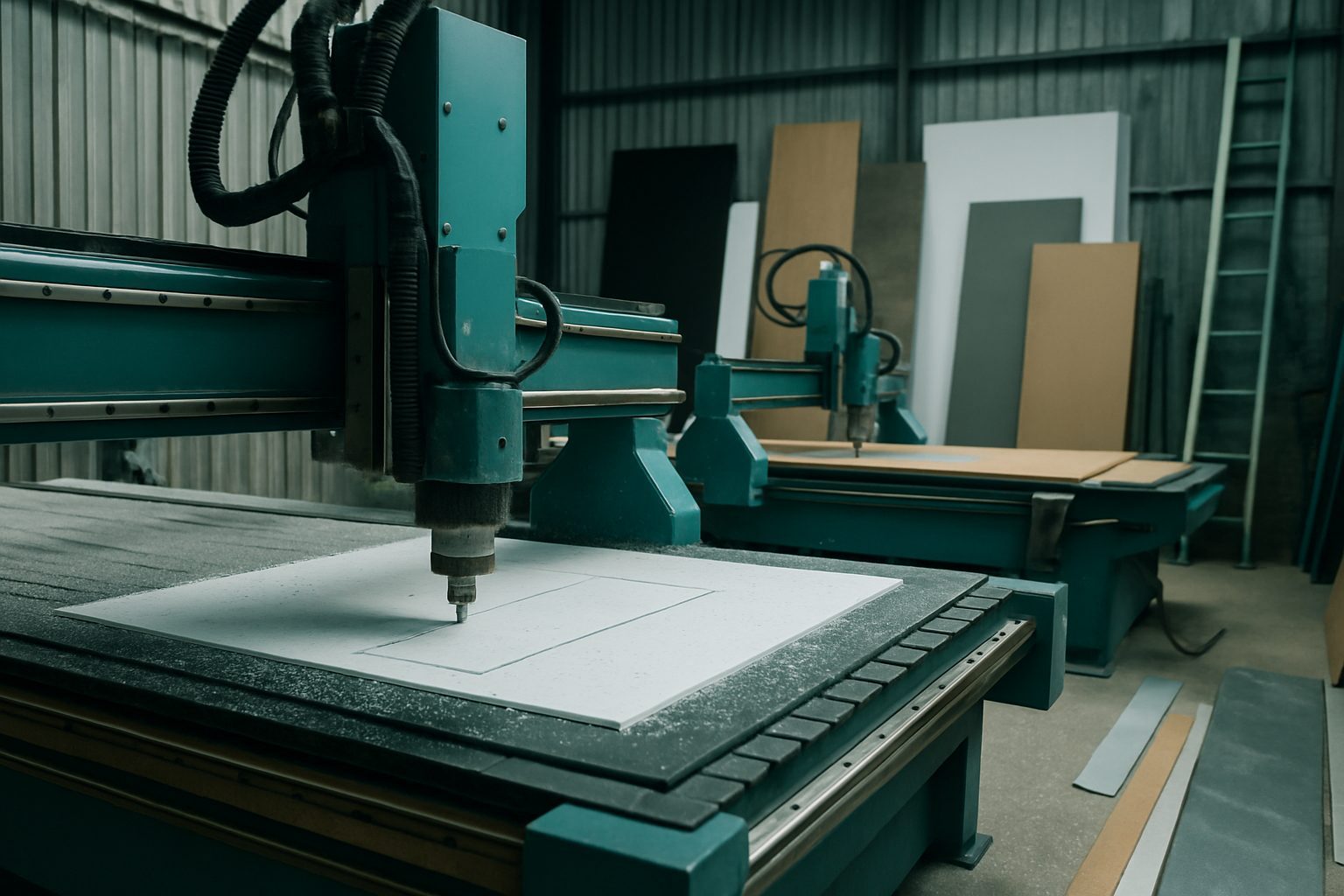
Foam and acrylic kits for stand builders on deadline.

What we recommend

Try FoamCore Nest for your next tight turnaround, and arrange a demo at Sunnyrock or one of our regional showrooms to see how your own material responds under our cutters. It is the fastest way to check fit and finish before you commit to a full overnight pack.
What overnight exhibition packs cover

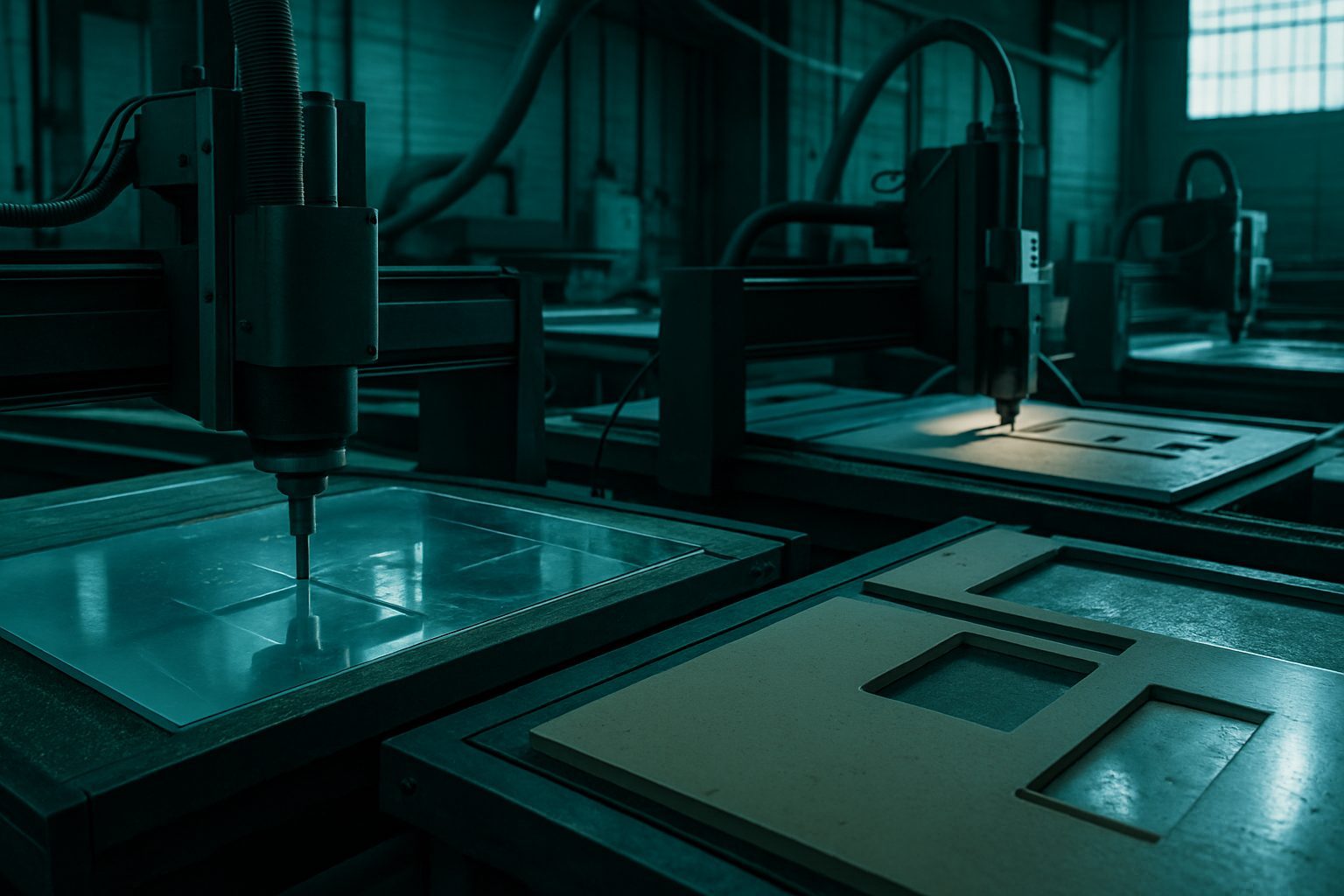
Overnight exhibition packs are pre-cut kits in foam, acrylic, and similar rigid sheets, stacked and sequenced for quick installation at show venues or demo spaces. These packs are usually ordered by contractors and agency teams facing last-minute changes, tight venue timetables, or missed courier slots. A typical pack might include wall panels, display plinths, totems, and signage blanks, all labelled or coded for simple handoff to the first available crew. Sometimes, we add small hardware plates or tie-down pieces for less rework at the venue.

Who uses them - and who is better off with a regular run

This service fits stand builders who get the final layout or graphics approval well after the main fabrication window. It is especially common for teams in Gqeberha, Mbombela, and the Gauteng surrounds, who can email a brief in the late afternoon and collect or receive the pack next day. If your job tolerates a typical lead time, or if your staff are set up for CNC work in-house, our overnight packs are probably too specialised. They are not aimed at one-off DIY builds or large volume rollouts. You get the most out of this when you need tailored parts with minimal bench work, not just generic panels.

How the process works on South African floors

The overnight process kicks off once you send us a clear written brief, even if it is just a marked-up photo with measured notes. We start by checking your site constraints, such as the time you need to be on site, what power or access is available, and who is handling the offload. Our machines team then nests your job to keep waste low and sends a one-page summary for your sign-off. We often get calls from crews who missed a key measurement or forgot to confirm access with the venue. We would rather check your van or trailer size upfront, even if it takes a bit longer, than have you stuck re-cutting panels during an outage. On the day, your pack is wrapped simply, labelled or coded as needed, and a close-out note explains the sequence for your team. If you need to compare technical specs or machinery, see Machines, Cut2Shape and Finishes, Cut2Shape.

Example: Gqeberha stand build in acrylic and foam

A recent job came from a contractor prepping a four-metre trade show booth in Gqeberha. They sent sketches and final dims by 15:00, clarifying that their hotel team had only a standard bakkie and no mains power on site. We confirmed foam thickness, test cut a join to check fit, and nested the job to fit their van. The kit included clear acrylic panels for the backdrop, foam blocks for plinths labelled to match their stand plan, and small fixing tags. On collection, the owner mentioned that it saved half a day at the venue. Not every job is that tight, but it’s a common pattern when job specs come late and every hour counts.

What to prepare before emailing

You do not need a full CAD file, but we do need measured sketches and a short written summary of the install plan. If possible, mention van or trailer specs, what access and power you expect, and how your team wants the kit sequenced. Confirm who will sign off the delivery, and any on-site constraints like flight cases, venue lifts, or curbside loading.

The more detail you give upfront, the fewer follow-up questions you will get from the bay. That said, we will check in if something looks odd or impractical before a machine moves. For advice on similar jobs, browse Industries, Cut2Shape or see recent Projects, Cut2Shape.

Main pitfalls and how to avoid them

Most of the scramble we see comes from skipped steps early on: missing dims, guessing on finish, or not asking about venue load-in times. The biggest headache is when the access constraint is fuzzy, so your team finds the panels too big for the lift or the van on the morning rush. Another common slip is sending only the pretty render, with no written sequence or sizes. It is faster to fix with a call now than to lose time or money after travel.

One snag that can catch even experienced teams is overlooking local supply pressures, such as municipal power cuts or the way Highveld static can affect certain plastics. Our shop runs through most conditions, but if you are up against the clock, always confirm your timing and make sure someone on your side can approve quick changes. For more tips on keeping things smooth, see Proof pieces before full nests, Cut2Shape and Load reduction and CNC queues, Cut2Shape.

Talk to Cut2Shape

Our contact form · Sunnyrock nest floor