Applications engineer
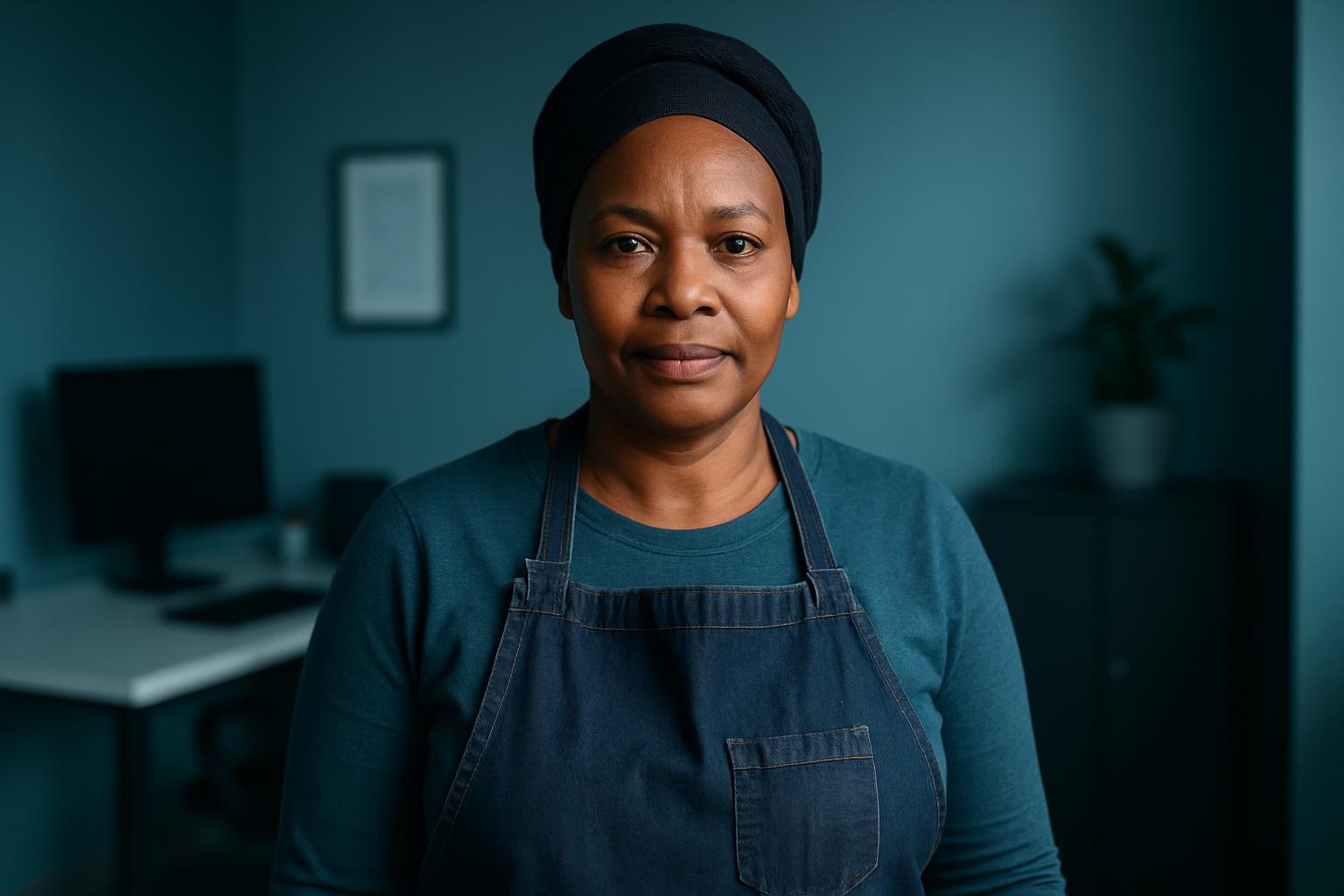
Ms Lerato Dlamini translates drawings and production requirements into the machine instructions that keep South African workshops moving. She is your link between sketches and spindle time.
Read notes on blog, or use our contact form.
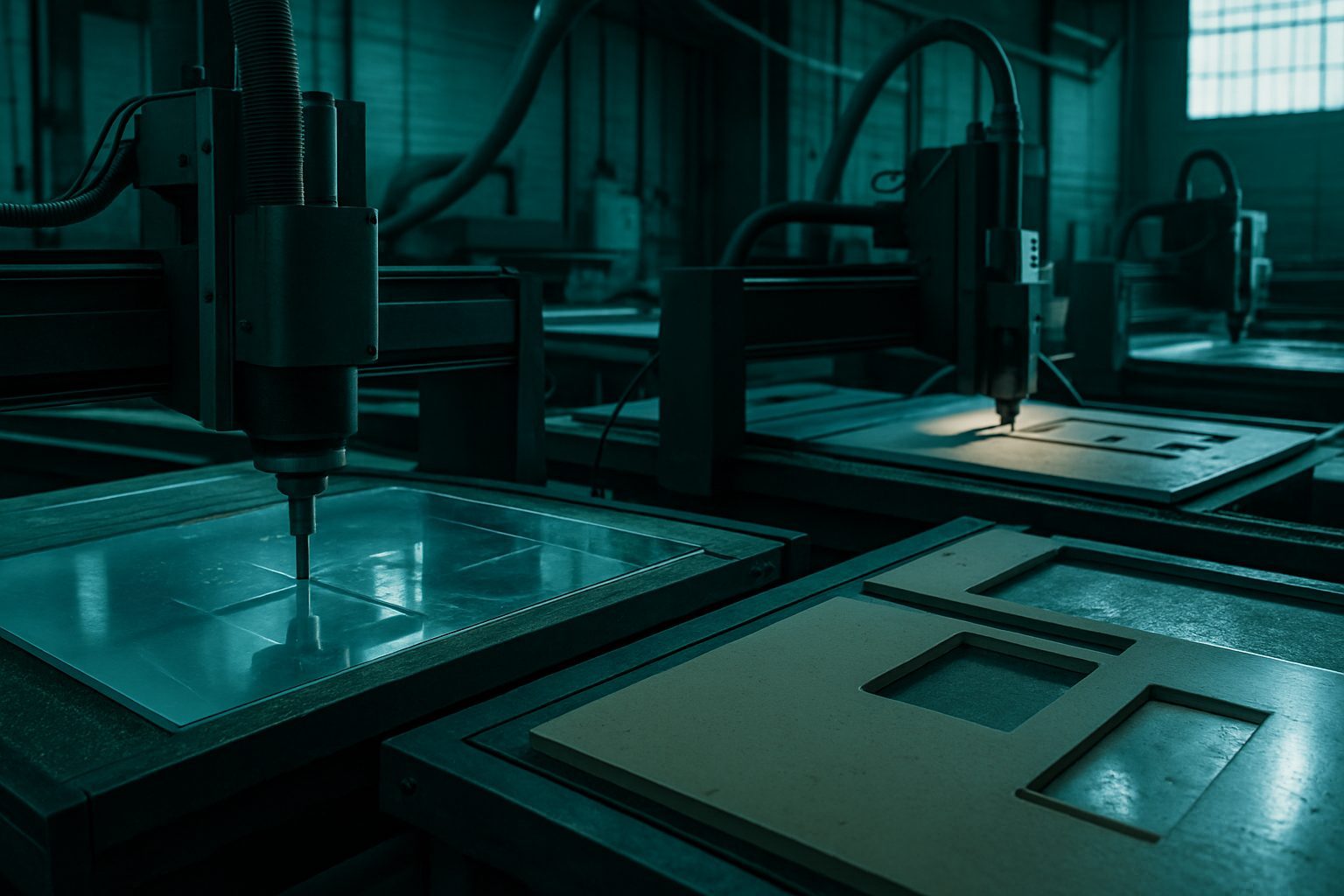
Ms Lerato Dlamini keeps a sharp pencil and a clear head when turning hand-drawn ideas or CAD exports into precise toolpaths. Her work covers makers from Germiston to Durban, helping metal shops, cabinet outfits, and prototype builders get parts that run right first time. If your workshop wrestles with sheet metal layouts, plywood nests or intricate router profiles, Lerato’s inbox is where your next job takes shape. She knows the difference between a quick sample run and full-batch nesting for Gauteng’s busier benches.
Most weeks, Lerato manages a steady stream of requests, from aluminium bracket sets for Cape Town’s tech teams to signage blanks for installers dealing with coastal humidity. She reviews every drawing, flags issues before quoting, and makes sure operators run no toolpath before the spec is clear. Lerato’s files talk directly to the machines on our floor, so the next operation won’t need extra cleanup. By Monday she’s usually sorting new emails from workshop buyers, by Wednesday she’s checking nested layouts, and by Friday she’s reviewing finished jobs headed to dispatch.
If your parts demand tight fit-ups or you want to avoid a wasted afternoon cleaning up miscuts, Lerato is your point of contact. She handles process drawings for anything nestable or profile-cut: mild steel, birch, ACM panels, high-pressure laminate, and even oddball plastics that come in through Springs or Polokwane. Workshop supervisors and owners ask for Lerato when workflows get complex, tolerances matter, or local material supply needs to be checked against the job spec.
Use our contact form and include her name in the subject line if your project needs careful attention from drawing to final toolpath.
Lerato understands the day-to-day realities of South African workshops: material behaves differently in Highveld dust or in coastal humidity, and programming sometimes pauses for power cuts or municipal outages. If a file arrives skew from a CNC operator in Gqeberha, she asks the right questions before booking spindle time. Lerato always checks that the drawings match what actually arrives on the truck, and she factors in public holidays and supplier habits when planning jobs. Her approach is practical: clear language, annotated screenshots, and picking up the phone when an email won’t settle a tolerance issue.
Whether you’re a workshop owner in Bloemfontein or part of a growing manufacturing team in Durban, you can rely on Lerato’s advice when prepping your next Cut2Shape job. She keeps close with the rest of the Cut2Shape team to make sure your files move smoothly from first email to finished part. If you ever need insight into a tricky profile or new material, Lerato’s notes are often shared in the company blog. For direct help with your toolpaths and drawings, use our contact form and ask for Ms Dlamini.