
Blog

Managing power cuts and CNC queues

When Eskom’s schedule shrinks your cutting window, CNC queues need discipline. Here’s how we keep South African projects moving, even during power outages.

A typical Highveld scenario

On the Highveld, dry winter air and sudden municipal outages often catch teams off guard. One Joburg client booked a Saturday morning slot for urgent aluminium plate work. We double-checked the local substation’s planned works and flagged a possible two-hour outage. By shifting the CNC run to late Friday and prepping the vacuum hold-downs ahead of time, we kept the job on track. The key was keeping the pick-up team in the loop and confirming site access before the weekend.

Mistakes often happen when teams assume their usual slot will be available. Always check for changes in local power schedules and communicate any updates straight away. It is better to reschedule a cut than to risk a crew waiting around or a critical part missing its delivery window.

Workshop context

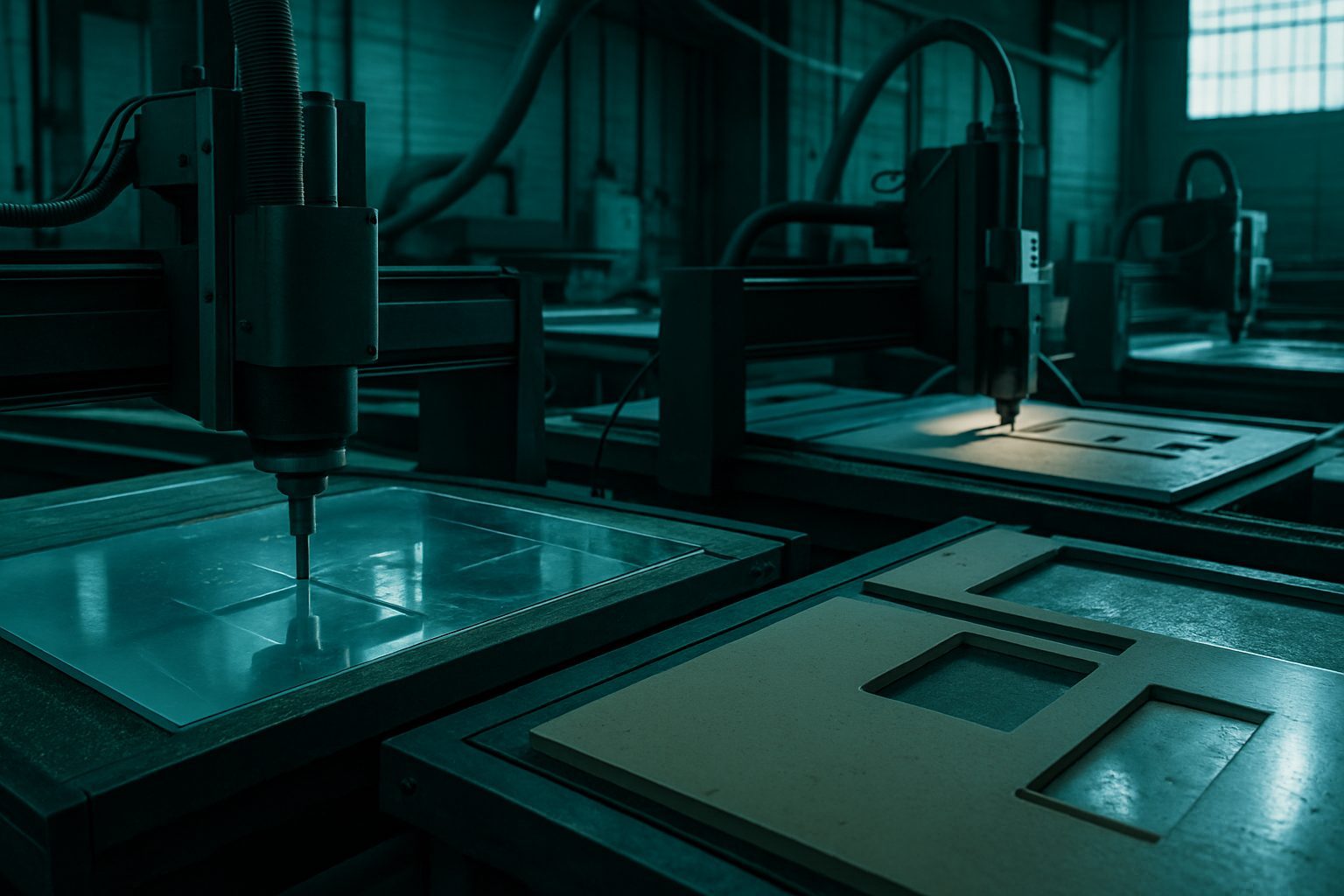
Queue discipline when power windows shrink.

What we recommend

Combine strict queue discipline with a hands-on demo at Sunnyrock or any of our regional showrooms. Bring your own sheet to see how we manage tight slots and handovers, even when the power window is short.
Why power cuts affect CNC jobs

Power cuts and outages are a reality for any workshop, from Pinetown right through to Alberton. When the mains drop, there is less time for spindle work and finishing. At Cut2Shape, we know that relying on guesswork or hoping for an open slot leads to lost jobs and frustrated crews. We hear from teams in Pietermaritzburg and Bloemfontein that a disciplined CNC queue is essential, especially when jobs are split between internal and external teams.

If the power window shrinks unexpectedly, every step in the sequence matters. A clear record of who signed off and when helps avoid the classic scenario: a part is ready but no one’s there to receive, or approval is missing just as the current shuts off.

Who benefits from this approach, and who does not

Our queue discipline is designed for teams who need tight handover and minimum do-overs. If you are running production in a municipal depot, fitting out a Cape Town retail floor, or managing multiple jobs with small teams, you will benefit from this approach.

However, if your project can flex by a week, or if on-site approval is less critical, the extra layer of sign-off may not suit your workflow. Quick one-off cuts, personal projects, or jobs where timing is loose may find the full queue protocol overkill.

How queue discipline works when timing is tight

We plan around the main constraint, not just the job list. Before booking spindle hours, we record site access, available power slots, and who must sign off each step. No special software or apps, just a clear plan agreed by everyone involved. This prevents confusion, especially when a Pretoria contract crew needs to hand over to a site lead who may get caught in a power outage.

Take a recent case in Bloemfontein: the client’s install team could only work from 15:00 to 18:00 on Friday, but a municipal outage was due at 16:30. By logging all constraints and getting sign-off early, we moved cutting forward to the day before and organised collection at 14:30. The team finished on time, with no idle crew or wasted effort.

Checklist: What to prepare before you email

Before emailing your queue request through our contact form, prepare your brief and note the following details. This helps us schedule your job for the right power slot and machine line-up.

Common pitfalls and how we avoid them

The most frequent mistake is not writing the main constraint down. Skipping a briefing step or skipping the final sign-off can mean jobs run late, or parts sit sorted but cannot be delivered. If the person collecting changes and that’s not updated, the queue falls apart and someone pays for a late shift or an unused crew.

We avoid common slip-ups by pausing before the first cut. Our team checks your job details against known power reduction times and the machine line-up. We confirm the site constraint, timing, power window, and sign-off contact. If anything is missing, we follow up before work begins. A quick check now saves a wasted shift later.

For more ways to keep your schedule on track, see our industry briefing or read about machine options for queue flexibility. To discuss a job in detail, mention "Power cuts and CNC queues" when you get in touch.

Talk to Cut2Shape

Our contact form · Sunnyrock nest floor