Match NestCut CNC Panel nesting and fixture options to your floor, not just the datasheet. This guide speaks directly to South African workshop realities.
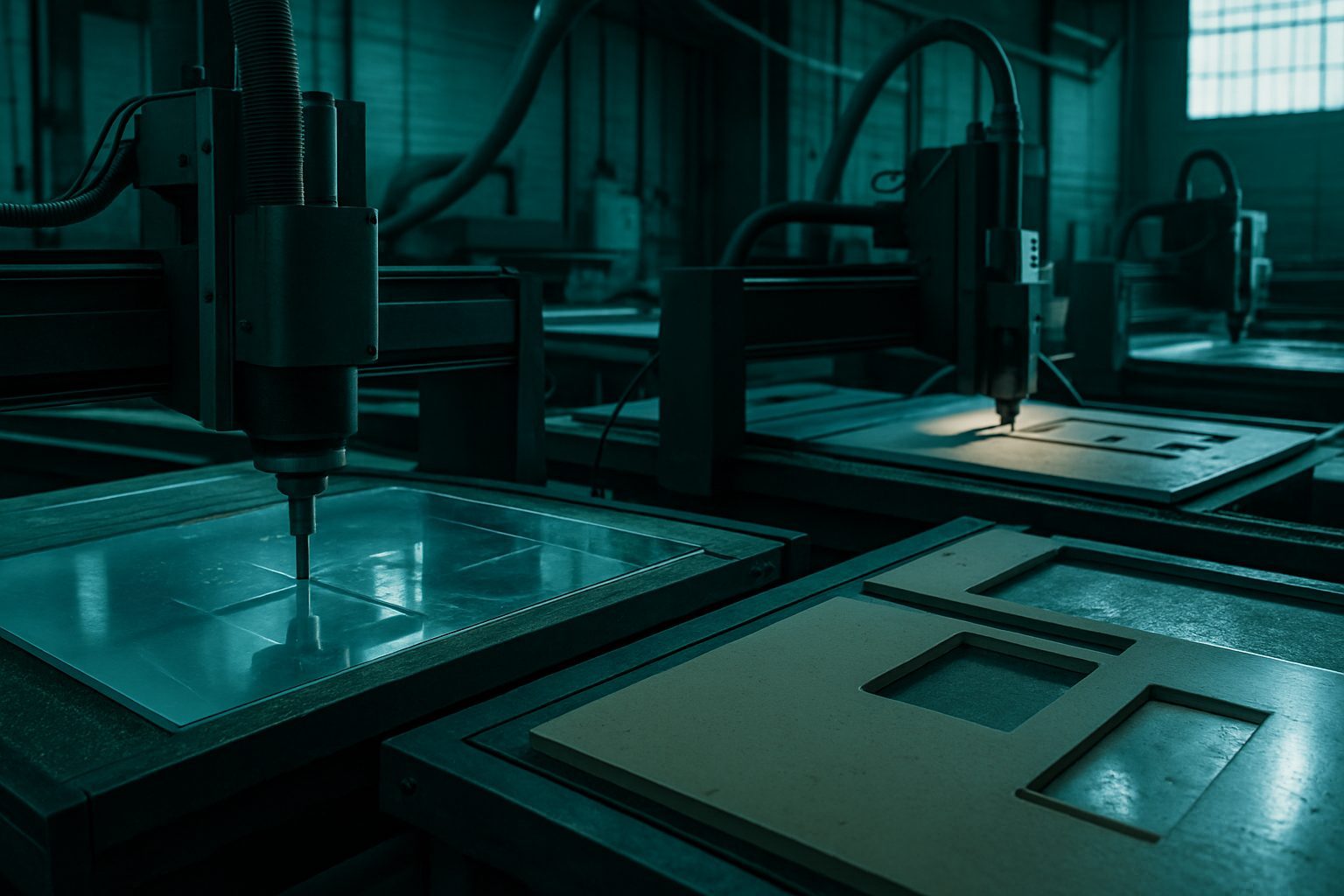
In coastal regions, changing humidity can affect how sheet materials behave under vacuum hold-down. For example, if you are running a batch of acrylic display parts in Durban and the air is damp, small or narrow sections might shift if the vacuum drops even slightly. The best approach is to add extra tabs or adjust the fixture plan to account for this. Always review your part sizes and the hold-down method before cutting, especially if you have a mix of large panels and fiddly cut-outs. A quick check with a test piece can save a whole run from shifting or chipping.
South African workshops see this most with jobs that mix materials or use offcuts. If you are unsure, ask your operator to do a dry run or clamp test before committing to the full sheet. This step catches most surprises early, saving time and avoiding wasted materials.
Industries · Blog · Contact us.
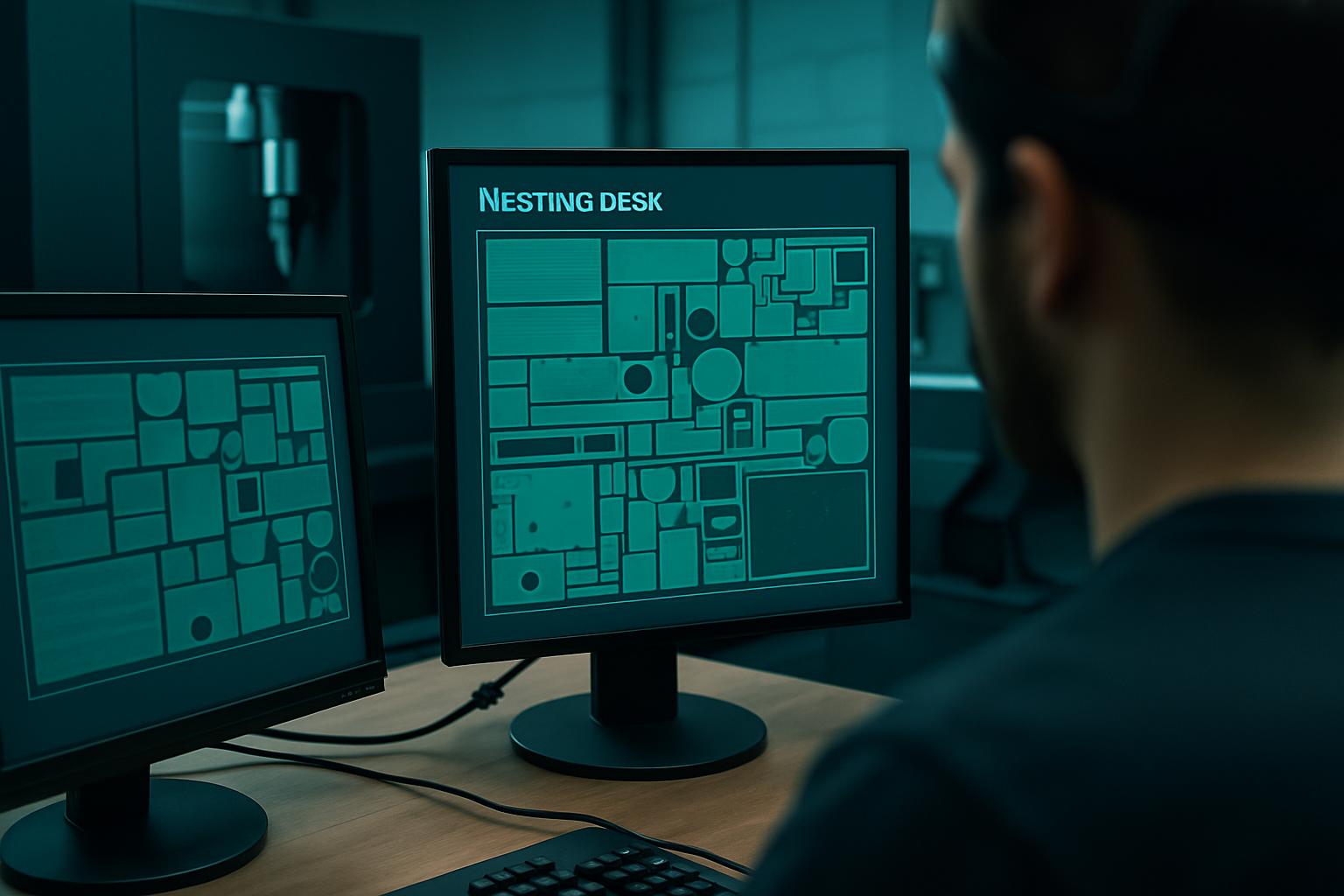
NestCut CNC Panel nesting means grouping and laying out your sheet parts before the spindle even moves, so you cut down on waste and speed up handover. With electricity costs, operator hours, and occasional Eskom or municipal outages, each nesting plan must be tough enough for South African workshop conditions. Nesting is more than just squeezing shapes together. It is also about getting practical, labelled, and ready-to-finish parts to your next step, whether you are working in Germiston, Cape Town, or a smaller town.
Our NestCut CNC Panel rigs are set up for jobs that need batch runs and repeatability, handling MDF, ply, compact laminate, acrylic, or aluminium up to usual panel sizes. If your operation needs a run of kitchen carcasses, shop displays, or sign panels with consistent edge quality, this approach saves time and spills less material to the skip.
Nesting pays off for teams with regular cuts, repeat work, or when a project needs all the fiddly parts to land square and in sequence. You will see gains if you want fewer offcuts, labelled stacks, and less bench time. Cabinetmakers, shopfitters, signage crews, and furniture makers around Gauteng, Durban, or the coast often work this way, especially when production lines are tight and delivery windows do not budge.
If you have a one-off shape, very thick timbers, or only need a couple of odd angles, nesting is not your route. Full 3D sculpted work, heavy steel, oversized architectural jobs, or basic bandsaw frames do not suit this process. The upfront planning is not worth it if your design changes often or your volume is low.
It starts with your drawing set, DXF, PDF, or even a marked-up photo. Our operators review your constraints: sheet type, standard sizes, grain, finish, and what comes next in your process. Nesting software lays out the parts for minimum waste and maximum stability, giving the operator a clean cut list and a fixture plan. The team checks hold-down methods so small parts do not shift or chip, even in a Highveld winter or Cape Town humidity.
For a kitchen fitment job, say you supply a list of carcass panels, all with holes and rebates marked. We will nest those on 18mm white melamine, orienting grain and shelf pins. Parts are tabbed so they do not scatter, labelled for each drop-off, and shrink-wrapped for transport up to Polokwane or down to Gqeberha. The bay logs issues and tweaks for the next run, so your next order starts smoother.
The main trap is skipping your constraint check. Teams sometimes miss confirming the finish, part gaps, or the next step in the process. This can mean extra trips, mismatched edges, or wasted boards. Power cuts or unexpected outages can also cause delays, so it pays to allow for some buffer in your schedule. Decide early what matters most, whether it is saving the most material, getting the best labels, or avoiding extra sanding.
Before you email, have your drawing set (even messy), clear callouts for grain or finish, and your delivery suburb. If you have run into an issue on a past job, tell us where the cut or fixture failed. We keep an internal note and avoid that miss next time.
If you are ready to move forward, send a message through our contact form with your job details and drawings. Our team will reply with a practical cut sequence and flag any issues before spindle hours start. For machine specs or maintenance options, visit the NestCut CNC Panel specifications or service page. There is no need to polish your files to perfection, plain sketches and photos are fine to start.
For more detail on surface options, see the finishes section, or check what other South African industries are running in the industries overview. The best nesting plan is the one that works on your actual factory floor, not just what looks neat in a sample image.
Verified Google reviews