Here we set out South African-ready MultiSheet Nest specifications and fit notes. We give practical numbers, options, and site prep tips for your next machine call.
One common issue we see is teams overlooking the true height and width of their delivery path, especially through older workshop doors or narrow corridors. Before the MultiSheet Nest arrives, walk the whole route from offload point to the install spot, tape-measure in hand. Check for low beams, steps, or sharp turns where the machine or its crate could get stuck. It sounds simple, but clearing just one tight corner ahead of time can save hours and avoid unexpected crane or dismantling costs.
Another tip is to test the actual power supply with your electrician before the delivery day. Plug in a heavy-duty tool or heater on the same circuit and run it for at least 20 minutes. Watch for any tripping or voltage drops. This quick check gives you a real sense of your site's readiness and helps avoid last-minute rewiring or delays when the installers arrive.
Industries · Blog · Contact us.
| Sheets | Mixed thickness |
|---|---|
| Remnants | Carry-forward |
| Lanes | Per thickness |
| Out | Labelled racks |
| Compat | NestCut CNC Panel |
Use our contact form for a tailored footprint.
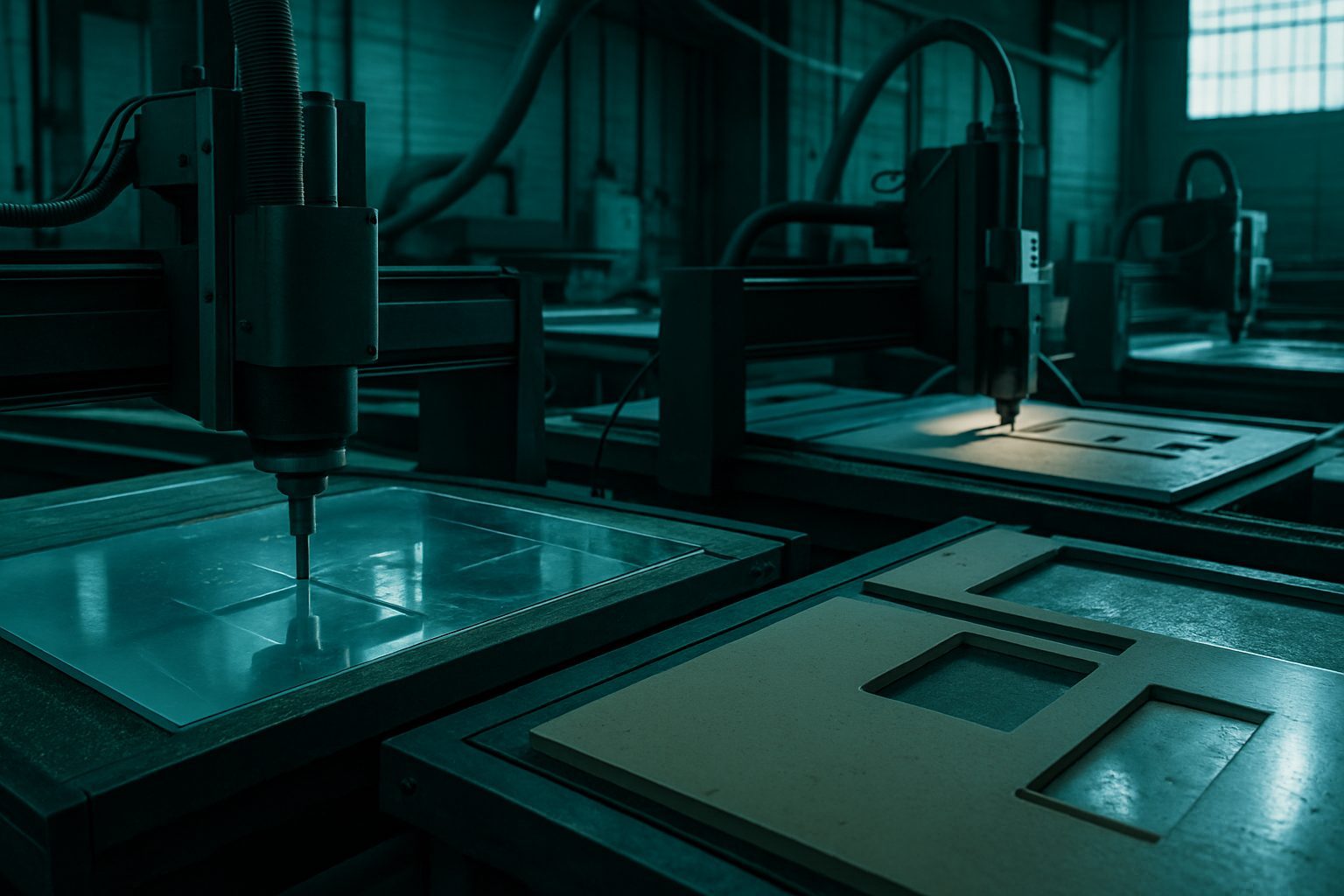
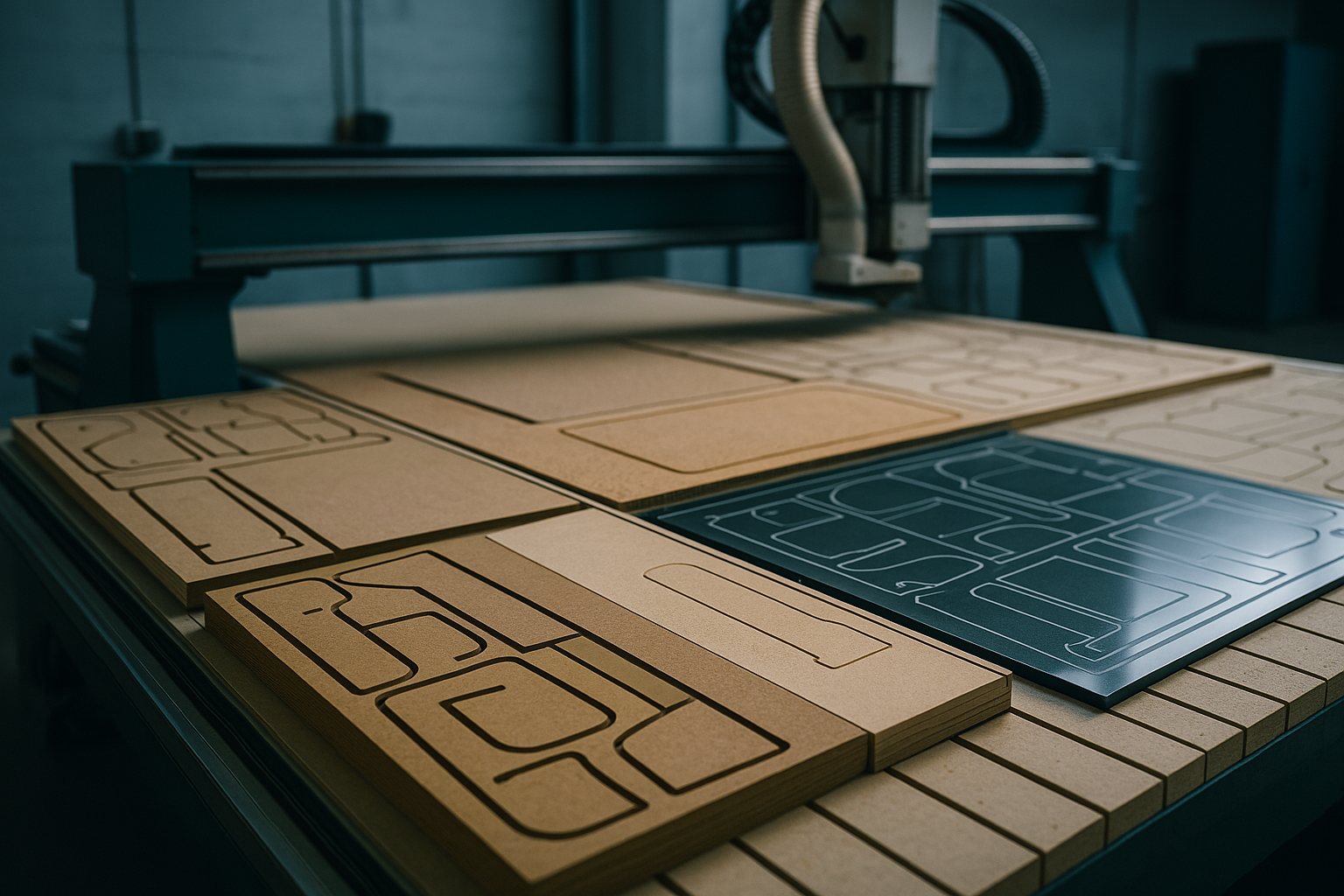
The MultiSheet Nest takes flat material, plywood, aluminium or composite panel, and cuts multiple pieces in one go by nesting profiles tightly. It is a practical fit for production runs or varied one-off shapes when you need a short job-to-part cycle. On a busy floor in Gauteng or Durban, that means less double-handling and fewer offcut headaches. The machine’s nested approach suits furniture shops, signmakers, cabinetry teams and anyone building batches where the cut plan matters as much as the toolpath.
It is not for every job. If you only need the same rectangle all day or you have no space to swing a full 2.7-metre sheet, you will find a single-sheet router or a hire job more practical. MultiSheet Nest shines where part variety justifies the setup: custom storage banks, signage, shopfitting, or CNC-ready blanks for metal fabrication. If you often change material thickness, check your clamp and vacuum options before confirming.
Our numbers reflect how machines land and run in local conditions, mains supply, workshop height, and doorways that never match catalogue drawings. MultiSheet Nest’s working envelope is 2.7 metres by 1.8 metres, accepting standard board and most oversized panels. The clearance required behind and to the sides is at least 900 mm for loading parts and clearing dust, even if your bench is tight.
Power is 230 V or three-phase (we can advise which supports your planned runs and material). Extraction is by standard 150 mm port, with a minimum air draw around 800 cubic metres per hour. Setups in Cape Town or Gqeberha benefit from extra rust-proofing if humidity is a concern. Movement is caster-based for positioning but expect to bolt down before long jobs. See more about MultiSheet Nest nesting & fixtures if you have a complex brief.
Loading is usually manual, with two operators handling full sheets. Once loaded, the MultiSheet Nest scans registration marks or a barcode to pull the right cut pattern from your file set. The operator monitors the part run, pausing only for material snags or bit changes, then offloads sorted stacks straight to the assembly bay. Most weeks, buyers in Isando or Montague Gardens batch multiple jobs together to save on retooling and reduce edge waste.
A real example: a shopfitting team in Germiston runs battens, curved face panels and door blanks from the same 18 mm marine ply pack. Their brief has three thicknesses and tight deadlines, but MultiSheet Nest’s nesting software sorts out the yield, saving around 20% on base sheet cost. All parts come off with coded tabs for fast sorting and next-operation handoff, no extra scribing or bench time required.
A clear brief from your side helps us get it right first time. Before you email, jot down the main challenge on site, whether it is a tight doorway, limited power, floor space, material type, or a deadline. Attach your working drawings or part sketches if you have them. If drawings are not available, two sharp photos with all key measurements will do. Let us know your city or the closest industrial area so we can allow for transport, altitude, and humidity conditions. If you expect any municipal outages or power cuts during your planned operating shifts, please mention when you will have reliable power for commissioning or test runs.
South African floors throw curveballs: unpredictable power, doors that are smaller than manifest, or rushed deadlines that push teams into second visits. One classic pitfall is picking a machine size for the sales line, not the bench reality. Another is underestimating Highveld dust or coastal air on components, corrosion and blockages slow down output. A surprising number of teams skip checking extraction or power compatibility and lose a week waiting for a contractor fix. MultiSheet Nest service covers ongoing support, but matching the machine to your real site makes the biggest difference.
If you are unsure between two spec options, pick the simpler one your own crew can support without hunting down a specialist for every hiccup. We keep a running list of what failed or landed well on previous jobs, so lessons from other Gauteng, Durban, or Bloemfontein teams do not go to waste. If in doubt, send a message through our contact form with your city and timing. We will give clear, numbers-backed feedback before you fire up the order.
Verified Google reviews