Finish
Keep peel films protected through cutting, nesting and handoff. Our ACM peel-safe service gives you cleaner, easier panels with no extra cleanup in the workshop.
See FAQ and pair with machines.
Ask about finishes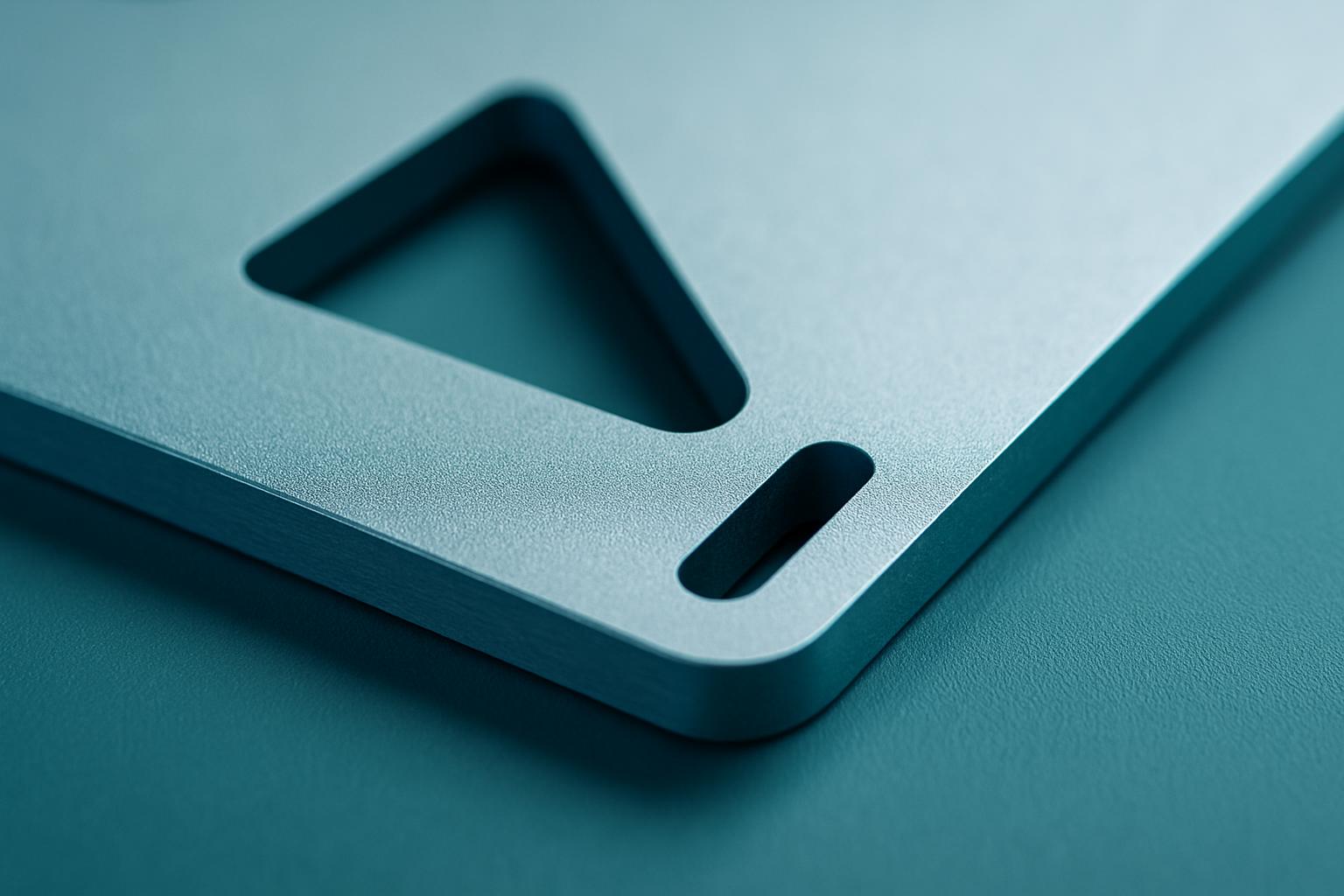
Peel-safe for ACM (aluminium composite material) is our process for keeping the factory-applied plastic film on your panels through every step, profiling, nesting, and packing. If you install panels in Gauteng’s dust or coastal humidity, that top film matters. It leaves your product ready for transport, installation or the next finish, while protecting the surface texture and any existing printing from dings or scratches. This finish is popular with signage fabricators, shopfitting teams, and curtain wall installers where appearance is non-negotiable. We work on both branded and generic ACM stock.
Peel-safe is suited for buyers who want a clean, protected face as far down the line as possible. If your operators are set up for high-throughput assembly, or you handle parts where an unmarked surface is critical, specifying peel-safe avoids extra time spent cleaning up gouges or removing stuck film fragments.
It's less suitable for panels going straight to powder-coating or anodising baths, you'll want powder-coat prep or anodise-prep plate for those jobs, where we strip or prep the surface for perfect adhesion. Discuss your downstream process; our team will recommend the best finish for your run.
Before cutting, we check for film adhesion and identify the exposed faces based on your drawings or supplied panel prints. We adjust cutting parameters so the film stays clipped to the edge, and parts are nested to avoid lift at the corners during transit. Every part is checked for film continuity before stacking. On most weeks, jobs are palletised or crated for local delivery in Johannesburg, Cape Town, Durban, Gqeberha and across the N3 and N1 corridors.
A typical example: a signage company in Germiston orders 1000x2000 mm ACM panels, each shaped with custom slotting for shopfront fitment. The face film stays intact during profiling and is only removed at final install, reducing site scratches and returns. We flag any areas where cut geometry could compromise film adhesion so you can adjust design or accept the local lift-off.
To keep things moving, prepare your files and requirements with peel-safe in mind. This lets us check your spec and flag any risk areas before the spindle starts up. Send your files and notes through our contact form, and include:
A clear brief saves hours on the floor and avoids last-minute surprises. Our team will email if anything needs adjusting before production.
See other finishes for MDF, timber or foam jobs. Explore our machines page for details on routers and cutters.
We see a few recurring issues with ACM peel films. If drawings are unclear about which face needs protection, there's a risk of the wrong side facing up, leading to wasted panels. Extremely tight tolerances around radii or internal slots can cause the film to lift, especially if the machine path does not account for film thickness. If you reuse offcuts, note that film adhesion weakens with multiple process steps.
We review every panel for spots where the film could lift during cutting, then recommend other finishes or mark those areas for your go-ahead. On bigger batches, especially when facing power cuts or municipal outages, we plan so each run finishes cleanly and film edges do not cool or lift unevenly. If you have any doubts on how to set up your files, our team will guide you step by step, making sure your job suits your workflow.
Verified Google reviews