Finish
Plates come off our floor cleaned and ready for your anodising partner. Skip the extra afternoon of edge-sanding and keep your finishers happy.
See FAQ and pair with machines.
Ask about finishes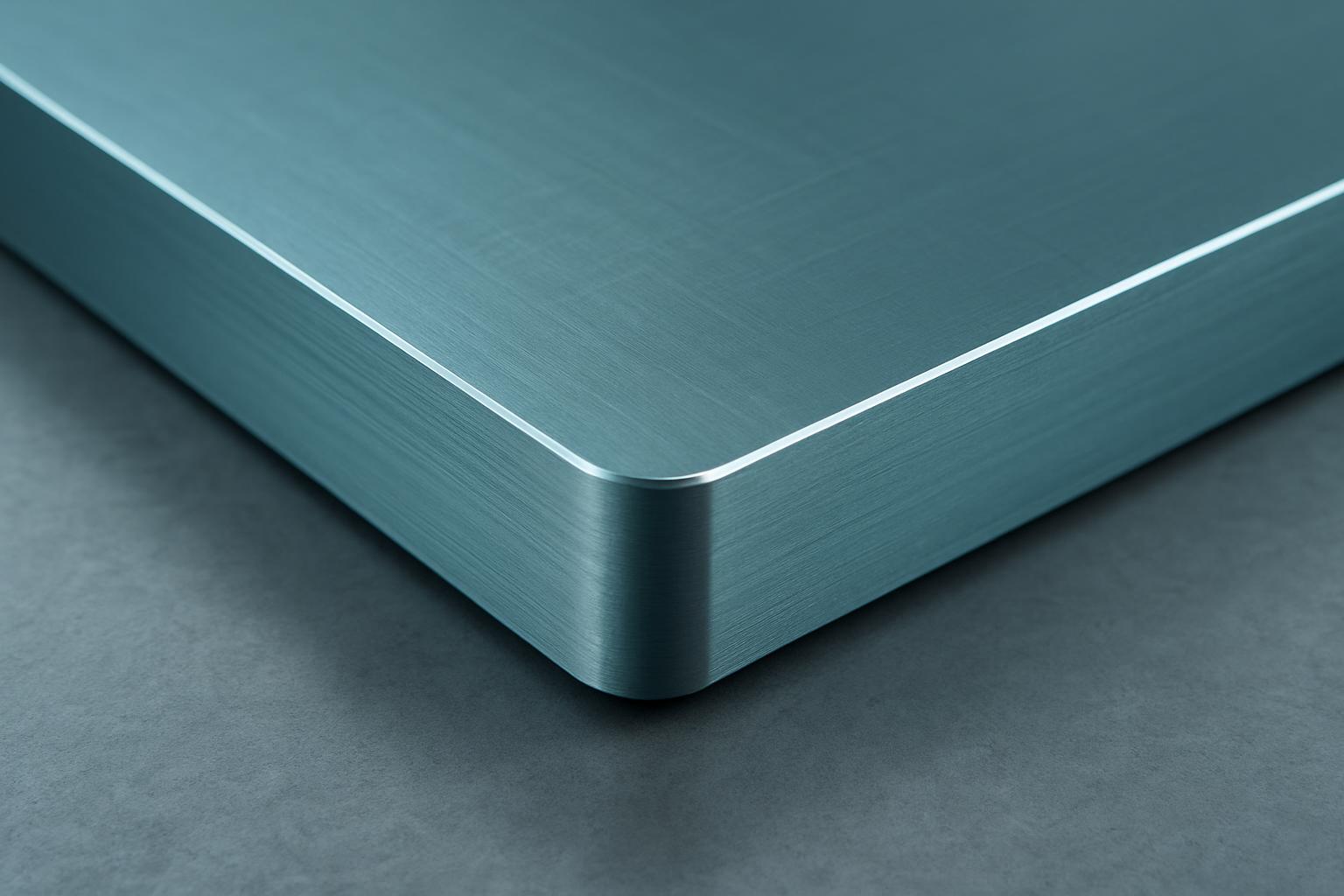
Anodise-prep plate is aluminium sheet or plate cut to your shape, then specifically cleaned at the edges for anodising. We focus on removal of burrs, sharpness, oxide and lubricant, leaving a clean, fresh edge that won't cause headaches at your anodiser. This is not just a quick deburr. It is a targeted process aimed at minimising rejects and finish problems when your parts go to the next bay. Our team has handled jobs for Gauteng panel builders, Cape Town hardware fabricators and marine fitout shops needing consistent anodising outcomes.
Anodise-prep plate is ideal for South African manufacturers and fabricators whose aluminium work will be sent to a local anodising plant, often for its final appearance or extra protection. If you are making signage, furniture, marine hardware or enclosures in aluminium, specifying anodise-prep means your plate arrives at the anodiser ready for racking without extra edge work. Many Highveld customers request this finish to match their finisher's standards or to save time during unexpected power cuts. If your parts will be powder coated, painted or simply assembled, other finishes like powder-coat prep or edge-band ready may suit better. There is no need to choose anodise-prep for plates that do not require a visual or corrosion-resistant finish after assembly.
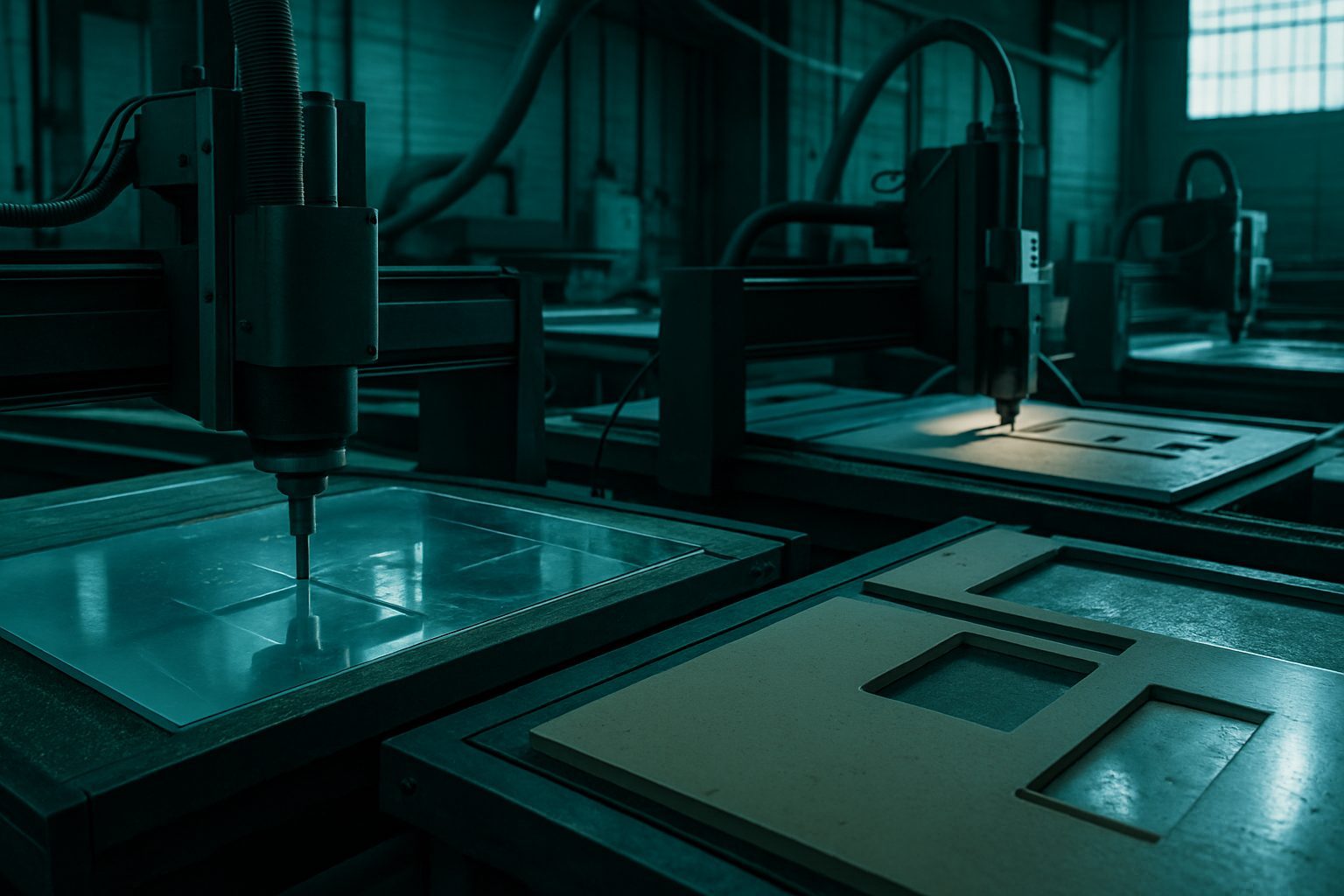
In practice, our team machines your aluminium plate to your drawing, then applies a dedicated edge cleaning routine. This removes burrs, cutting residues and surface contamination that would otherwise interfere with the anodising process. Each piece is stacked to avoid edge knocks and is protected from Highveld dust or coastal salts during handoff. Most Gauteng and Durban clients collect or arrange courier, then drop directly to their trusted anodising plant. By prepping the edges for you, we reduce the risk of 'burn marks' and lost production due to finishers rejecting parts for contamination.
A workshop in Germiston cutting drawer fronts chooses 2 mm aluminium, routed to size. They request anodise-prep so that when their courier delivers to the East Rand anodiser, there will be minimal handling. The edges are free of grit and oil, with careful hand cleaning between operations. When the plates arrive, the anodising team racks and processes them without extra buffing, saving at least a shift in prep time. The result is a uniform, high-quality finish with no rejected panels.
Before you send us a message through our contact form, please have your technical drawings and material grade ready. Note your anodiser's specific requirements, does their plant have racking constraints or need extra edge relief? If you know the batch size, the part orientation and max plate size in millimetres, including this helps us quote accurately. Where possible, share details about prior finish problems (blistering, rack marks, inconsistent coverage) so we can tailor our prep method.
Some workshops assume their anodiser will clean edges as part of the process, but many expect incoming parts to be fully prepped. If edges arrive with leftover burrs, oil or oxide, your plates may be rejected or suffer from patchy coverage. Another trap is specifying anodise-prep for grades or parts that cannot be successfully anodised, some alloys are not suitable for decorative finishes. To avoid confusion, confirm your requirements up-front and review our other finishes if your job doesn't need anodising. If you are ever unsure, send us a message through our contact form for advice before cutting begins.
Verified Google reviews