
Blog

Core-safe bits for honeycomb

Our team uses core-safe bits to keep honeycomb panels intact during precision CNC cutting. We share what works, where to watch for problems, and what to check before you start.

Avoiding core crush on humid coastal cuts

Working near the coast, especially in Durban or Gqeberha, humidity can soften some honeycomb cores and make them more prone to crushing or pull-out. Before cutting, let the panels acclimatise in your shop for a few hours to balance temperature and moisture. We have seen teams skip this step and end up with panels that bow or shed core fragments during machining, especially on large-format sheets.

Set up a quick check by running a test cut on an offcut or edge strip before you start the main job. Look for any signs of skin delamination or fuzzy edges. If you spot problems, adjust your feed rate or swap to a sharper bit. Paying attention to these details upfront makes all the difference, especially in coastal conditions where material behaviour can shift from one day to the next.

Keep exploring

Industries · Machines · Contact us.
Workshop context

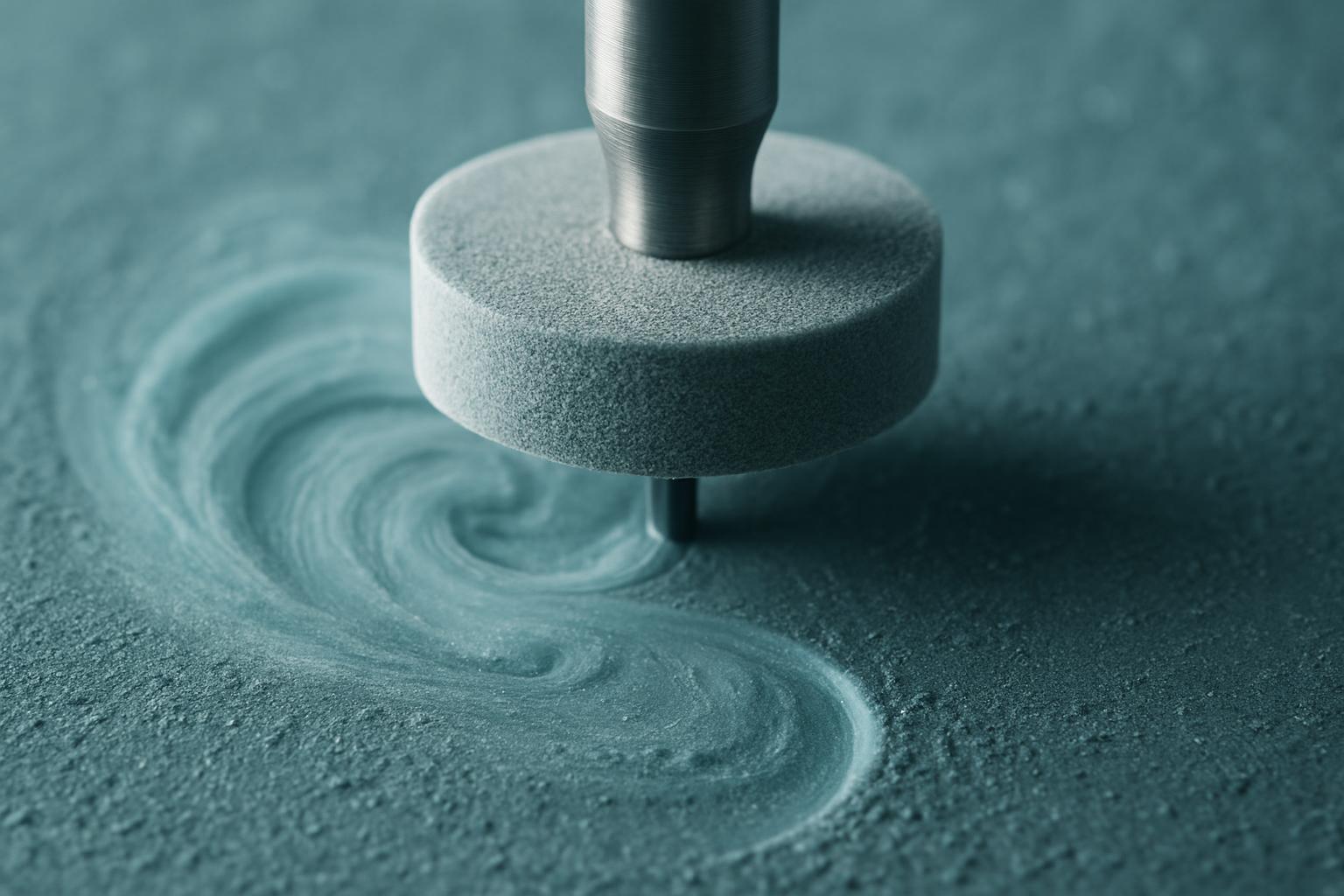
Downforce and bit geometry that leave cores intact.

What we recommend

If you want to see real results, bring your own honeycomb or sandwich sheet for a test run at Sunnyrock or one of our regional showrooms. Nothing beats a live demo when you need to confirm clean edges and a stable core before committing your full batch to the CNC.

What core-safe bits do and where they fit in SA jobs

Core-safe bits are designed for cutting honeycomb and sandwich panels without blowing through or tearing delicate cores. In South African manufacturing, these panels show up in transport, built environment, and signage, anywhere weight-to-strength ratio matters. On our Germiston floor, we see requests from Pretoria to Gqeberha for both aluminium and plastic honeycomb sheets needing precise cuts with clean, supported edges. The point of a core-safe bit is balanced downforce and geometry that keeps the thin face skins intact while protecting the low-density core from collapse or pull-out.

Teams working on bus interiors, rail fit-outs, or modular display stands get the most from these bits. If you are only cutting solid plastics or MDF, there are simpler toolpaths that handle the job. Honeycomb needs special care, especially on jobs that will be inspected by a client or sent into a public space. If you rush the planning, you will find out quickly, usually from a loud crack or a collapsed edge at handover.

Matching the tool to the floor: constraints to write down

When working with Pretoria contractors or East London shopfitters, our first question is always about the main physical constraint on the job. This could be a specific client requirement, a tight site layout, or even the size of the gap from the loading bay to your workbench. We check for power supply, part dimensions, handling needs, and who gives the final sign-off before any machine starts up. Overlooking just one point here can cost hours in rework or extra trips. Getting those details right up front is usually what separates a clean handover from a night spent cleaning up dust and offcuts.

Once the constraint is agreed, we select a bit and hold-down method that matches the panel type and shop setup. This pause produces a better outcome than just reaching for whatever bit is sharpened. This step matters whether you are in a Gauteng industrial park, a Paarl sign shop, or a Durban marine outfit. For extra guidance, see our notes on machines and finishes that fit South African floors.

How core-safe bits run in practice: a worked example

A transport fit-out team in Johannesburg needed 22 honeycomb panels trimmed for a bus interior. Each panel had an aluminium skin with a light polypropylene core. Their team emailed clear dimensions, sheet thickness, skin spec, and a quick install note. We checked their constraint, no edge blow-out, as panels would be butt-joined and visible. After reviewing machine choices, we used a downcut spiral bit designed for honeycomb, set clamping blocks along the sheet edge, and adjusted feed to avoid core drag.

The operator started with a single panel, stopping at the first corner to inspect for any signs of skin lifting or core damage. We kept clear records with machine logs and photos for reference at handover. Every panel finished with face skins firmly attached and no ragged edges. The team brought their own checklist, loaded the finished parts, and headed back to Joburg before an Eskom outage hit. The smooth result came from having clear constraints and checking each stage as planned.

Who should, and should not, ask for core-safe bits

If your shop handles honeycomb or sandwich panels where the core must stay whole, core-safe bits are worth the extra planning. They suit bus body builders, modular fitters, aerospace workshops, and exhibition contractors working with light but strong sheets. They save hours otherwise lost to patching edges and hand-trimming blown-out cores. If you only ever cut solid timber, MDF, or acrylic, standard spiral or compression bits are simpler and cheaper, they do not offer extra benefit for solid materials.

If you outsource finishing or are new to CNC, check with your operator if they know the core-safe setup. We have seen mistakes where teams skipped the briefing and ended up reordering panels from Cape Town or Durban. A little preparation upfront will spare a full afternoon of fixing later.

Checklist: what to send and what to watch for

Pitfalls we see include: not stating client finish requirements, missing the sign-off step, or sending panels without a handling note (which matters for large sheets in a windy Gauteng bay or a humid Durban shop). Also, beware of mix-ups in specifying metric versus imperial sizes, this is a common source of waste. For more on part prep, see DXF hygiene for SA shops.

Get practical help, email for a walkthrough

If you want to see how core-safe bits for honeycomb should run on your next job, or need a test cut for sign-off, send a message through our contact form and mention the panel type, part size, and your constraint. Our Isando nest bay team answers most technical queries in a working week. To see similar projects, check Projects or our blog for more real-world notes.

Talk to Cut2Shape

Our contact form · Sunnyrock nest floor