Blog

Clear acrylic without haze

South African makers and buyers want clear acrylic faces without haze. Here we set out our on-floor order of work to deliver crisp, polished results.

Checking sheet quality before cutting

Before any cutting begins, our team inspects each acrylic sheet for surface marks, internal bubbles, or edge chips. Even minor flaws can show up after polishing, so we reject any sheet that does not meet a clear standard. For jobs in coastal cities, where humidity can affect both storage and finishing, we let the acrylic acclimatise in the workshop overnight. This reduces the risk of static or moisture spots that can appear after cutting.

One common mistake is assuming all clear acrylic stocks behave the same. Imported batches sometimes arrive with a slightly different masking or surface tension, which can affect the first cut. We always run a quick test pass on a corner to check for tool chatter or unexpected melting. Catching these issues early prevents wasted material and saves time on rework. If you are sourcing your own material, let us know the supplier and batch if possible, so we can adjust our setup before the first run.

Keep exploring

Industries · Machines · Contact us.

Workshop context

Cool bits, soft pads, and polish handoffs for crystal faces.

What we recommend

For the best results on clear acrylic, request our AcrylicClear Cut service and arrange a demo at Sunnyrock or any regional showroom. We will process your own sheet, so you can see the clarity and edge quality first-hand before you commit to a large order.
What haze-free clear acrylic actually means

Haze-free clear acrylic looks like glass but handles like plastic. No clouding, no milky swirls on the face or ragged edges on the cut. That matters for display panels in retail, safety screens in labs, and any application where clarity is the main ask. We see these requests from Gauteng offices, Cape showrooms, and clean factories alike. If you want a functional divider or an opaque backplate, this process overshoots the brief, so let us know early.

Clients pushing for top-quality finish usually work in retail, signage, electronics covers, or equipment housing where every surface is visible. Bulk fabrication for low-visibility parts doesn't suit the extra work or the cost that comes with it. If in doubt, a call or an email with your end use saves a lot of double handling.

Who is this finish for, and who should skip it

We recommend spotless, clear acrylic when your piece will face the customer, passers-by, or auditors. It's for shopfronts, lightboxes, and anywhere the spec says 'presentable straight from the crate.' If your job is a hidden bracket, packing tray, or jig spacer, the haze-free finish is likely too much. For most back-of-house or inner layer uses, save budget and time with the standard machine edge instead.

If you are working in Durban, Mbombela, or any area known for unpredictable power supply, build in extra time for polishing and finishing. Outages and municipal faults may delay the process, especially when a tight installation window is involved. Always check your schedule against possible power interruptions to avoid last-minute problems.

How we keep faces clear in South African conditions

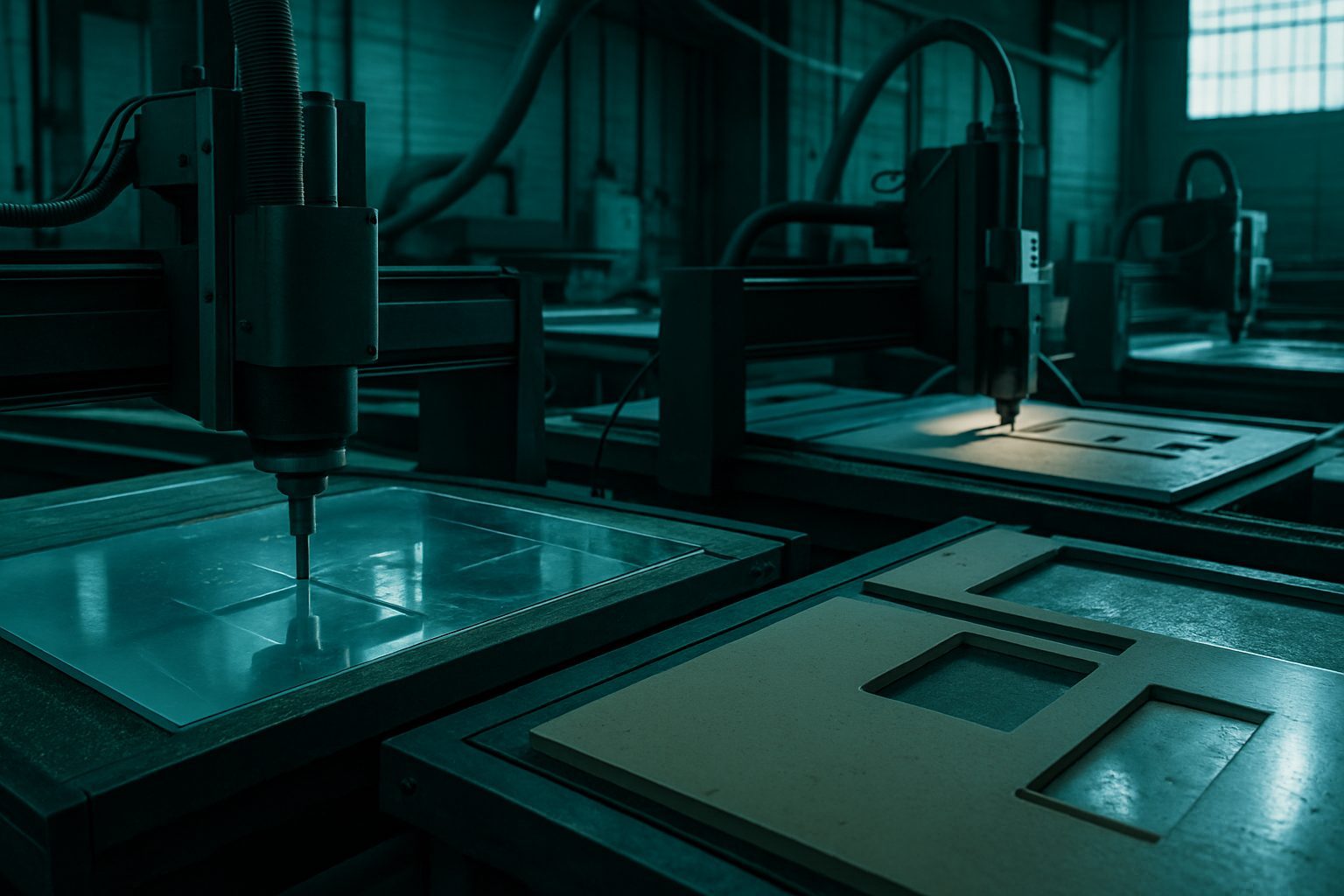
We run CNC machines with sharp, well-cooled bits to avoid melting or frosting the acrylic. Every sheet is masked until the last operation to keep Highveld dust off. After profiling, we shift to soft pads and controlled polish, often with domestic brand compounds that work in our humidity. Polished faces get a handoff note, so your team knows which side is intended for show and which can sit against a gasket or clamp.

In our Germiston bay, the operator prefers a simple, written spec, nothing lost in a WhatsApp chain. Once the path is set, we nest the parts for efficient use. Each order gets a close-out summary so your workshop team knows exactly what arrives and where it fits in the process. For a machines list and material specs, see our machines and finishes pages.

Short example: A retail display from Mbombela

A supplier in Mbombela needed 60 clear acrylic panels for a storefront. They emailed a plain PDF with all measurements, labelled faces that would be customer-facing, and flagged key deadlines. We checked if their power supply could support our polish gear on install day, turns out the mall had a scheduled maintenance, which would have stranded the crew. With that warning, the team bumped the install to the following week, avoiding the scramble and chatter that usually follows a missed window.

By clarifying the constraint upfront, the team avoided a rush fee, a second trip, and a lot of irritated messages.

What to send us before you email

Getting crisp, haze-free results starts with a clear brief. If your drawing is a photo, scan, or quick CAD export, make sure edges and face orientation are marked. List out which faces need to be crystal clear and which sides sit against frames or hardware. Note any allergies to polish compounds or requests for anti-static handling, Cape Town labs sometimes need this. If you have a tight fit with other parts, flag the tolerances, not just overall size.

The list below covers our usual ask before quoting or cutting. The more you clarify upfront, the fewer back-and-forths later.

Pitfalls and what to check twice

Most problems come from fuzzy specs or assuming all acrylic is the same. Thin, recycled sheet scratches easily and will not polish up to true clarity. If your file has mismatched measurements or a missing side view, it's a headache to match the intent. Some shops assume we can fix a bad cut with just more polish, that's seldom true. Over-polishing can round corners or create its own haze if the operator's not alert.

If you want a step-by-step or a check-in on your drawings, send a message through our contact form and mention Clear acrylic without haze. For related topics, see finishing after the cut or read how we deal with tool life in coastal humidity. Every job is different, and the best results come from talking out the site conditions before spindle hours begin.

Talk to Cut2Shape

Our contact form · Sunnyrock nest floor