See how Prototype Cut Bay nesting options and fixture choices affect your job, from layout to handoff. Get answers matched to SA shop realities.
A common scenario in Joburg is working with sheets that have absorbed a bit of moisture overnight, especially after a Highveld thunderstorm. Before setting up for a prototype batch, our team runs a quick flatness check on each sheet using a reliable straight edge. If the sheet has a slight bow, we adjust the fixture plan to apply more hold-down near the edges or switch to a different vacuum pattern. This step stops the sheet from shifting mid-cut, which can ruin tolerance or cause the router to dig too deep.
One mistake we see is skipping this check, especially when the shop is rushing to beat a deadline after an outage or late material delivery. Taking five minutes to confirm sheet stability saves hours of patching or re-cutting later. We always recommend building this check into your own prep, especially when moving between humid coastal and drier inland conditions.
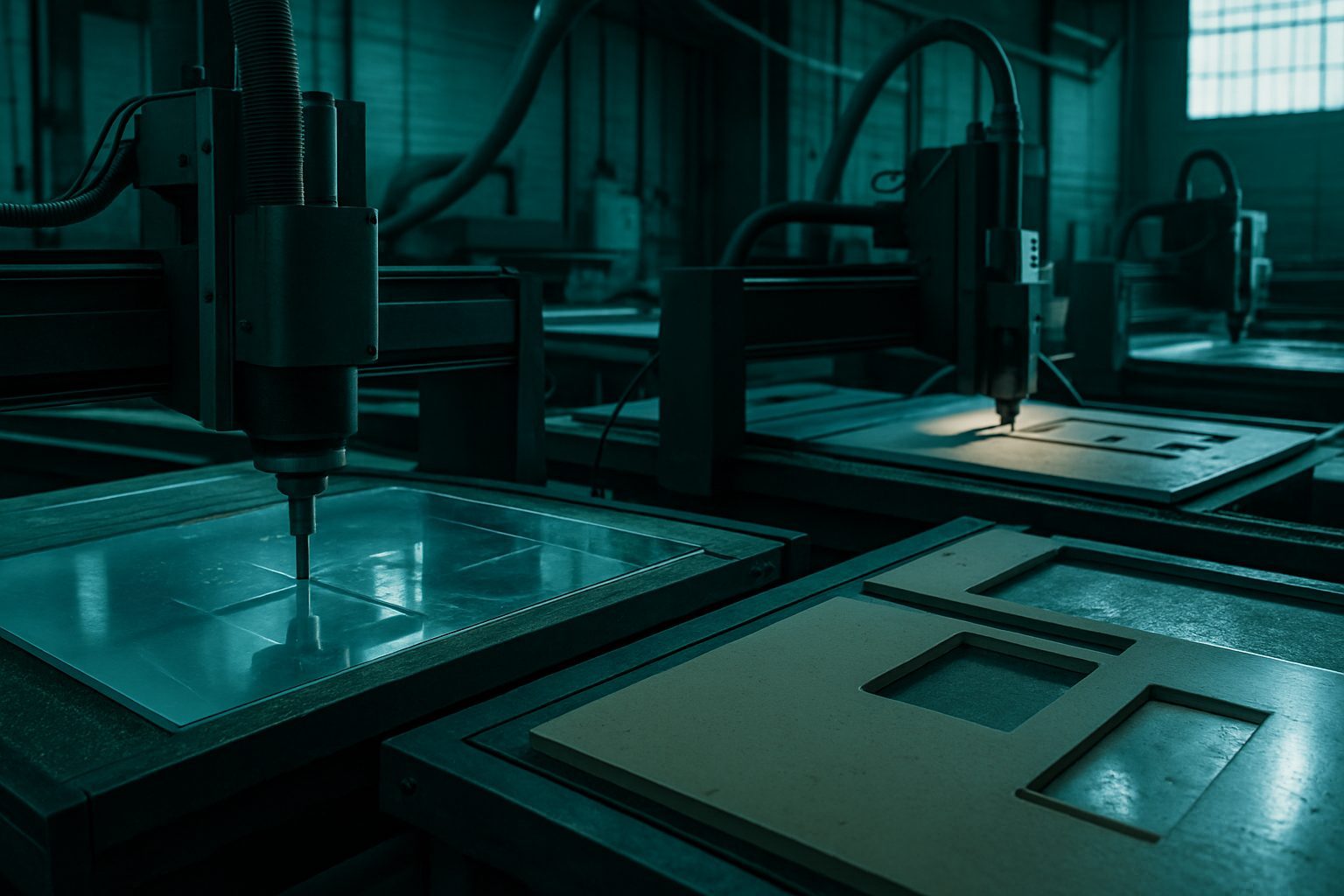
Nesting for Prototype Cut Bay is all about arranging parts on your sheet materials so nothing goes to waste, and fixtures keep everything stable as the machine does its work. This matters whether you’re running a small batch for an artisan in Durban or fitting out a whole production run in an East Rand factory. The layout and fixturing decide whether your parts arrive clean, with no double handling or extra deburring before the next stage. We use SA materials, and the nesting plans take local sheet sizes, transport between provinces, and real shop tolerances into account. This means fewer surprises with fit or finish when your parts land on your bench.
Prototype Cut Bay nesting and fixture advice brings the most value to shops and teams who want their cut parts to land ready for assembly, painting or further ops, with minimal rework. It suits fabricators in Bloemfontein, engineers in Gqeberha, and product developers in Gauteng who are working on short runs, proofs or specials. If you have shifting constraints like tight sheet supply, offcuts from a previous job, or a need to split a load over two trucks, we match the nesting approach to those details. However, if your parts will be bent or processed somewhere else first, or you always need a specific grain or face orientation, let us know upfront, as different fixture setups might be required.
On the floor, our process starts with your drawing or sample in hand. We ask upfront about any constraints that could affect the first run, such as power cuts, delivery delays, or even local workshop humidity. The operator checks how many components will fit on a standard 2500 mm x 1250 mm sheet, then selects fixtures that suit the material, anything from vacuum pads for foam to clamps for MDF. Each cut is planned with offcuts and swarf removal in mind, making clean-up straightforward. In Germiston, we see different grain directions and tolerances than shops in Cape Town, so we flag those differences early. Before we book spindle time, we inspect likely fixture and tool marks to avoid surprises. This method helps SA teams spend less time on rework and ensures a smoother fit during assembly.
A midsize shopfitter in Polokwane needed three display units using leftover marine plywood and fresh MDF. They emailed photos and rough dimensions. We replied with two nesting plans: one laid out for minimum waste using their actual offcuts, and one for best tool access with standard fixings. The shop chose the lower waste path, knowing local paint would cover minor fixture marks. The parts arrived labelled, tightly nested, and with clean edges, ready for dry assembly before the electrician arrived. The feedback? Less sweeping up, and no late-night patch jobs, just straight into finishing and handoff.
To save back-and-forth and keep things practical, gather a few essentials before contacting us. We recommend at least the following:
Skipping the constraint step is the fastest way to end up with a part that fits nowhere. Choosing a flashy nesting plan or overcomplicating fixtures often means wasted time or extra trips between bays. We keep a log of what went wrong on similar briefs, so you do not step in the same pothole. If you’re stuck between options, we usually suggest the path that requires the least specialist skill to finish and fits SA transport realities. Always send more context than you think we need: two photos and one honest timeline tell us more than a polished sales pack. This way, your job avoids delays from local sheet shortages or unplanned rework.
Verified Google reviews