
See the published specs and practical constraints for KerfCheck Lab. Fit the machine to your process, floor and transport reality, no PDF-hunting or guesswork needed.
One Gauteng manufacturer recently fitted a KerfCheck Lab into a shared fabrication space with limited floor clearance and a busy workflow. Before the move, their team measured the tightest passage and flagged a floor slope near the main bay. They checked the machine's service access spec and placed rubber mats in the sloped area to keep the Lab stable during operation. By testing their hoist and trolley with a full dummy load first, they avoided a scramble on delivery day.
This approach saved time and prevented a rebooking. If you are planning to move or install the Lab in a mixed-use or older building, always check the slope and surface for stability, not just door width. Overlooking a small step or uneven patch is a common cause of delays, but a quick walk-through with a tape measure and a loaded trolley can catch most issues before they cost you a day’s work.
Industries · Blog · Contact us.
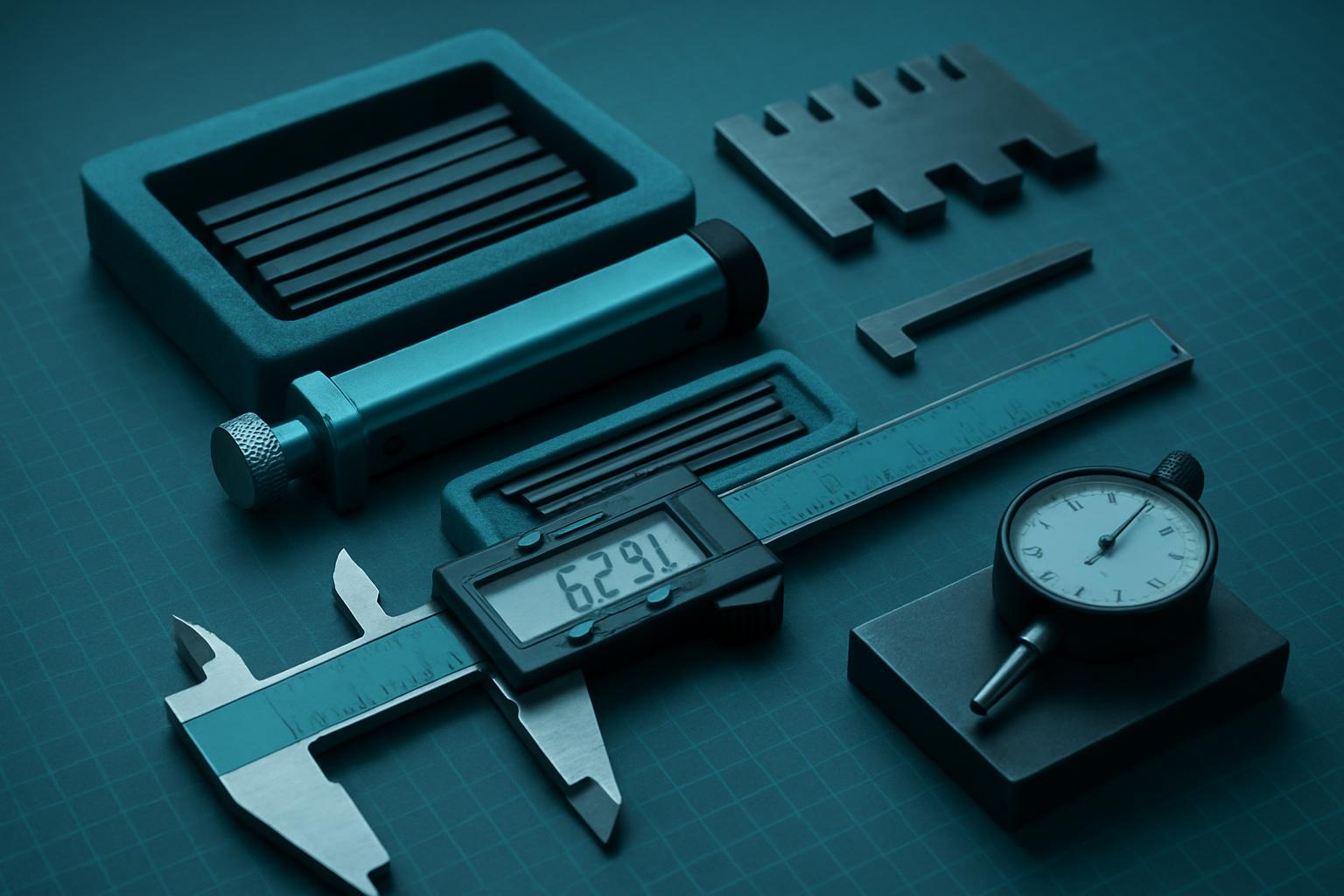
| Coupons | Per material |
|---|---|
| Log | PDF / CSV |
| Callipers | Digital kit |
| Storage | Lab rack |
| Support | Showroom demos |
Use our contact form for a tailored footprint.
KerfCheck Lab is a profiling and test platform for teams who need reliable, repeatable data on kerf, edge quality and tool selection. Built for South African floors, it is used in custom production, shop fitment, and technical R&D settings, where finish consistency, tool life, and batch accuracy matter more than showpiece speed. The Lab is not for fast-turn, high-volume cutting lines or basic contractors. It best serves makers, production supervisors, and QA leads who need to dial in specs before scale-up, or who build jigs and tests ahead of new runs.
If your floor has frequent power dips, or your crew rotates jobs without a process lead, KerfCheck Lab may not suit, setup and diagnostic work asks for a steady team and predictable volts. The footprint, weight and service path are localised for Gauteng and the coast, but check your doors and lifting gear if you plan to move it between bays or to a different city.
We provide all the critical specs for the KerfCheck Lab, including cable runs, breaker size, and true footprint. Every measurement is in metric, tailored for both Highveld and coastal conditions, so there is no need to convert or estimate. When moving a Lab unit between provinces like Rustenburg and Stellenbosch, road access, power supply, and even coastal humidity are factored in from the start. Most shops connect it to 230 V three-phase, but you can run lower-duty test cycles on single-phase if needed. If your area has occasional power cuts or outages, it is wise to allow for buffer cycles and use a UPS. The Lab is built for quick bench access and straightforward cleaning, and we keep spare parts ready in Germiston for times when deliveries are delayed.
Spec sheets for the Lab include the full working envelope, service clearance, and the minimum access width needed in older bays. You will also find finish limits, supported nesting formats, and the fixture compatibility noted in the KerfCheck Lab nesting & fixtures section.
A factory in Durban wants to confirm tool deflection on a new imported panel stock before committing to a full run. Their process owner checks the Lab specs and sees the machine supports 18 mm board up to 1200 mm wide, within their process range, but their hoist is limited to 650 kg. They measure the entry to their workroom and confirm they have 2.1 m of swing, just enough for the footprint noted. Power is via a three-phase tie-in available at their DB board. The foreman emails through their drawing set, panel data and a timing window. Our Germiston team checks constraints, proposes one fixture change based on local edge waste, and books a transport window that avoids the busy Friday slot. The factory receives an install and diagnostic plan tuned for their site, with one operator training morning and a backup cable included.
The key step was matching the physical and process constraints first, footprint, weight, tool spec, and access. Guesswork or skipping these checks often leads to rework, extra site visits, and delays when moving kit across provinces.
Before you send a message through our contact form for a quote or tech check, gather details specific to your site and flow. We answer with a practical sequence, not a generic product sheet. The more specific information you attach, the less time goes to back-and-forth queries. If you are not sure about a spec, send what you have and flag any uncertainty. Photos of the site or process space help us spot issues we would otherwise only learn on arrival.
We keep an internal log of past misses, so if your site or sector has a history of odd constraints (like municipal access limits or tricky floor gradients), mention these early.
Skipping the constraint check is the most frequent mistake, especially on footprint and lifting limits in older Gauteng or Bloemfontein sites. Another oversight is assuming that a single-phase supply will run the Lab at full duty; most production cycles need three-phase stability. Over-estimating floor flatness or missing a step at the entry has cost a few teams extra site calls and headaches. Not every fix can be made with a cable run and a level, flag anything unusual.
We do not push for highest spec or shiniest option. We match the Lab’s fit to your needs, site and operator skill. If you need help weighing up the finish, nesting or service path, see our Machines and Finishes pages, or email for no-nonsense advice. Forward any odd constraints or failed past installs, and we will share what has worked (or failed) for similar workshops elsewhere in the country.
Verified Google reviews
